Inquiry
Form loading...

Why Is Auto Filter Important for Global Buyers?

Global buyers rarely see the full journey behind an Auto Filter. They see a product page, a price, and a delivery promise. Yet performance begins much earlier, with material selection, testing, packaging, and supplier discipline.

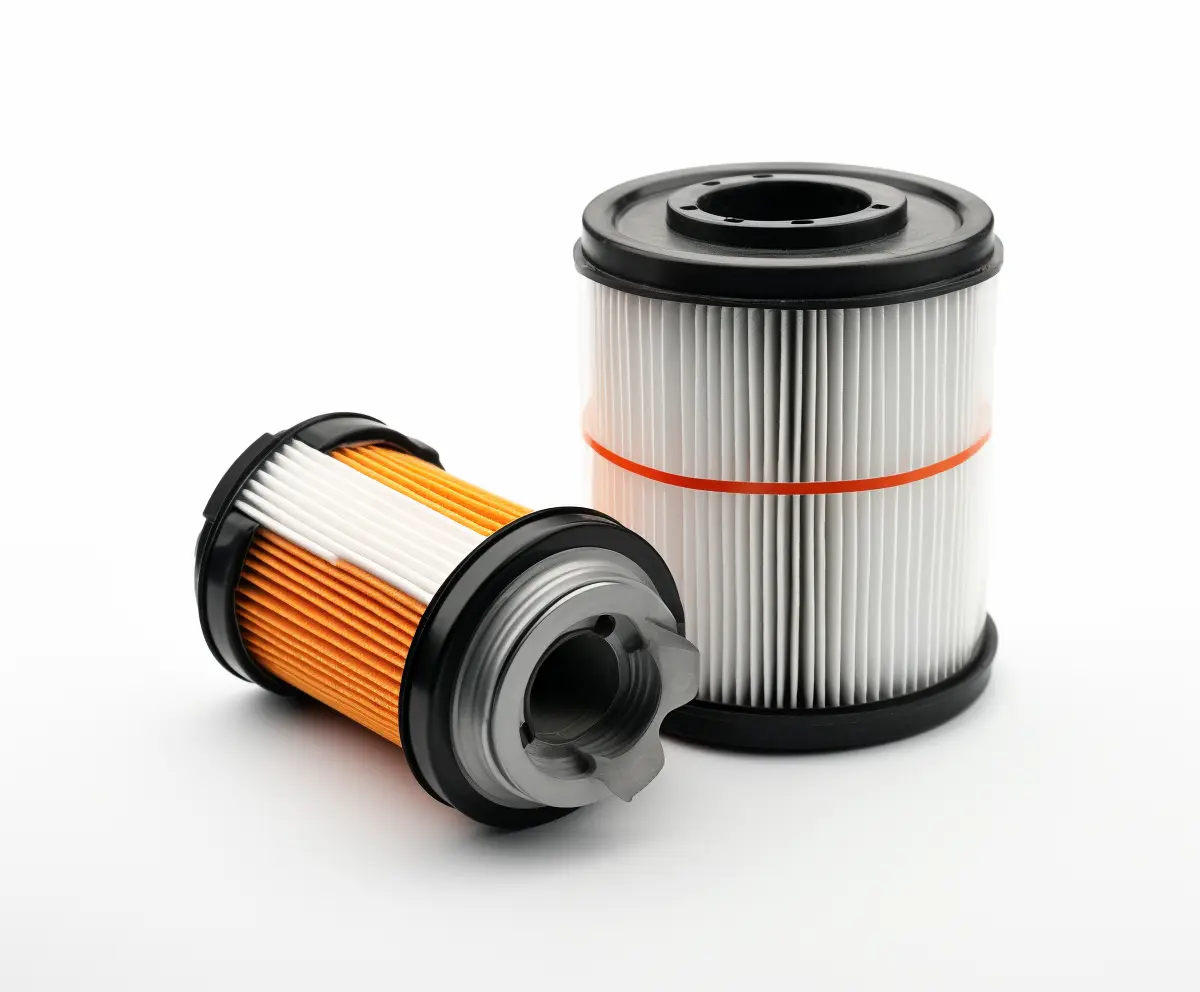
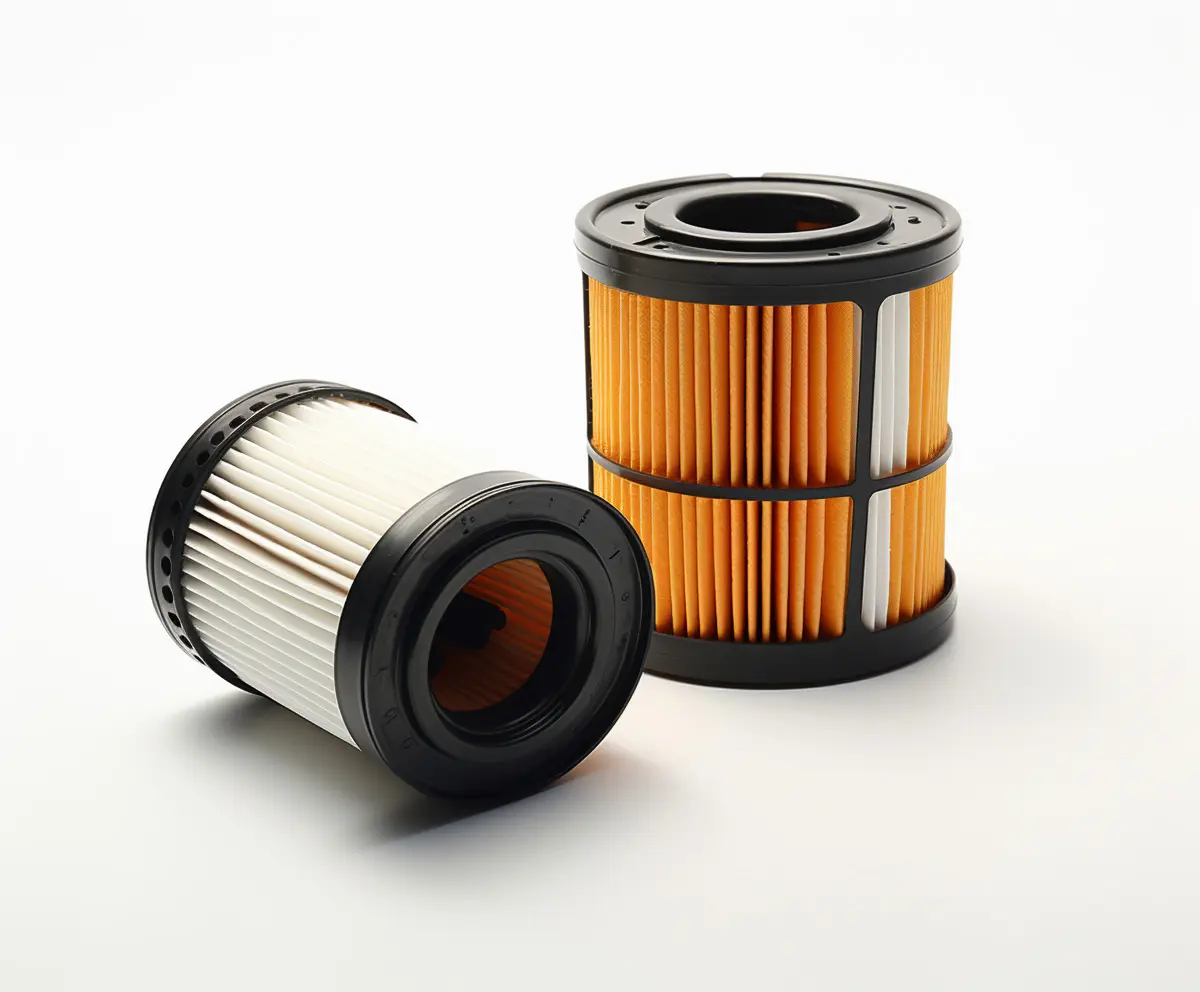
An Auto Filter protects engines from dust, metal particles, water, and oil contamination. Small particles can damage fuel injectors, turbochargers, and sensitive sensors. In dusty regions, poor filtration may appear as higher fuel use or shorter service intervals. In humid ports, weak packaging can allow moisture to compromise filter media before installation. These details matter across borders.

Automotive filtration specialist Mark Brant has expressed a practical industry principle: “Filtration is protection, not decoration.” The statement is simple, but global purchasing decisions are rarely simple. Buyers must review efficiency ratings, pressure-drop data, sealing quality, material traceability, and compatibility with specific engine models. They should also request test records and inspect production consistency.

A low quotation may hide costly risks. It may reflect thinner media, weaker adhesives, or incomplete quality controls. However, expensive does not automatically mean reliable. This is where careful comparison becomes essential. International buyers need suppliers who explain limitations honestly, not sellers who promise perfect results.

Certification can support trust, but it cannot replace technical verification. Standards, laboratory reports, and sample inspections should work together. Even experienced buyers can miss a small specification difference. That deserves reflection. A dependable Auto Filter is not merely a replacement part; it is a measurable safeguard for equipment, operating budgets, and long-term supplier relationships.

Why Is Auto Filter Important for Global Buyers?

What Is an Auto Filter and How Does It Work?

An auto filter is a filtration unit that cleans fluid with limited manual intervention. It usually contains a screen, control valve, pressure sensors, and a flushing mechanism. Water enters the housing, while suspended particles collect on the filter surface. When pressure rises beyond a set point, the controller starts a backwash cycle. Clean water then reverses through the screen and carries debris to a drain.

The process can be automatic or semi-automatic. Some systems use differential pressure; others rely on time settings, flow changes, or both. This distinction matters for global buyers. A timer alone may waste water during low-load periods. A pressure sensor can respond more precisely, but it needs proper calibration and maintenance. The term “auto filter” is not perfectly standardized. Buyers should check filtration accuracy, flow rate, pressure limits, cleaning duration, and control requirements.

The need is growing. The WHO and UNICEF Joint Monitoring Programme reported that 2.2 billion people lacked safely managed drinking water in 2022. UN-Water’s World Water Development Report 2024 also projects global water demand could increase by 20–30% by 2050. These figures show why reliable filtration supports water efficiency and equipment protection. In practical testing, buyers should inspect the first flush, measure pressure before and after filtration, and review spare-part access. A polished specification can still hide weak field performance. That deserves attention.

Why Is Auto Filter Important for Global Buyers? - What Is an Auto Filter and How Does It Work?

Auto Filter Type Main Contaminants Removed How It Works Typical Service Pattern* Key Buyer Quality Checks Why It Matters to Global Buyers
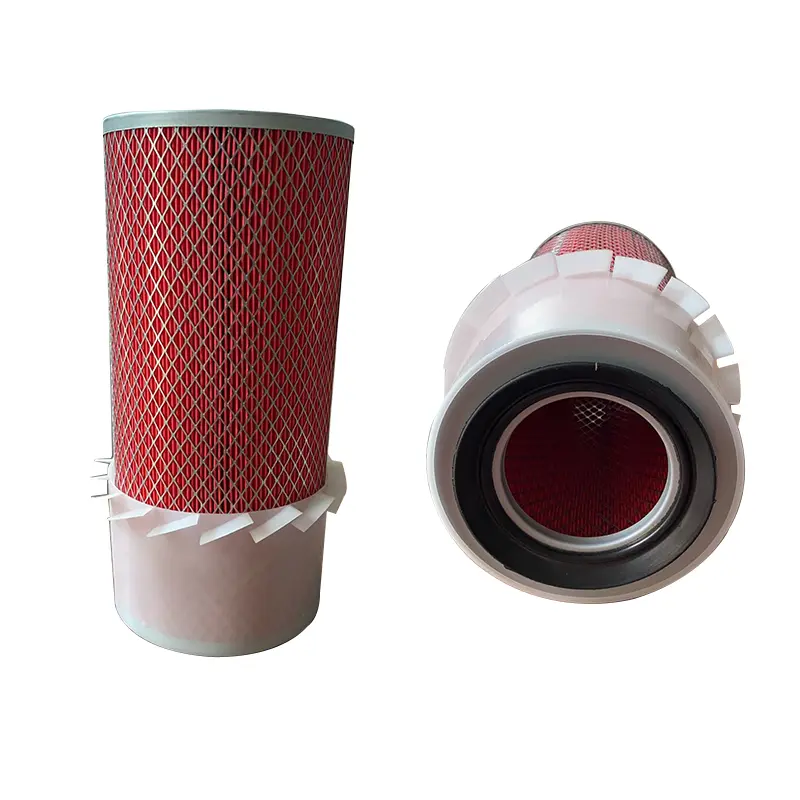
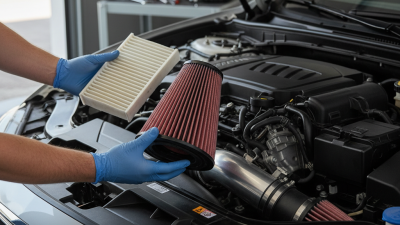
Engine Air Filter Dust, sand, pollen, soot and airborne debris Pleated filter media captures particles before air enters the engine intake system. Commonly inspected at routine service; replacement often falls within approximately 15,000–30,000 km, depending on vehicle and operating conditions. Airflow restriction, filtration efficiency, seal integrity, pleat quality, dimensions and resistance to vibration. Vehicles used in dusty, sandy or polluted regions require stronger dust-loading performance and reliable sealing.
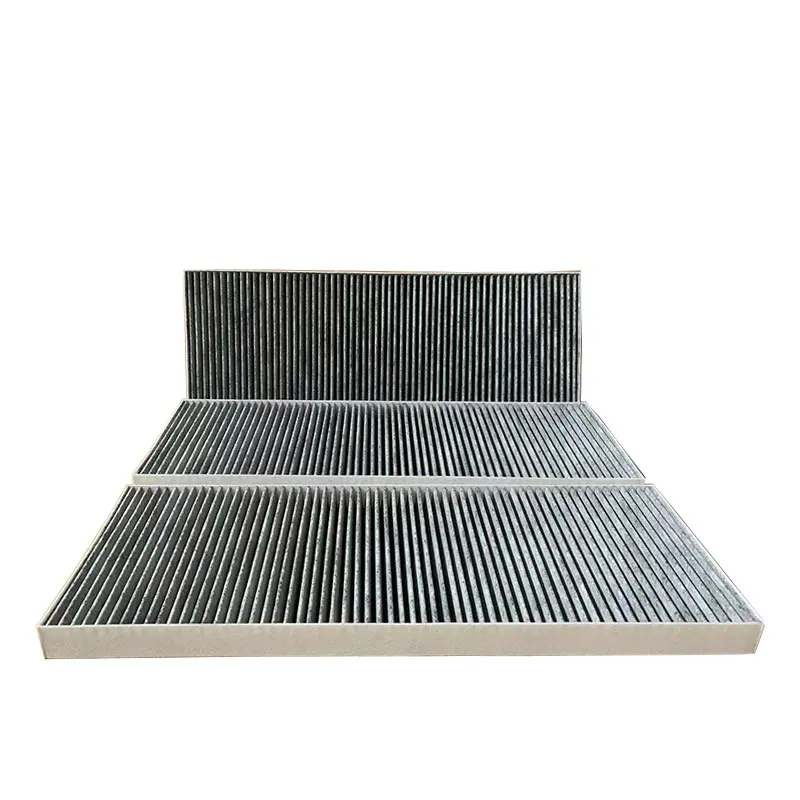
Cabin Air Filter Dust, pollen, road particles and, for activated-carbon versions, selected odors and gases Filter layers trap particles as outside or recirculated air passes through the vehicle ventilation system. Typically checked annually or around 15,000–30,000 km; severe traffic and dusty environments may shorten the interval. Particle filtration, odor-control material, airflow, moisture resistance, fit and frame rigidity. Climate, air pollution and consumer expectations differ by market, so filter media and specifications should match local conditions.
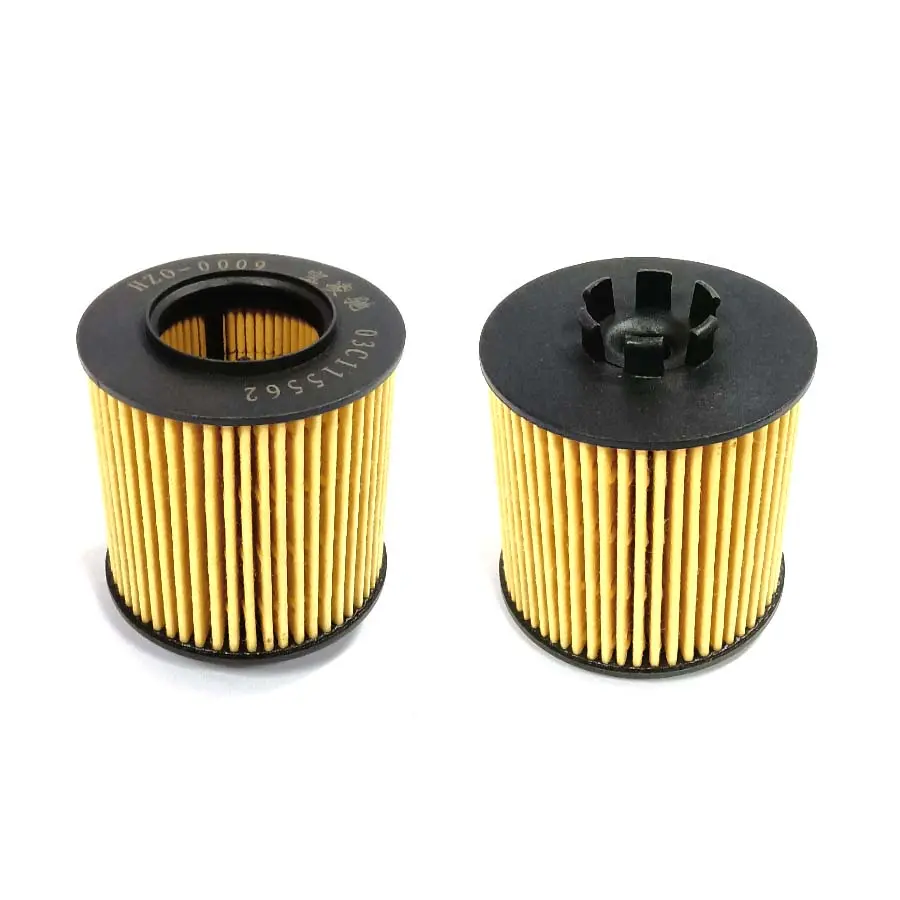
Engine Oil Filter Metal wear particles, carbon deposits, dust and sludge-related contaminants A pressure-driven filter element cleans circulating engine oil while a bypass valve helps maintain oil flow when restriction rises. Normally replaced with the engine oil during the vehicle manufacturer’s recommended oil-service interval. Filtration performance, pressure drop, burst strength, anti-drainback valve, bypass-valve setting and gasket quality. Different engine designs and oil-service practices require accurate application data and consistent production quality.
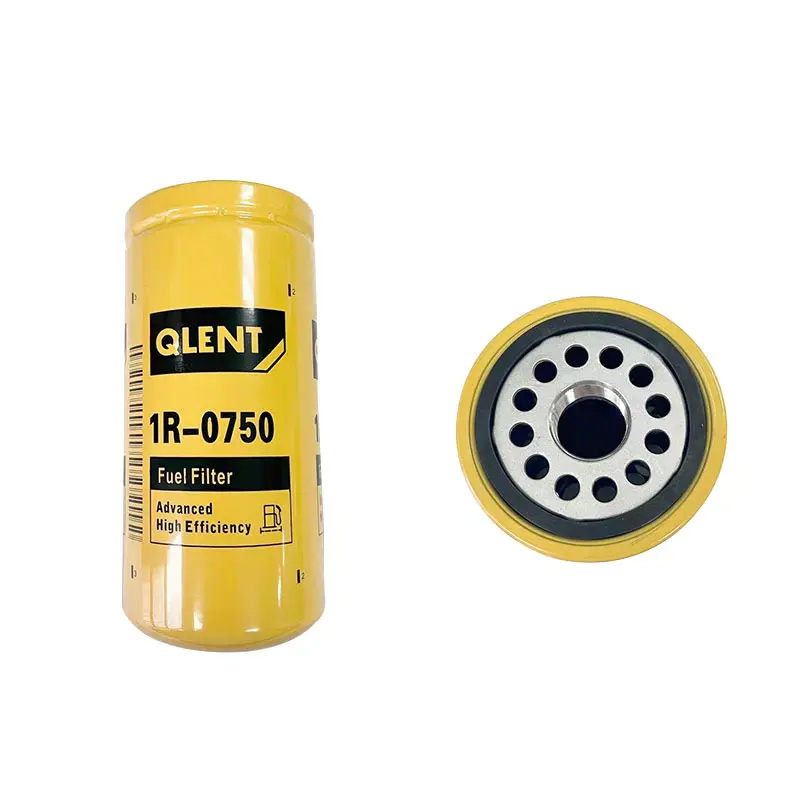
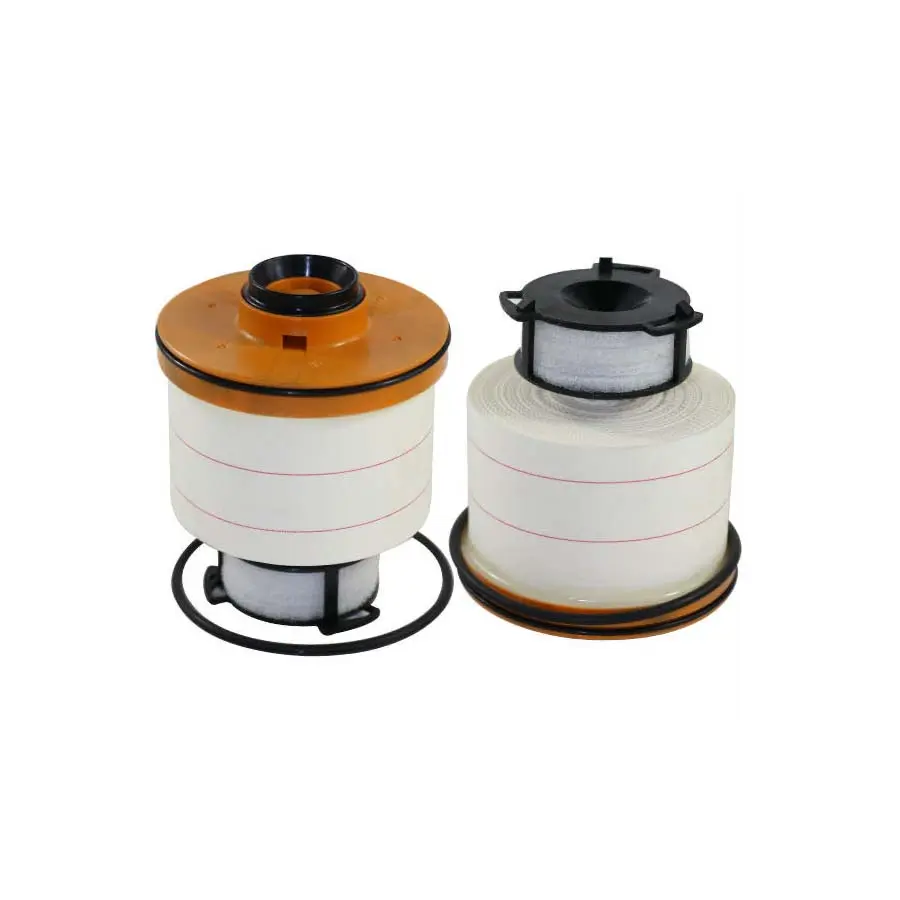
Fuel Filter Rust, dirt, sediment and, in some systems, water in fuel Filter media separates solid contaminants from fuel before it reaches the pump and injectors; some designs also separate water. Often replaced within approximately 30,000–60,000 km, but the correct interval varies considerably by fuel system and vehicle. Particle retention, water separation where applicable, fuel compatibility, pressure resistance and leak prevention. Fuel quality and storage conditions vary internationally, making contamination protection and material compatibility especially important.
Transmission Filter Clutch material, metal particles, wear debris and deposits in transmission fluid The filter removes particles from transmission fluid before the fluid returns to hydraulic controls and lubricated components. For serviceable units, inspection or replacement is commonly associated with transmission-fluid service, often around 60,000–100,000 km; designs differ. Fluid compatibility, sealing, flow capacity, dimensional accuracy, magnetic components and resistance to heat. Automatic, continuously variable and dual-clutch transmissions may use different filter designs and service requirements.
Hydraulic or Power-Steering Filter Fine wear particles, dirt and fluid-system debris The filter captures contaminants in hydraulic fluid to protect pumps, valves and actuators from abrasive wear. Service timing depends on the vehicle design; some systems use replaceable filters while others use integrated or maintenance-free components. Pressure rating, media compatibility, flow capacity, cleanability, sealing and resistance to fluid additives. Temperature, fluid formulation and component design vary by region, so technical matching is essential before sourcing.

*Service patterns are general industry ranges, not universal instructions. Buyers should confirm the exact interval, dimensions and performance requirements for each vehicle application.
Which Industries and Systems Use Auto Filters?

Auto filters appear in many industrial systems, but their duties differ by process.

They remove particles automatically when pressure rises or a programmed cycle begins. This reduces manual cleaning and helps equipment maintain a stable flow. The filter may use a screen, mesh, cartridge, or rotating element. Small details matter. A wet environment needs corrosion-resistant materials, while dry air systems need low-pressure operation. Field service records often reveal one problem: buyers select capacity from average flow, not peak demand. This mistake can shorten service life.

In water treatment, auto filters protect pumps, membranes, irrigation lines, and cooling circuits. Municipal and commercial buildings use them in HVAC loops and make-up water systems. Food and beverage plants filter process water, wash water, and compressed air.

Pharmaceutical facilities require tighter control of particles and cleaning procedures. Agricultural operations use automatic screens before drip irrigation networks. Mining and metalworking systems often filter dirty water or hydraulic oil. Compressed-air installations use automatic separators to remove condensate and solid debris.

Each industry sets different limits for pressure, temperature, hygiene, and allowable contamination.

Global buyers should examine the complete system, not only the filter body.

Ask about flow range, particle size, pressure loss, drain method, sensor accuracy, and replacement parts. A differential-pressure switch can trigger cleaning before blockage becomes severe. A controller can connect the filter to alarms or scheduled maintenance.

However, automation does not correct poor installation. Incorrect pipe sizing, weak drainage, or unstable water quality can still cause failures. Technical drawings, test data, material certificates, and service instructions improve purchasing confidence.

One point deserves reflection: the cheapest filter may create higher labor and energy costs later.

Why Do Auto Filters Matter to Global Buyers?

Why Do Auto Filters Matter to Global Buyers?

Global buyers depend on auto filters to protect engines, passengers, and operating budgets. OICA reported 93.5 million motor vehicles produced worldwide in 2023. Every vehicle creates future demand for air, oil, fuel, and cabin filters. That demand is not only about replacement volume. Buyers must verify filtration efficiency, pressure loss, seal quality, dimensions, and service life across different vehicle systems.

A practical purchasing review should examine test methods, material consistency, and batch traceability. ISO 5011 provides a recognized method for testing engine air-cleaner performance. For oil filters, ISO 4548-12 evaluates filtration characteristics under controlled conditions. These standards help buyers compare technical claims more fairly. They also reduce uncertainty when products cross borders.

Small details matter. A weak gasket can cause leakage. Excessive pressure drop can reduce airflow and efficiency.

Vehicle longevity makes this issue more important. S&P Global Mobility reported that the average age of light vehicles in the United States reached 12.6 years in 2024. Older vehicles often require dependable maintenance parts for longer periods. However, a clean-looking filter can still perform poorly.

Buyers should request independent test records, inspection procedures, and clear replacement guidance. Price remains important, but the lowest quotation may hide inconsistent media or poor packaging. I have seen specifications appear complete while omitting pressure-drop data. That gap deserves attention. Reliable sourcing requires technical review, sample testing, and honest communication about limitations.

How Should Global Buyers Evaluate Auto Filter Suppliers?

Global buyers should evaluate auto filter suppliers through evidence, not polished promises. Ask for test reports showing filtration efficiency, flow rate, pressure loss, and service life. These figures should match your operating conditions, including fluid type, temperature, and contamination levels. A supplier with relevant engineering experience can explain why one filter design suits your system better than another.

Request production samples before placing a large order. Inspect the housing, seals, filter media, connection points, and labeling. Check whether the supplier uses documented quality controls at each manufacturing stage. Traceable batch numbers are valuable when a shipment performs differently in the field. Certifications also matter, but buyers should verify their scope and validity. A certificate alone proves little.

Communication reveals operational reliability. Measure response times, technical clarity, packaging standards, and willingness to discuss failures. Ask how the supplier handles dimensional changes, urgent replacements, and quality complaints. Compare total cost, not only the unit price. Shipping damage, inconsistent tolerances, and short service intervals can quickly erase an apparent saving. Some buyers overvalue low prices. That can be an expensive mistake.

Visit the factory when possible, or arrange a live production audit. Review inspection equipment and storage conditions. A clean warehouse is reassuring, but it does not replace performance data. Even experienced buyers can overlook compatibility details. Recheck assumptions with maintenance teams and actual operating records before approving the supplier.

What Are the Key Considerations for Installation and Maintenance?

Why Is Auto Filter Important for Global Buyers?

Installation quality often decides whether an automatic filter performs as promised. Confirm the airflow direction before securing the housing. A reversed element can reduce capture efficiency and raise pressure loss. Leave enough clearance for screen removal, actuator access, and safe inspection. The seal should compress evenly, without visible gaps. Small bypass leaks matter.

ISO 16890 classifies air filters by particulate size, helping buyers compare performance across markets. The WHO Global Air Quality Guidelines set an annual PM2.5 guideline of 5 µg/m³, showing why fine-particle control deserves careful attention. However, laboratory ratings cannot replace site testing. Dust loading, humidity, airflow variation, and installation errors change real results. That part is easy to underestimate.

Maintenance should combine differential-pressure readings with scheduled visual checks. Do not wait for a complete blockage. U.S. Department of Energy guidance reports that replacing dirty, clogged filters can reduce cooling-system energy use by 5% to 15%. Automatic cleaning cycles may extend service life, but they do not remove every risk. Inspect seals, sensors, drain paths, and control wiring. Record pressure trends monthly. If readings rise unexpectedly, investigate the cause before changing the element. A rushed replacement can hide a larger airflow problem. Mistakes happen. A practical commissioning test remains essential.

Why Is Auto Filter Important for Global Buyers?

Typical replacement intervals vary by vehicle, filter design, road conditions, climate, and manufacturer recommendations. The ranges below are practical planning benchmarks, not substitutes for the vehicle service manual.

Reference basis: commonly published automotive service intervals and standard maintenance practices. Severe dust, traffic, humidity, and off-road use may require more frequent inspection or replacement.

Key Installation and Maintenance Considerations

  • Confirm vehicle compatibility, dimensions, airflow direction, sealing surfaces, and filtration specifications before installation.
  • Install the filter in the correct orientation and ensure that the housing is clean, closed, and free from air or fluid leaks.
  • Inspect filters more frequently in dusty, polluted, humid, or high-traffic operating environments.
  • Use the vehicle manufacturer’s service schedule when it differs from the planning ranges shown in the chart.