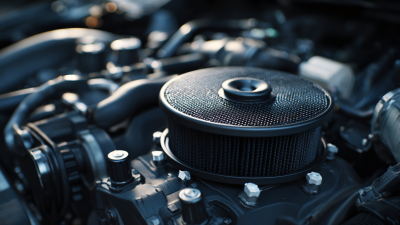
How to Choose the Right Engine Filter for Your Vehicle?
Choosing the right engine filter is crucial for vehicle performance. The engine filter plays a vital role in maintaining optimal engine health. According to a report by the Automotive Aftermarket Suppliers Association, about 20% of vehicle maintenance issues arise from improper filter selection or maintenance.
An effective engine filter prevents contaminants from entering the engine. This can enhance fuel efficiency and prolong the life of your vehicle. A recent study highlighted that vehicles with clean filters performed 10% better in fuel consumption. However, many car owners overlook this aspect, leading to potential long-term damage.
Selecting an engine filter requires understanding your vehicle’s specific needs. Not all filters are created equal. Different models and makes demand unique specifications. Relying solely on generic filters can result in subpar engine performance. Always consult manufacturer guidelines to ensure compatibility. The right choice can make a significant difference in efficiency and reliability.
Understanding the Different Types of Engine Filters Available
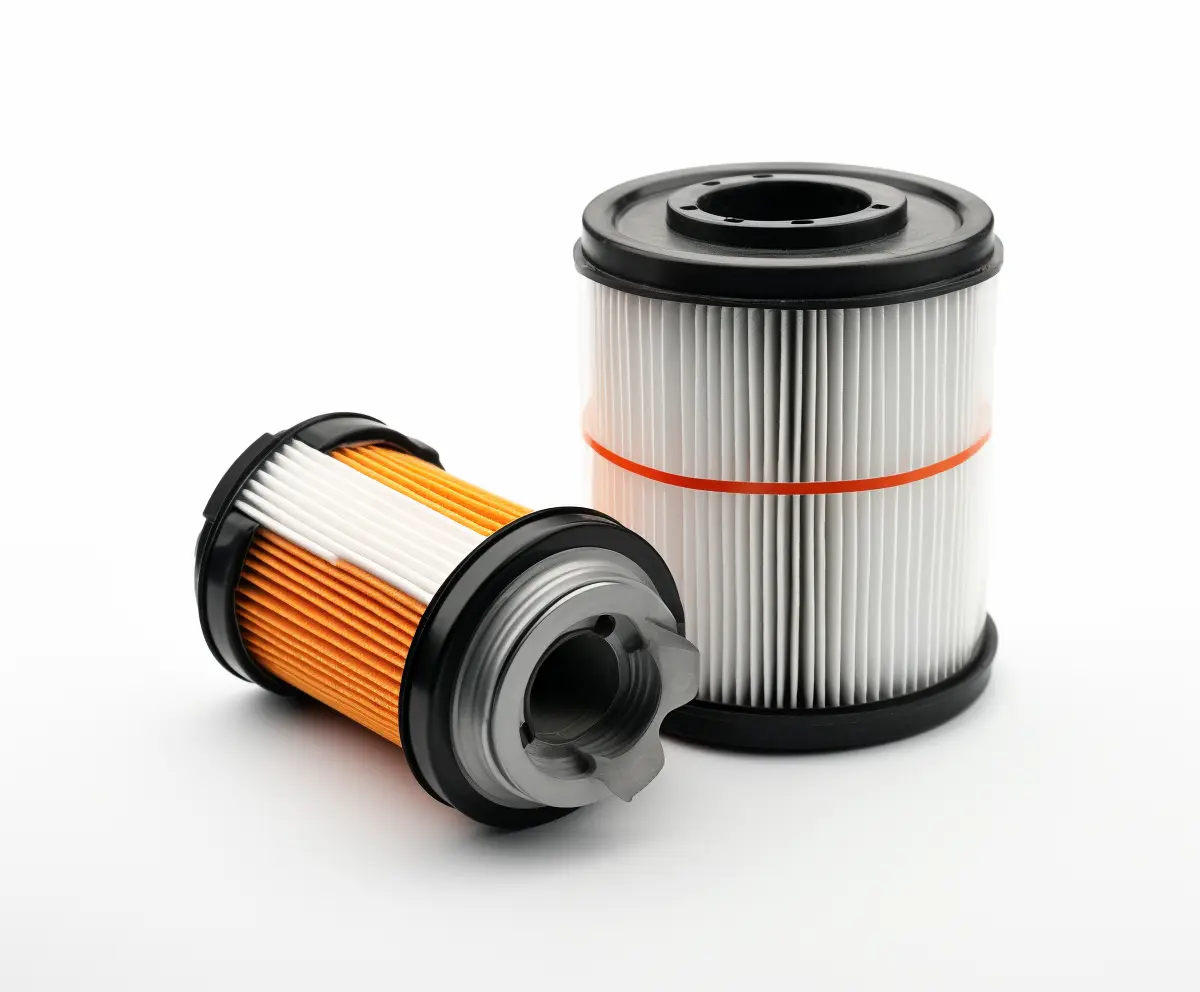
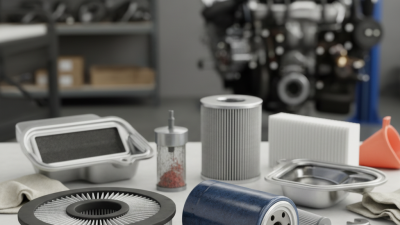
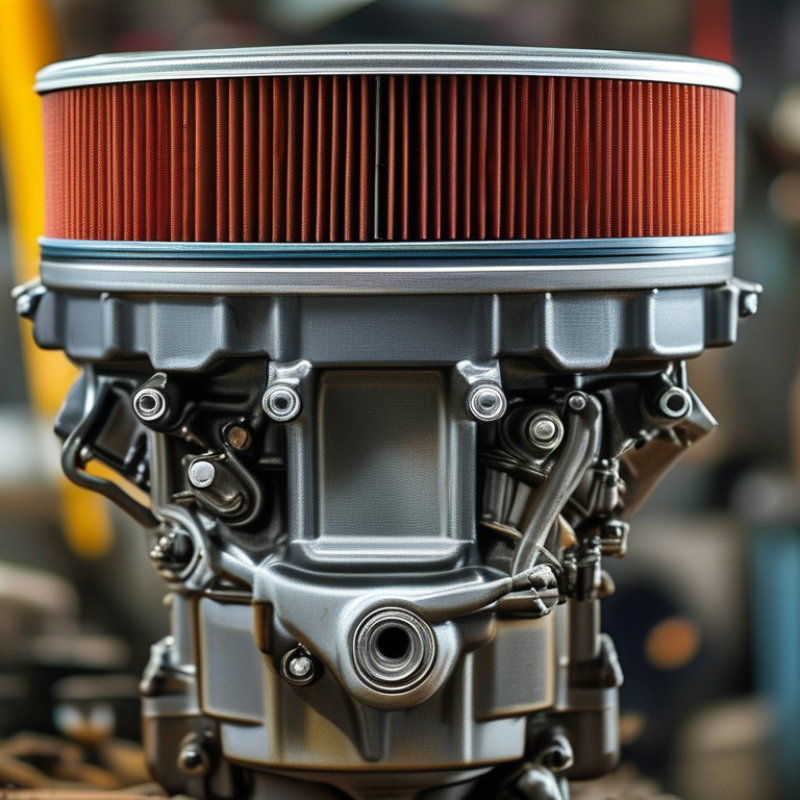
Choosing the right engine filter is vital for vehicle performance. Several types are available, including oil filters, air filters, and fuel filters. Each type plays a critical role in maintaining engine health.
Oil filters remove contaminants from engine oil. They help ensure clean oil circulates within the engine. Dirty oil can lead to engine wear and reduced lifespan. Regular replacement of the oil filter is essential to avoid potential engine issues.
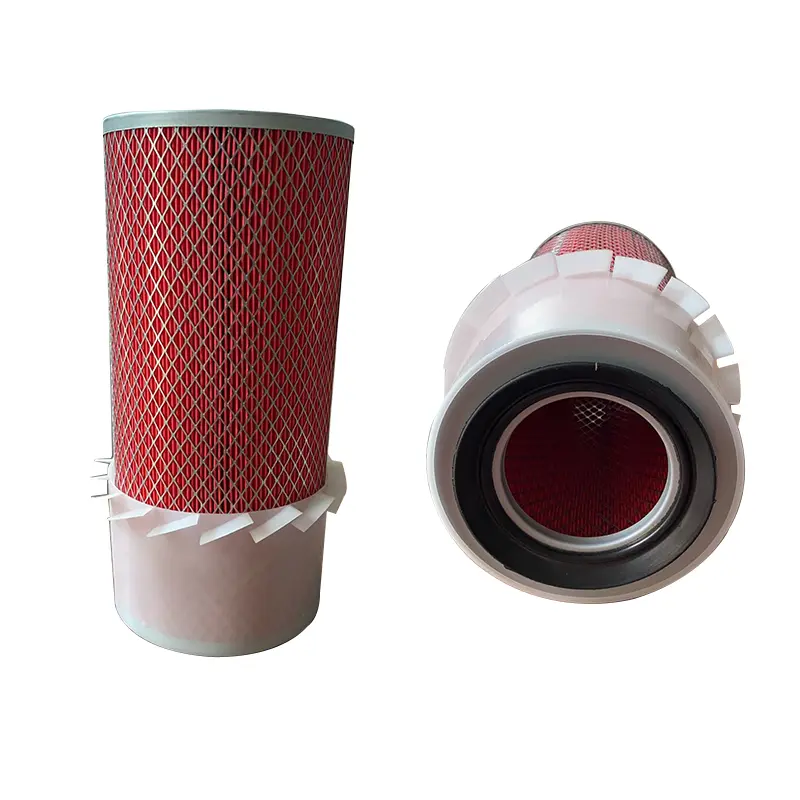
Air filters are equally important. They prevent dust and debris from entering the engine. Clean air is crucial for optimal combustion and performance. If an air filter is clogged, it can lead to decreased power and increased fuel consumption.
Fuel filters ensure only clean fuel reaches the engine. Contaminated fuel can cause serious engine problems. Many overlook this component, leading to costly repairs. Checking and replacing fuel filters regularly is a helpful preventive measure.
Each filter is different and requires specific attention to maximize vehicle efficiency.
Evaluating Filter Efficiency Ratings: MERV and ISO Standards Explained
When choosing an engine filter, understanding efficiency ratings is crucial. MERV (Minimum Efficiency Reporting Value) and ISO standards help gauge effectiveness. MERV ratings range from 1 to 20. Higher ratings indicate better filtration. An ISO rating, on the other hand, focuses on particle size efficiency. Knowing these ratings can guide vehicle owners in selecting the right filter.
Here’s a tip: always check the filter's specifications. Look for a balance between airflow and filtration efficiency. A filter that is too restrictive may reduce engine performance. On the flip side, a filter with a low MERV or ISO rating might let harmful particles through, compromising your engine's health.
Consider the environment where you drive. Dusty roads or urban pollution can demand higher filter efficiency. However, keep in mind that sometimes, extreme options may lead to unnecessary costs. Evaluate your vehicle's needs and filter lifespan before purchasing. Regular maintenance and timely filter changes can avoid bigger issues down the road.
Identifying Manufacturer Specifications: OEM vs. Aftermarket Filters
When selecting the right engine filter, understanding the difference between OEM and aftermarket filters is crucial. OEM filters are made by the vehicle manufacturer and typically meet specific quality standards. They guarantee a precise fit and performance. Many vehicle owners prefer OEM products due to their reliability and compatibility.
Aftermarket filters offer a cost-effective alternative. They may have different specifications and materials. It’s important to research their quality. Not all aftermarket products meet the same standards as OEM filters. Consider checking user reviews and expert opinions on aftermarket options.
Tips: Always refer to your vehicle's owner manual before purchasing. It often contains vital information about specifications. Look for filters that comply with industry standards for better performance. Consider your budget but prioritize quality. Quality can affect engine performance and longevity. Choose wisely to avoid potential engine issues.
Engine Filter Types and Their Market Demand
Recognizing Common Signs of Filter Wear and Replacement Needs
When it comes to engine filters, wear and tear can be subtle yet significant. Common signs that your filter needs attention include
strange noises from the engine. A clogged filter can force the engine to work harder, causing unusual sounds and vibrations. You might also notice
a drop in fuel efficiency. If your vehicle consumes more fuel than usual, the filter could be at fault.
Another indicator is a warning light on your dashboard. Many modern vehicles can detect filter issues and notify you promptly. If the filter is dirty, it may restrict airflow or reduce oil pressure. This could lead to more severe engine problems down the line.
Pay attention to these warning signals. Regular checks can save you from costly repairs later.
Physical inspection is also necessary. Replacing an engine filter often involves removing the old one. Look for dirt, debris, or discoloration. A clean filter usually appears white or light-colored. If it looks dark or clogged, it’s time for a replacement.
Engine filters play a crucial role in your vehicle's performance. When they wear out, the entire system can suffer. Be proactive in maintenance to ensure smooth driving.
Calculating Maintenance Costs: Long-term Benefits of Quality Engine Filters
When considering the long-term benefits of quality engine filters, it's essential to evaluate maintenance costs. A high-quality engine filter can reduce the frequency of repairs. Cheaper filters may seem appealing, but they often lead to greater expenses down the road. Consider this: the cost of regular repairs can add up quickly if engine filters do not perform well.
Investing in a quality filter improves engine performance. Better filtration means cleaner oil and air, which can extend engine life. This transition often leads to fewer breakdowns and minimal downtime. You save money on repairs and enjoy a smoother driving experience. It's crucial to analyze these factors over time, as the initial investment pays off through longevity and reliability.
However, not all filters are created equal. Some may claim superiority without any backing. Research is vital. You should consult trusted sources or mechanics to find out which filters genuinely meet quality standards. Balancing cost and quality requires mindfulness. Regular check-ups can also help ensure filters are performing optimally. Paying more upfront might seem daunting, but the peace of mind that comes with a well-maintained engine is invaluable.
How to Choose the Right Engine Filter for Your Vehicle? - Calculating Maintenance Costs: Long-term Benefits of Quality Engine Filters
| Filter Type |
Typical Cost ($) |
Maintenance Interval (Miles) |
Expected Lifespan (Years) |
Long-term Benefits |
| Oil Filter |
15 |
5,000 |
1 |
Enhances engine performance and longevity |
| Air Filter |
25 |
15,000 |
2 |
Improves fuel efficiency and engine power |
| Fuel Filter |
30 |
20,000 |
3 |
Prevents fuel system issues and enhances performance |
| Cabin Air Filter |
20 |
15,000 |
2 |
Enhances air quality in the vehicle cabin |
| Transmission Filter |
40 |
30,000 |
4 |
Maintains transmission fluid cleanliness |

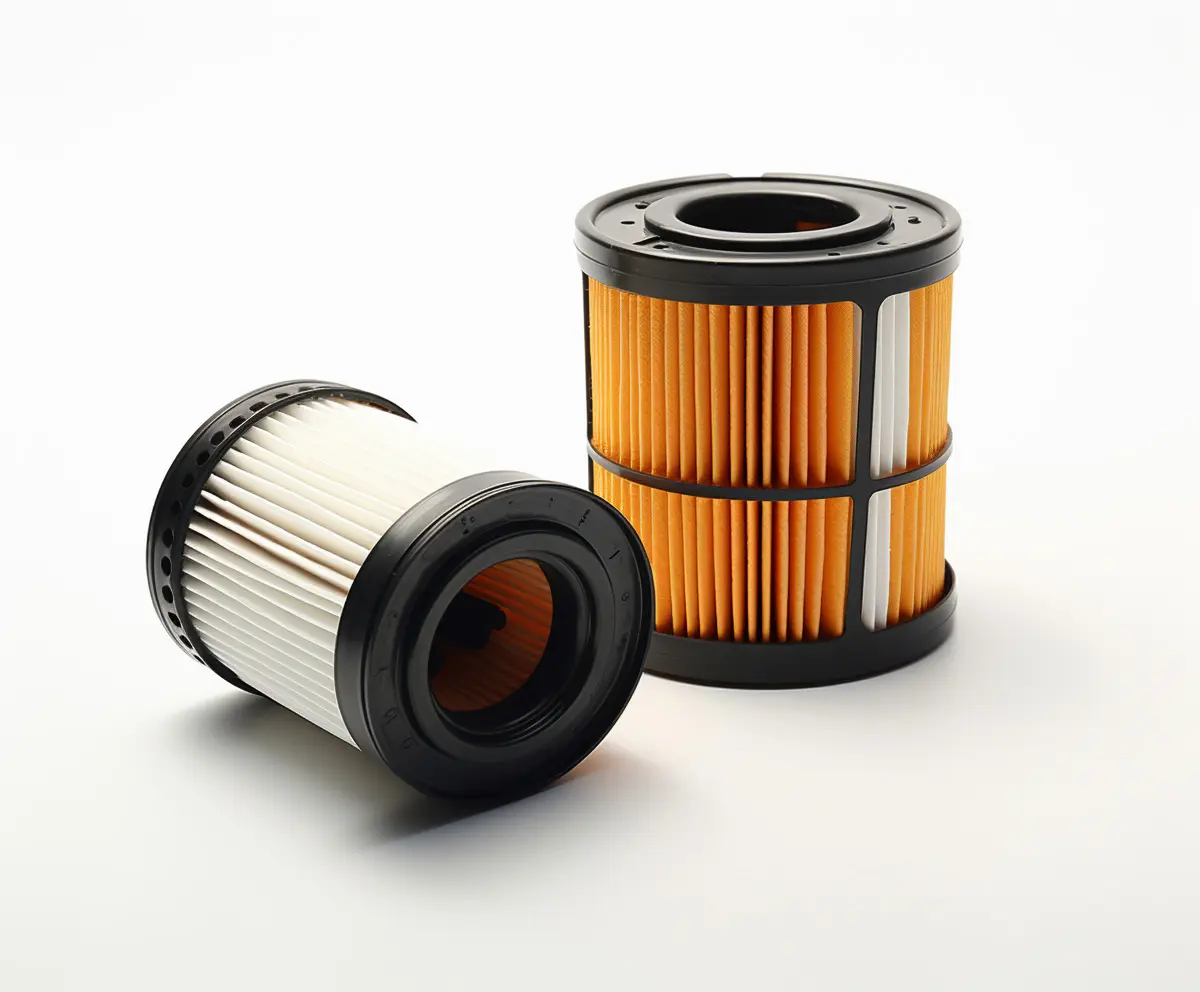 Products
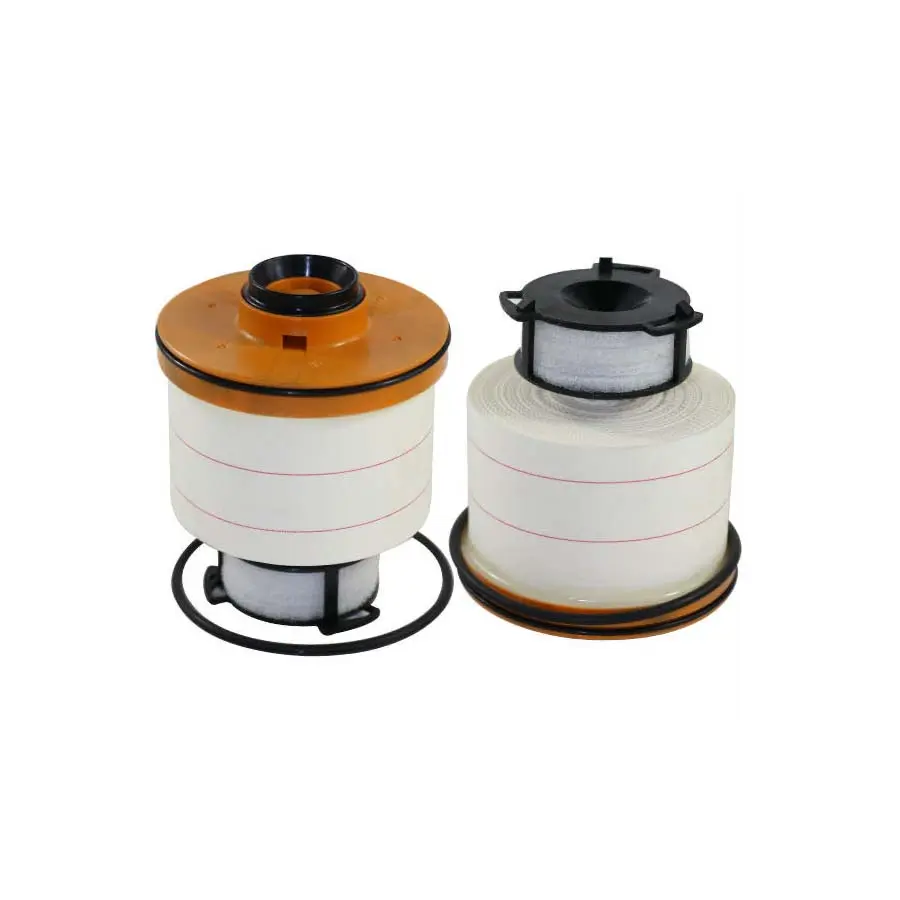 FUEL FILTER
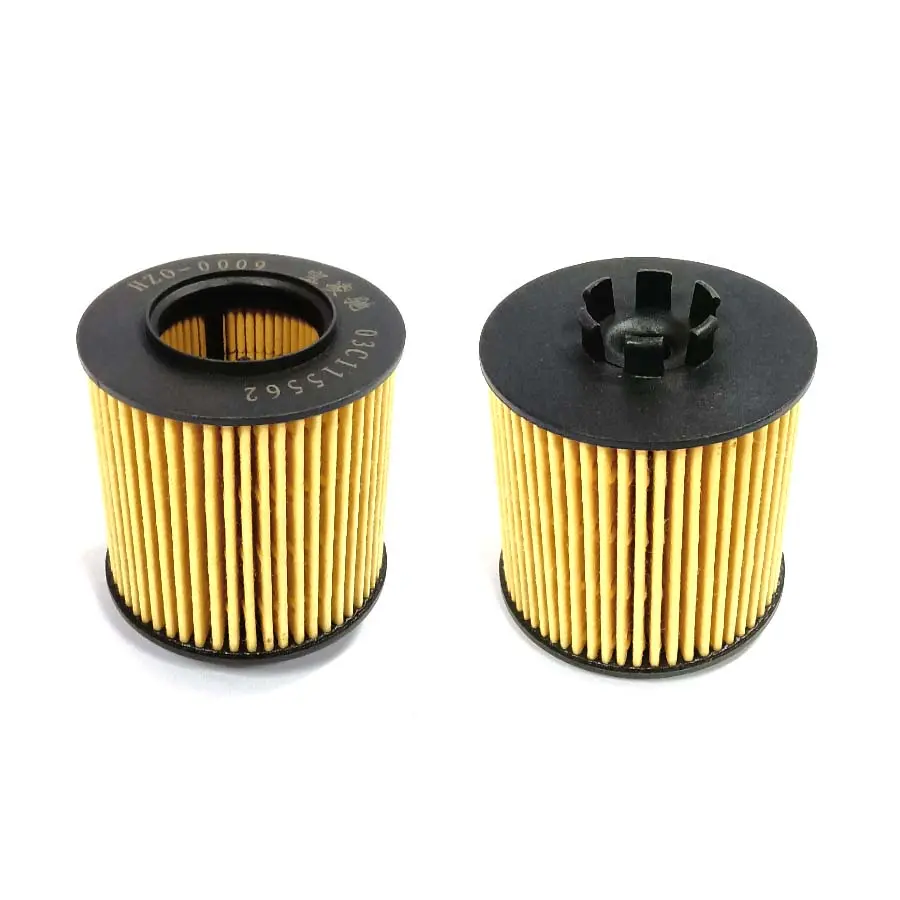 OIL ELEMENT FILTER
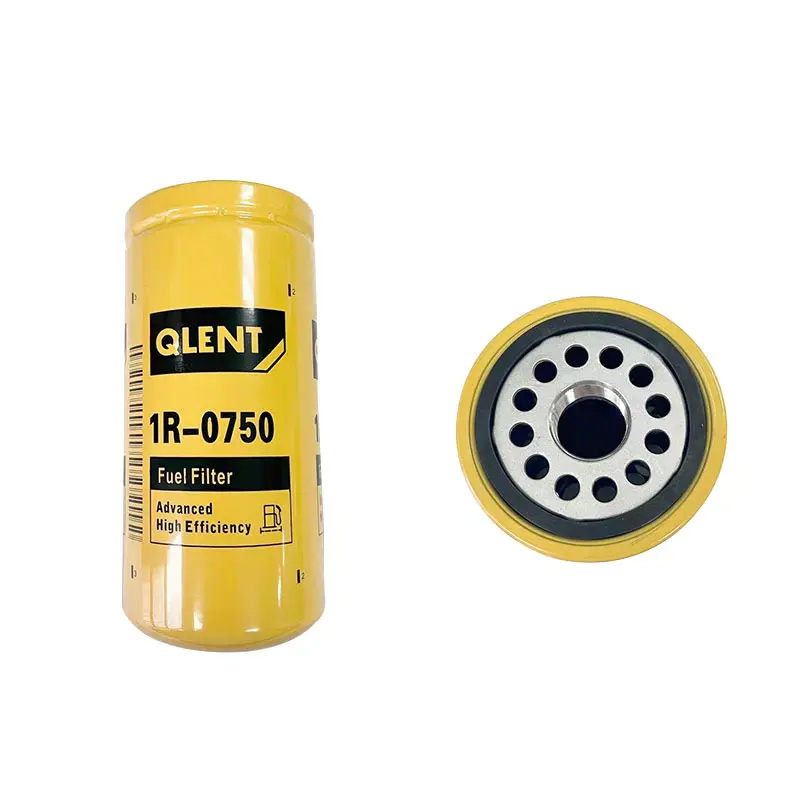 OIL FILTER
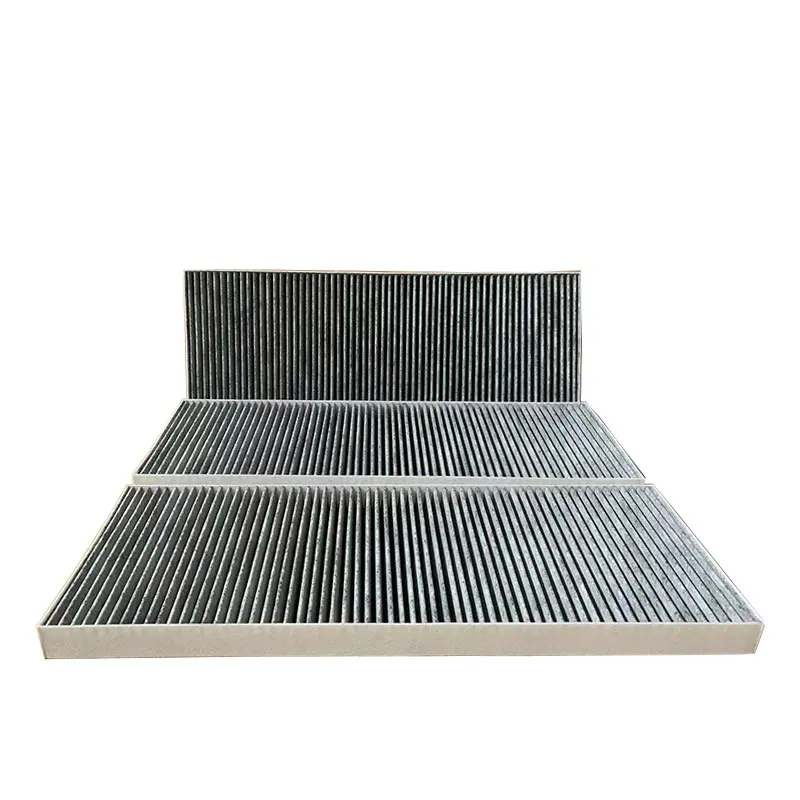 CABIN FILTER
 AIR FILTER