China’s engine-component supply chain is large, but size alone does not prove filter quality. Grand View Research estimates that the global automotive filters market will continue expanding through 2030, supported by vehicle growth, stricter emission controls, and longer maintenance expectations. MarketsandMarkets also identifies Asia-Pacific as a major production and consumption region. China remains central to this movement.
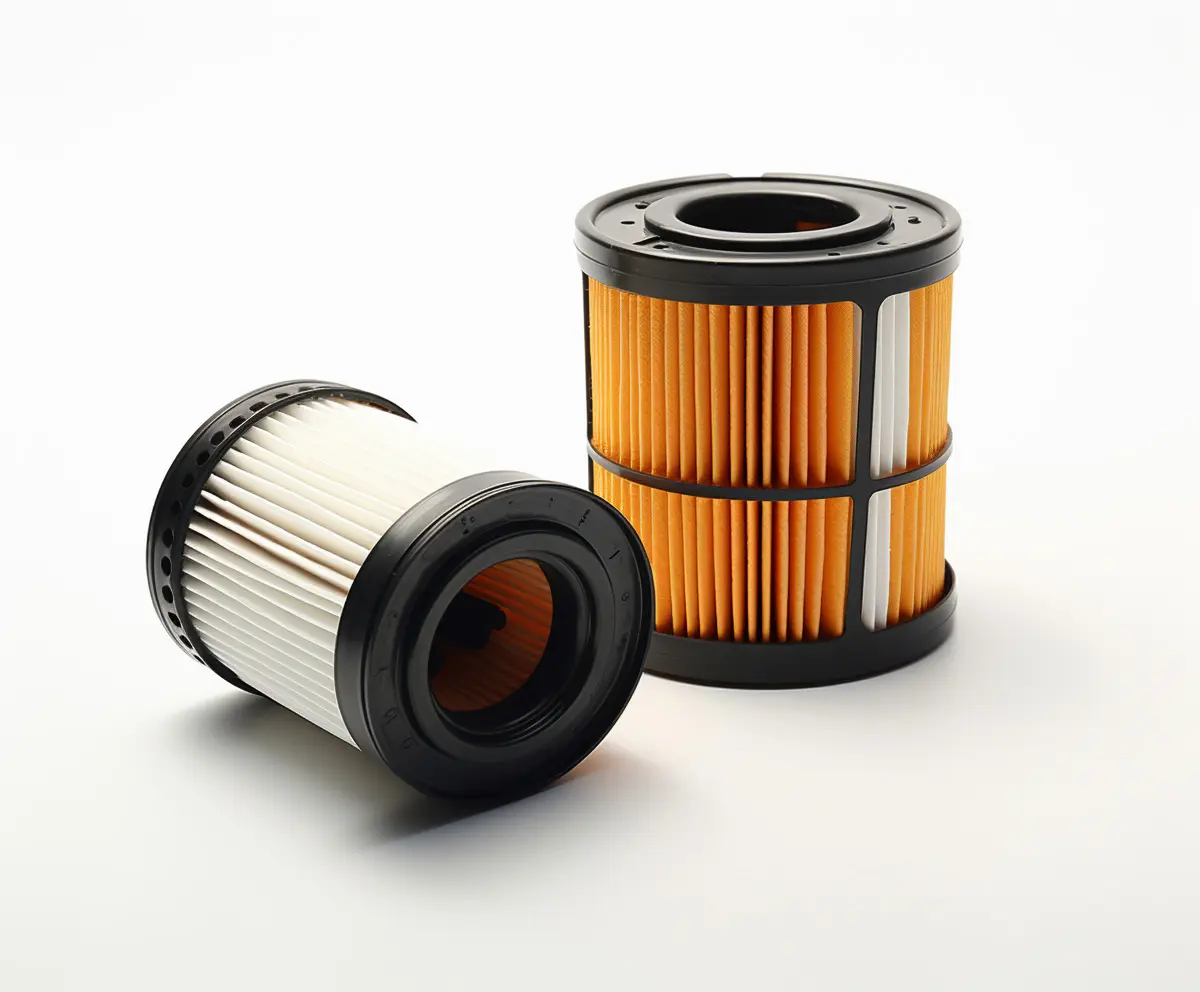
The practical question is narrower: which China Best Engine Accessories Filter manufacturers can deliver consistent filtration, stable materials, and traceable testing? A reliable supplier should show ISO 5011 air-filter results, ISO 4548 oil-filter testing, batch records, and clear micron-efficiency data. Buyers should inspect pleat spacing, gasket flexibility, adhesive coverage, and carton protection. A crushed corner can damage an otherwise excellent filter.
Filtration author David Pye wrote, “A filter is only effective when it is correctly selected and correctly used.” That principle still matters. Even a high-efficiency Engine Accessories Filter may fail when its dimensions, sealing pressure, or service interval are wrong. It sounds simple. It is often missed.
This guide compares Chinese manufacturers through product range, testing capability, factory experience, customization support, export reliability, and after-sales response. Reports provide useful market direction, but they do not replace factory audits or sample testing. No ranking is perfect. Supplier claims can also change. Therefore, the strongest shortlist should combine documented evidence, field feedback, and careful technical verification before purchase.
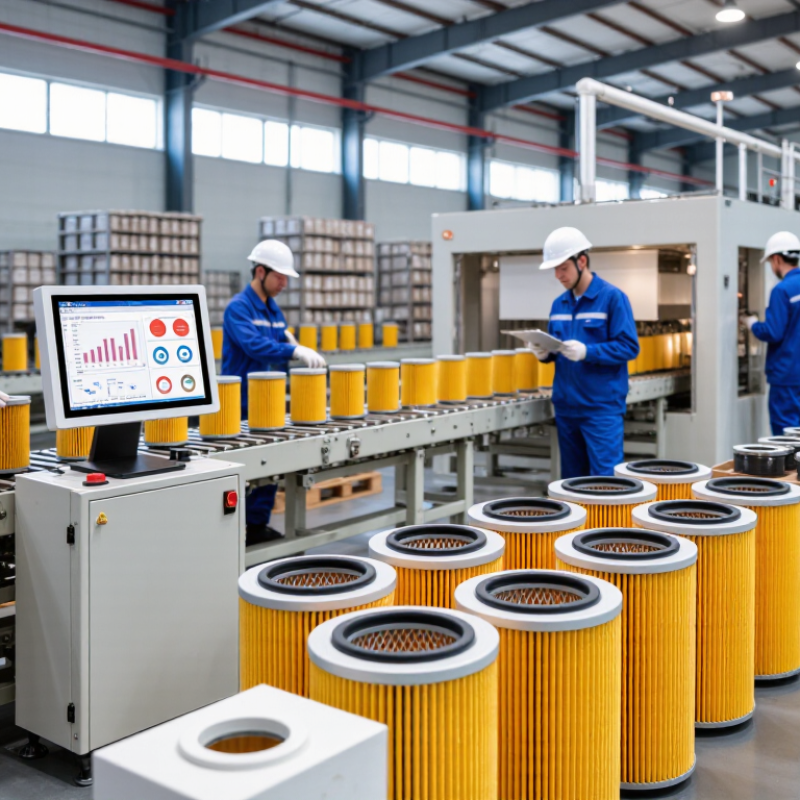
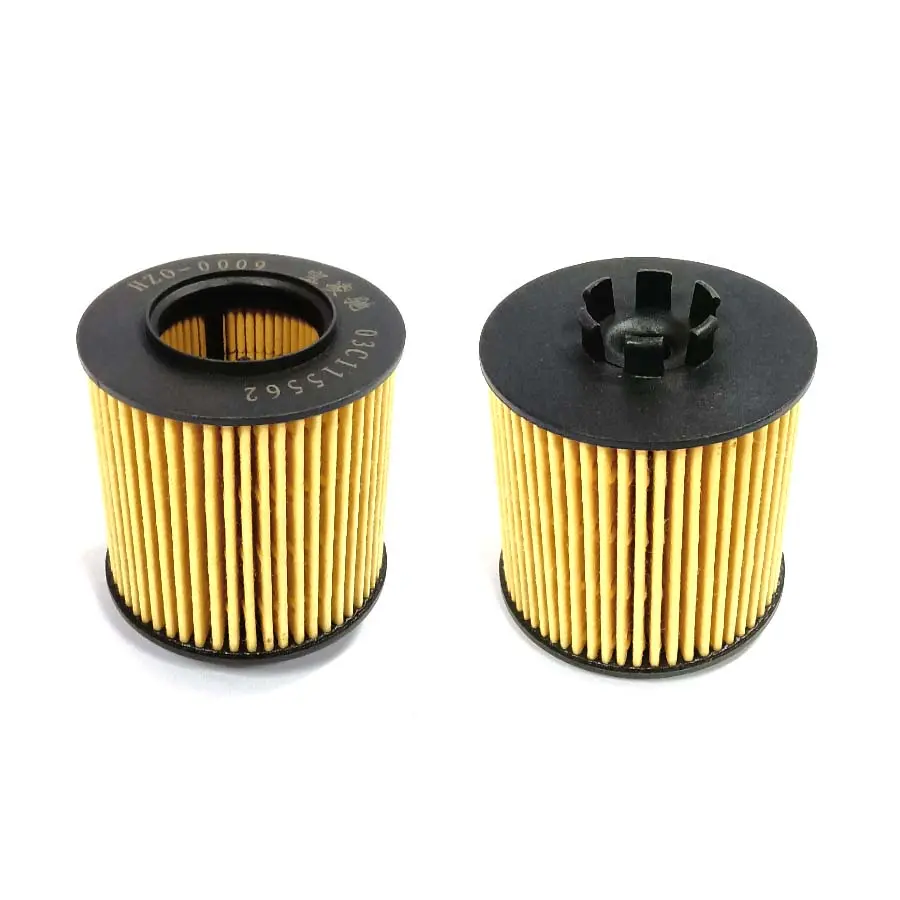
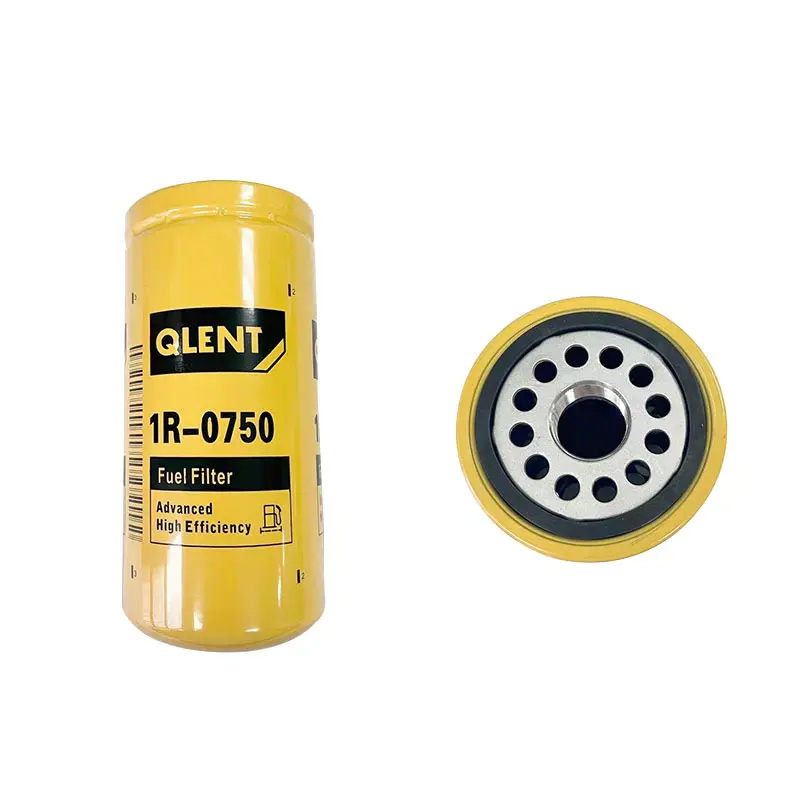
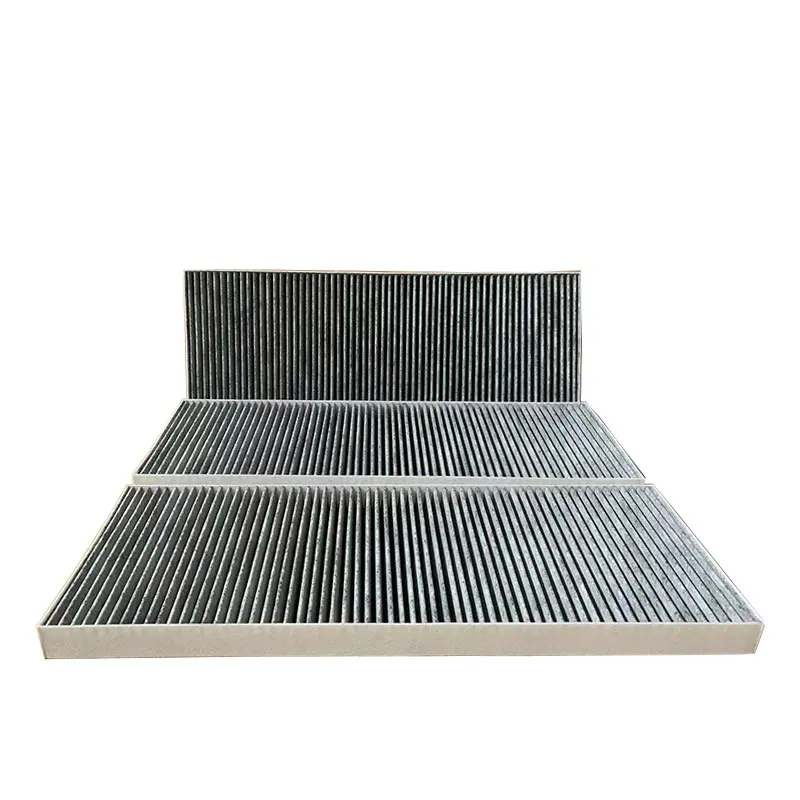
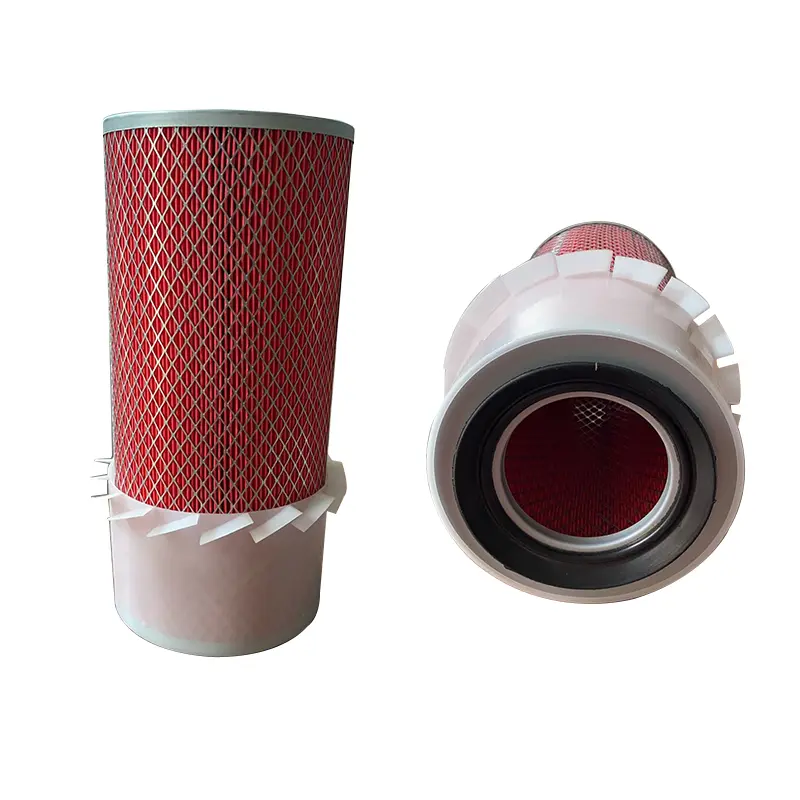
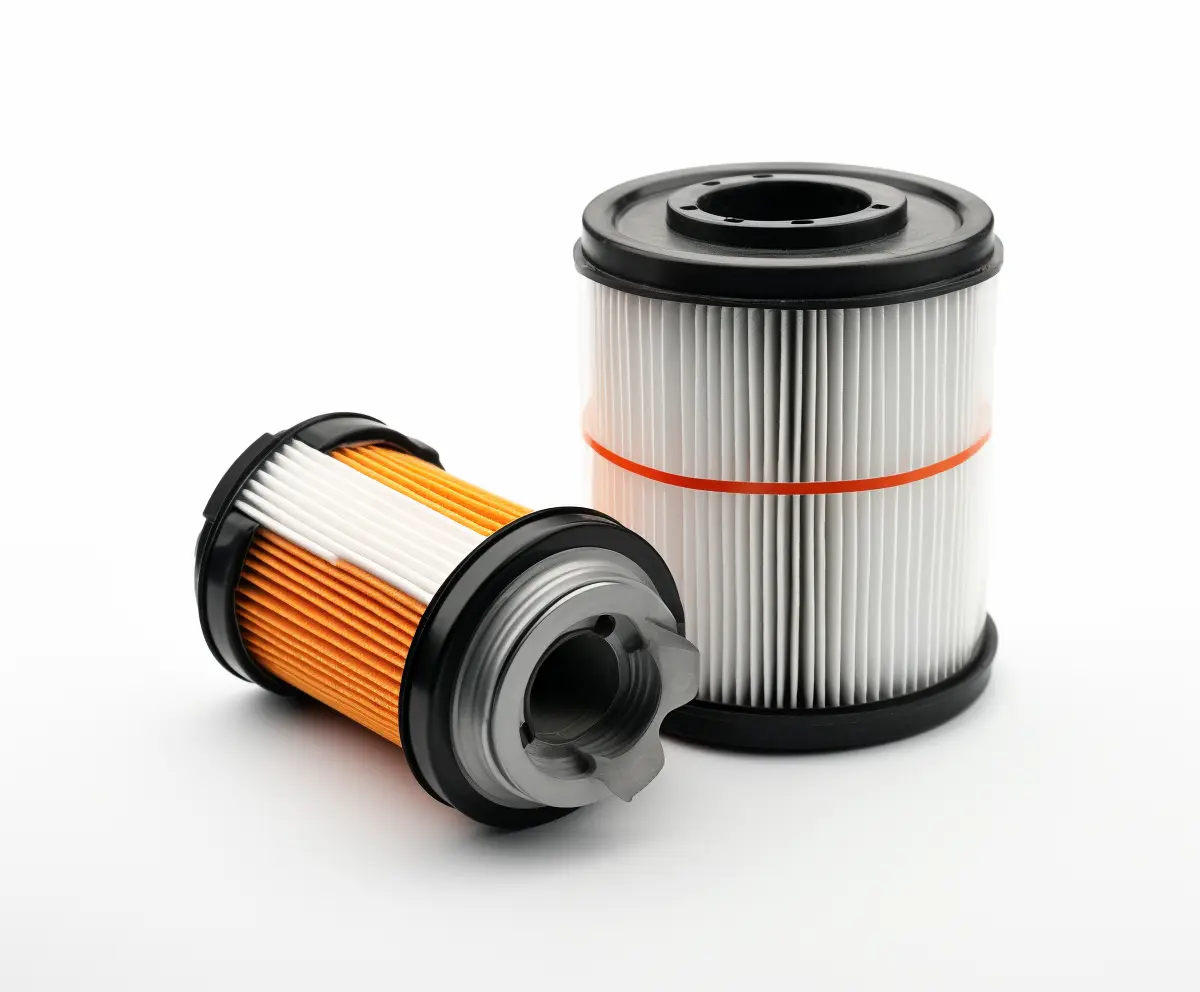
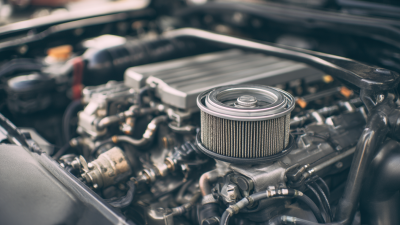
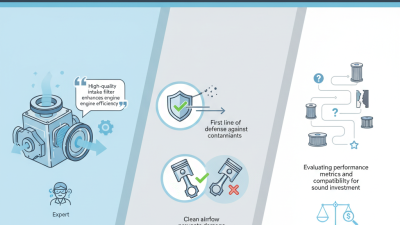
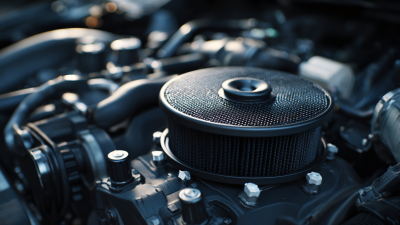
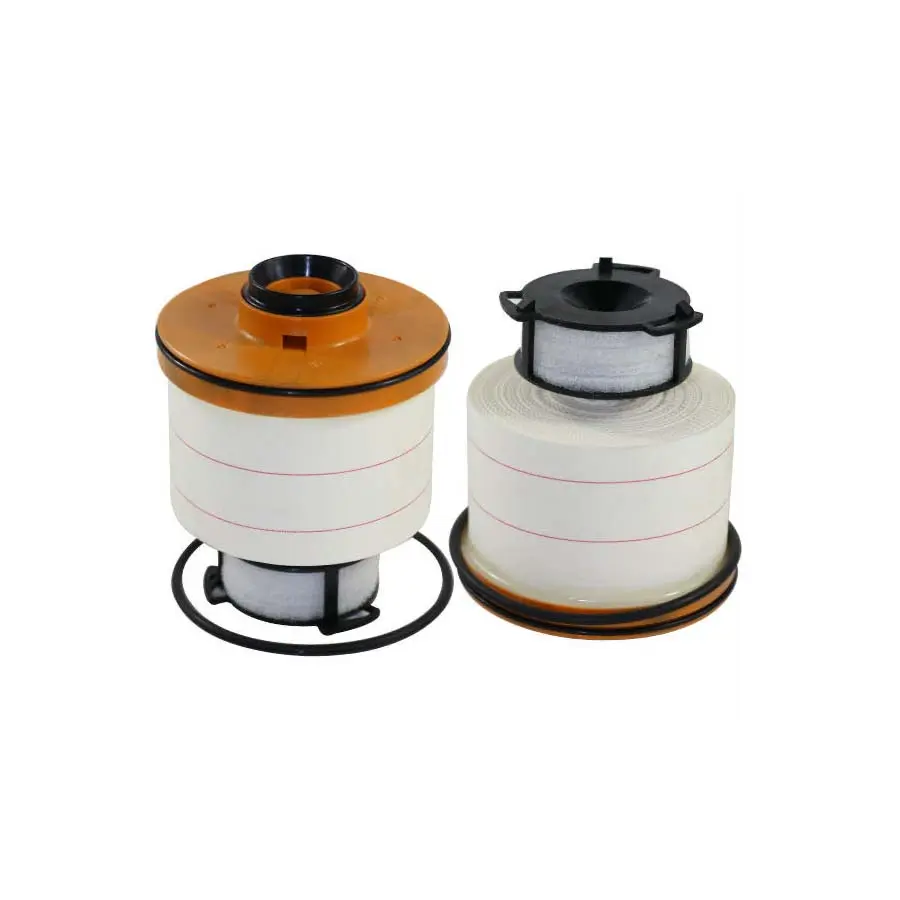
Engine accessory filters protect the systems that keep machines moving. Air filters trap dust before it reaches the intake and cylinder surfaces. Oil filters capture soot, metal particles, and degraded lubricant residue. Fuel filters separate water and fine contamination from diesel or gasoline. Hydraulic and transmission filters protect valves, pumps, and precision passages. Each filter needs a different media structure, pressure rating, and service interval.
According to Grand View Research, the global automotive filters market was valued at more than USD 50 billion in 2023. Its report also forecasts continued growth through 2030, driven by vehicle production, maintenance demand, and stricter emission controls. MarketsandMarkets identifies filtration efficiency, service life, and pressure management as major purchasing factors. These factors matter in factories, construction fleets, agricultural equipment, generators, and commercial vehicles. A filter that looks identical may perform differently under heat, vibration, or heavy dust.
Installation conditions often decide real performance. A dusty worksite can load an air filter faster than a manual schedule predicts. Water in fuel can damage injectors before the filter appears blocked. Field technicians should check restriction indicators, seals, housing damage, and contamination patterns. A perfect filter does not exist. Overly dense media may improve capture but reduce airflow. Cheaper elements can also create hidden maintenance costs. Manufacturers should publish test standards, micron ratings, flow data, and compatibility guidance. Independent laboratory testing remains important, because marketing claims alone are not reliable enough.
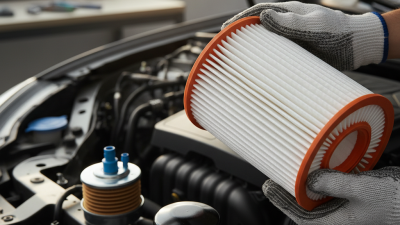
Selecting the best Chinese engine accessories filter manufacturer requires more than comparing prices. Product consistency, testing discipline, and communication deserve closer attention.
In practical sourcing work, I examine the factory’s production records and material specifications. A filter may look identical outside but perform differently under heat, dust, and vibration. Ask for samples from different batches. Check the seal, pleat spacing, adhesive coverage, and metal thickness. Small defects matter. Request pressure-drop data, filtration-efficiency results, and dimensional reports from controlled tests. Reliable manufacturers can explain their testing methods clearly, not just provide attractive certificates.
Traceability is another key criterion. Each shipment should connect to a batch number, inspection record, and packing list. Confirm whether incoming materials are inspected before production. Factory audits should review storage conditions, calibration labels, and worker procedures. A polished factory tour proves little. Detailed records are more useful. I would also verify quality management certificates through credible sources, rather than accepting scanned copies without checking. Communication reveals capability too. Engineers should answer technical questions directly and identify product limits. Some suppliers respond quickly but avoid difficult details. That is a warning sign. Begin with a small trial order and inspect performance after installation. A cheaper filter can create higher maintenance costs. I have sometimes valued delivery speed too heavily, and that judgment needed correction. Supplier evaluation should remain evidence-based, flexible, and slightly skeptical.
| Evaluation Category | Key Criterion | Recommended Benchmark | Verification Method and Required Evidence | Suggested Weight | Priority |
|---|---|---|---|---|---|
| Filtration Performance | Particle-removal efficiency | Require a test report showing efficiency at the specified particle size and operating conditions. Do not compare percentages unless the test method and particle-size basis are identical. | Review laboratory reports, test-fluid details, flow rate, pressure, particle-size distribution, and test date. For hydraulic or lube filters, request multi-pass testing under ISO 16889 where applicable. | 15% | High |
| Filtration Performance | Dust-holding or contaminant-holding capacity | Capacity should be demonstrated using the same test procedure, contaminant type, flow rate, and terminal pressure-drop limit required by the application. | Compare standardized capacity reports rather than catalogue claims. Confirm whether the result represents air, oil, fuel, hydraulic fluid, or another medium. | 8% | High |
| Engine Protection | Pressure-drop performance | The filter should meet the engine or system supplier's maximum allowable initial and operating pressure drop at the specified flow rate. | Request pressure-drop curves covering the complete operating range, including cold-start or high-viscosity conditions when relevant. | 10% | High |
| Engine Protection | Collapse, burst, and structural strength | Test pressure should meet or exceed the application specification, with an appropriate safety margin. The exact requirement depends on the filter type and circuit. | Review validated test records for housing, element, end caps, seams, adhesive joints, and bypass-valve components. ISO 2941 may be relevant to hydraulic filter element collapse or burst testing. | 10% | High |
| Material and Construction | Filter media and support materials | Materials must be compatible with the operating temperature, fluid, additives, moisture, vibration, and service interval of the engine system. | Request material specifications, safety data where relevant, supplier declarations, and compatibility or aging-test results. | 8% | High |
| Material and Construction | Sealing and leakage control | No unacceptable bypass, leakage, seal extrusion, or media migration should occur under rated pressure and temperature conditions. | Check seal material, dimensional tolerances, assembly controls, leakage-test records, and samples after thermal cycling or pressure testing. | 8% | High |
| Quality Management | Quality-management system | A documented quality system with controlled procedures, inspection records, corrective-action processes, and traceability should be in place. | Verify current certificates, certification scope, audit history, internal nonconformance records, and evidence that the certificate applies to the relevant production site. | 10% | High |
| Quality Management | Incoming, in-process, and final inspection | Inspection should cover media, dimensions, pleat geometry, adhesive application, sealing surfaces, cleanliness, labeling, and packaging. | Request a control plan, inspection frequency, acceptance criteria, calibration records, and sample inspection reports. Confirm that critical characteristics are measurable. | 8% | High |
| Testing Capability | Laboratory and validation capability | The manufacturer should be able to reproduce application-relevant tests internally or through a qualified independent laboratory. | Review equipment lists, calibration certificates, test procedures, raw data, uncertainty information, and laboratory competence records. | 7% | Medium |
| Product Compliance | Applicable technical standards | Testing should follow the standard appropriate to the product category, such as ISO 5011 for intake air-cleaner testing or ISO 16889 for applicable hydraulic filter performance testing. | Confirm the edition of each standard, test scope, laboratory identity, sample identification, and whether the tested design matches the production design. | 7% | High |
| Production Capability | Capacity and process stability | Available capacity should cover forecast demand while preserving inspection frequency, lead-time consistency, and process control during peak production. | Review production lines, bottleneck processes, monthly capacity calculations, utilization records, maintenance plans, and business-continuity arrangements. | 5% | Medium |
| Supply Reliability | Lead time and delivery performance | Evaluate quoted lead time against historical on-time delivery performance, order-volume changes, tooling requirements, and export documentation time. | Request anonymized delivery statistics, production schedules, standard order procedures, and a written escalation process for delays. | 5% | Medium |
| Commercial Risk | Tooling, minimum order quantity, and cost transparency | Commercial terms should clearly identify tooling ownership, amortization, minimum order quantities, packaging costs, inspection charges, and price-adjustment rules. | Compare itemized quotations and contract terms. Ensure that tooling, drawings, samples, and approved specifications are clearly controlled. | 4% | Medium |
| After-Sales Support | Technical documentation and change control | Drawings, specifications, inspection standards, packaging instructions, and engineering-change procedures should be complete and version controlled. | Check document revision control, change-notification periods, sample-approval procedures, complaint handling, and corrective-action response times. | 3% | Medium |
| Sustainability and Packaging | Packaging protection and environmental considerations | Packaging should prevent deformation, moisture damage, contamination, and transit impact while avoiding unnecessary material use. | Evaluate packaging tests, storage conditions, moisture protection, recyclability information, and warehouse handling instructions. | 2% | Medium |
China Best Engine Accessories Filter Manufacturers?
Leading Chinese Manufacturers by Product Category and Capability
China’s filter manufacturing base covers air, oil, fuel, hydraulic, and cabin filtration. Product specialization matters more than factory size. The China Association of Automobile Manufacturers reported 31.28 million vehicle productions in 2024. This creates strong demand for stable replacement filters and original-equipment components.
Air-filter specialists often use automated pleating, heat-sealed joints, and dust-holding tests. Oil-filter producers typically focus on bypass-valve accuracy, gasket compression, and burst resistance. Fuel-filter factories need cleaner assembly areas and tighter particle-control procedures. According to Grand View Research, the global automotive filters market was valued at approximately 20.42 billion dollars in 2023. Its forecast also indicates continued growth through 2030. These figures support China’s expanding export capability, but they do not prove equal quality.
Capability needs evidence. Look for ISO 9001 systems, ISO 5011 air-filter testing, traceable materials, and batch inspection records. Some manufacturers operate injection molding, media treatment, pleating, and endurance laboratories under one roof. That shortens development time. It can also reduce communication errors. Yet, not every supplier controls its media production. Some rely heavily on outside converters, which may affect consistency during shortages. I would request test samples from three production batches, not one. That extra step feels slow. It often reveals the real factory capability.
Reliable filter manufacturers should prove performance through documented standards, repeatable tests, and traceable production records. Quality systems such as ISO 9001 can support process control, but certification alone does not guarantee effective filtration. Buyers should request material specifications, batch records, inspection results, and calibrated equipment records.
Testing should match the filter’s application. Air filters require efficiency, dust-holding capacity, airflow resistance, and sealing tests. Oil and fuel filters need pressure-drop, burst-strength, leakage, and contaminant-removal testing. Temperature cycling and vibration tests can reveal weak adhesive joints or damaged seals. Practical inspections often find small sealing defects after installation. That detail matters. No laboratory test perfectly reproduces every road condition, so field feedback remains valuable.
Tips: Ask for test conditions, not only final results. Check the test dust, flow rate, temperature, and acceptance limits. Confirm whether an independent laboratory performed the evaluation. Review certification scope and expiry dates carefully. A certificate covering factory management may not cover a specific filter model. Manufacturers should also explain corrective actions after failed tests. Some documentation may look complete but remain too general. That deserves questions and, sometimes, a second test.
Selecting an engine filter supplier in China requires more than comparing prices. Examine production records, material controls, and testing procedures before discussing long-term cooperation. A reliable manufacturer should explain filter media, sealing materials, micron ratings, pressure-drop results, and dust-holding capacity clearly.
Ask for recent inspection reports and traceable batch records. Check whether the factory controls incoming paper, rubber, metal, and adhesive materials. A site visit can reveal useful details, such as clean assembly areas, calibrated testing equipment, and organized storage. Request samples from different production batches. One sample may look excellent, but consistency matters more.
Test samples under realistic conditions, including cold starts, vibration, heat, moisture, and prolonged operation. Confirm dimensions carefully; a small sealing error can allow unfiltered air into the engine. Discuss packaging, labeling, lead times, replacement policies, and communication procedures in writing. Certifications can support credibility, but they should not replace independent testing. No supplier is perfect. Some factories answer quickly but provide weak evidence. Others have strong engineering teams but slow documentation. That trade-off deserves honest review before a purchase decision. Keep a written scorecard, and record every unanswered question.