Inquiry
Form loading...

How to Choose the Right Oil Filter for Your Engine?

Choosing the right Oil Filter can protect your engine from premature wear, sludge, and costly damage. It is not simply a matter of choosing the cheapest filter on the shelf. Each engine requires a filter that matches its thread size, gasket dimensions, filtration design, and pressure requirements.

During routine maintenance, a technician may notice dark oil, metal particles, or a hardened sealing ring. These details can reveal how well a filter has performed. A suitable filter should trap harmful contaminants without restricting oil flow during cold starts. That balance matters. Small differences matter.

Reliable selection begins with the vehicle owner’s manual and the engine manufacturer’s specifications. Professional technicians also compare filter construction, micron performance, anti-drainback valves, and bypass-valve settings. These features affect lubrication when the vehicle sits overnight or operates under heavy load. Driving conditions matter too. Frequent towing, dusty roads, short trips, and extreme temperatures can demand a more durable filter.

Still, no filter is universally best. Marketing claims can sound impressive, yet they may not explain testing methods or service limits. Even experienced mechanics can make assumptions when a filter appears to fit. A careful inspection is wiser. Confirm the part number, inspect the gasket, and avoid forcing an uncertain fit.

This guide explains how to compare filter types, understand technical specifications, and recognize quality differences. It also considers oil viscosity, replacement intervals, and real-world engine use. The aim is practical guidance, not a one-size-fits-all answer. A thoughtful choice supports cleaner oil, steadier pressure, and longer engine life.
How to Choose the Right Oil Filter for Your Engine?

Identify Your Engine’s Oil Filter Requirements

How to Choose the Right Oil Filter for Your Engine?

Identify Your Engine’s Oil Filter Requirements

Choosing an oil filter starts with your engine’s exact requirements, not its appearance. Check the owner’s manual for the correct filter dimensions, thread size, gasket diameter, and bypass valve setting. These details must match. A filter that looks suitable may still leak or restrict oil flow.

Consider the engine’s oil type, operating temperature, mileage, and driving conditions. Frequent short trips can increase moisture and fuel contamination in the oil. Towing, dusty roads, and extreme heat may also demand stronger filtration and greater capacity. Inspect the old filter for unusual metal particles or heavy sludge. A clean filter change is useful, but it cannot repair an internal engine problem. I have learned that guessing from memory is unreliable, especially when several engines share similar filter shapes.

Tips: Compare the filter specification with the manual before purchase. Measure the old gasket only as a reference. Confirm that the new filter’s seal is clean, flexible, and properly seated. Tighten it by hand according to the stated instructions. Over-tightening can damage the gasket, while under-tightening may cause a slow oil leak. Keep the receipt and note the installation date. Small records help reveal changing oil consumption or repeated contamination later.
Understand Oil Filter Types and Their Performance Features

How to Choose the Right Oil Filter for Your Engine?

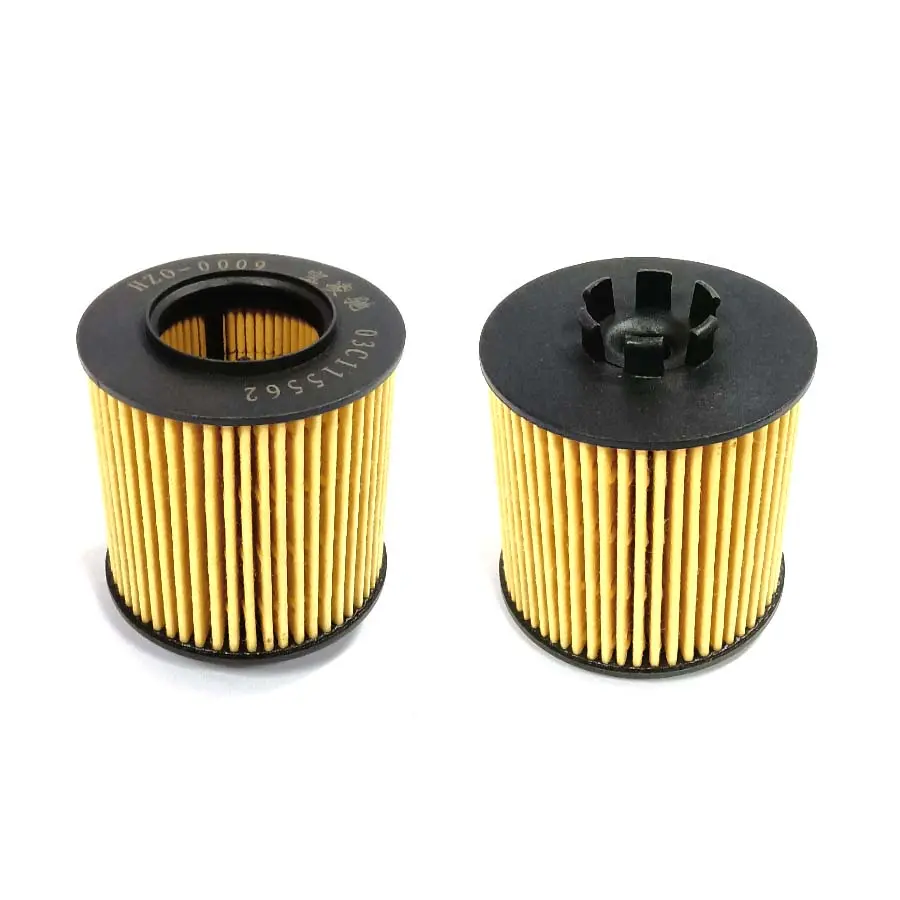
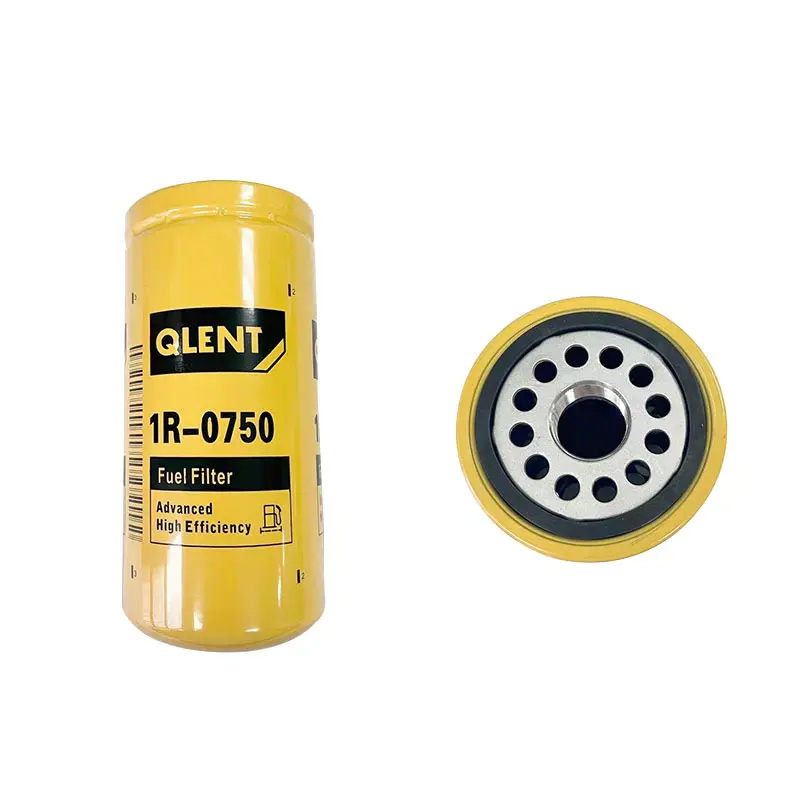
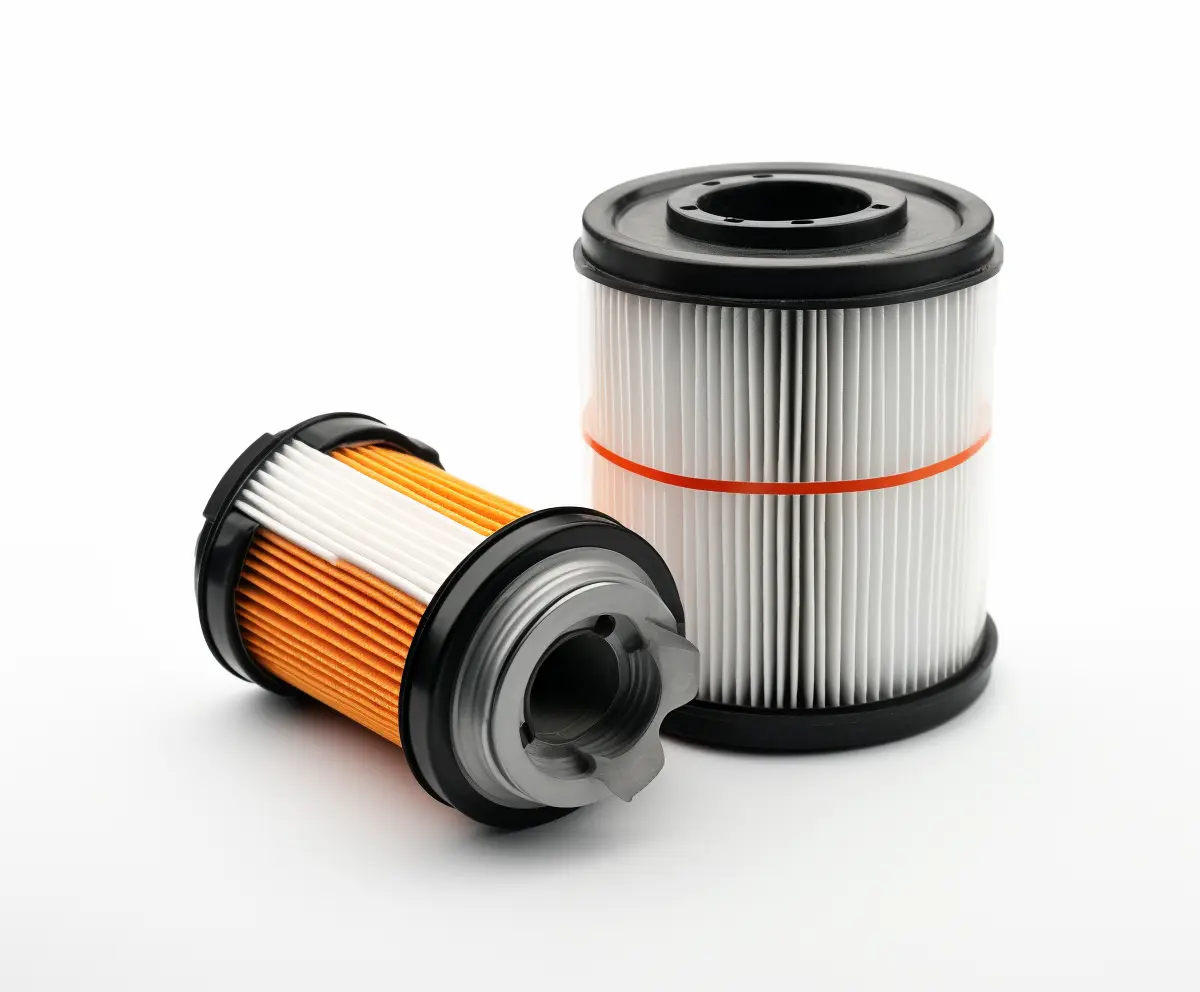
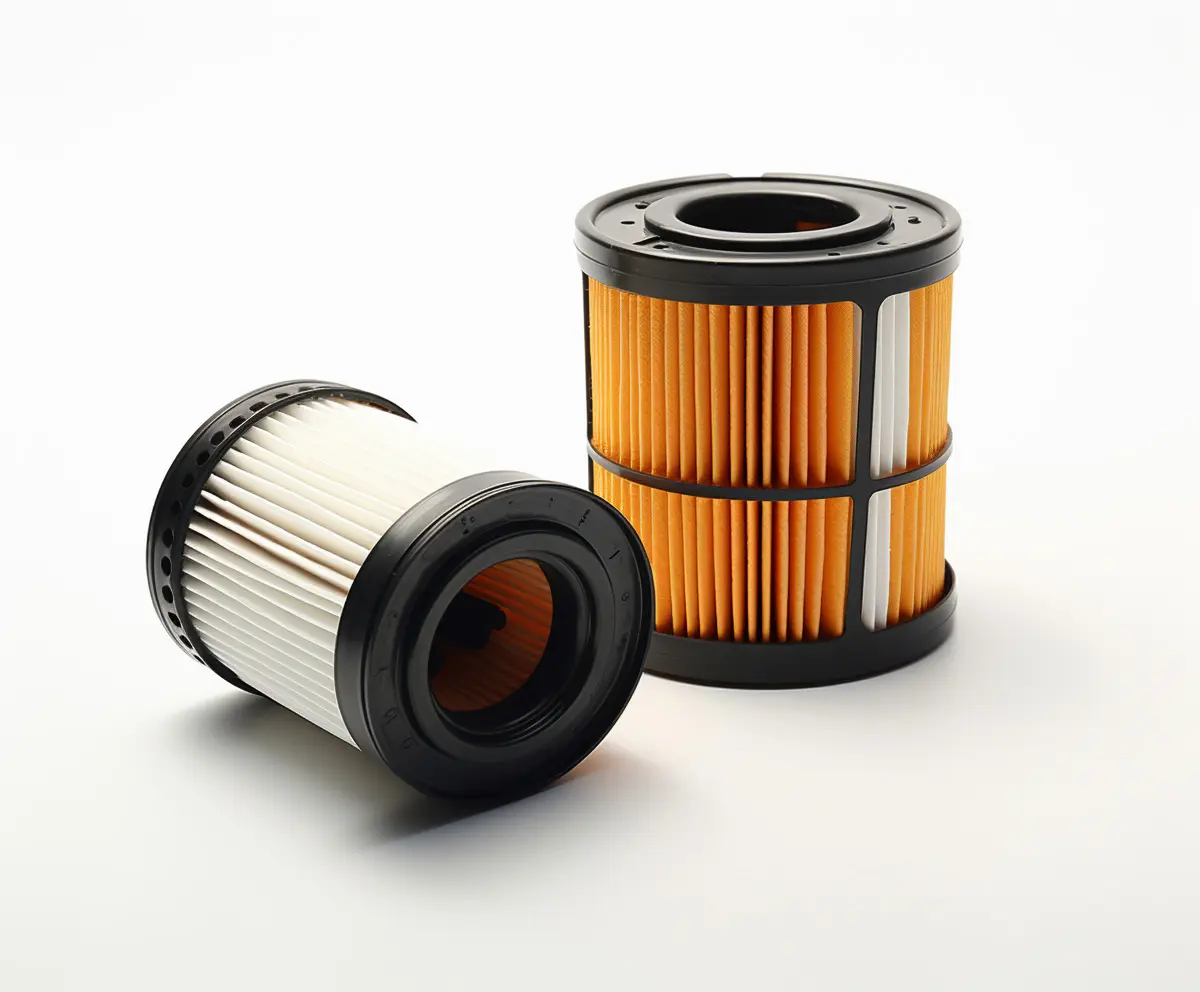
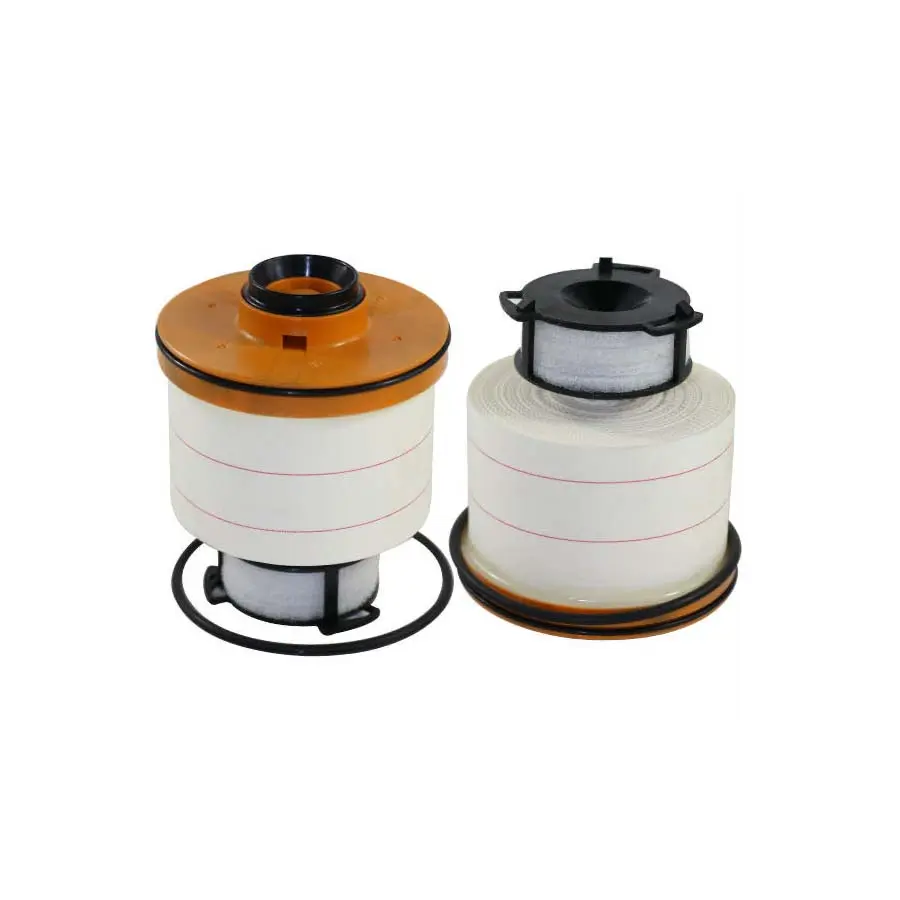
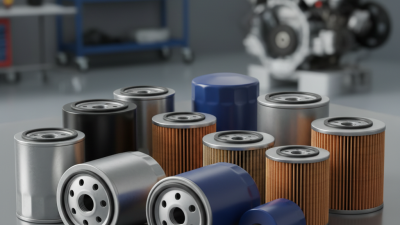
Oil filter design affects how cleanly your engine oil circulates. Spin-on filters are sealed units, while cartridge filters use a replaceable element inside a housing. Cartridge systems can reduce waste, but they require careful installation. A damaged seal may cause a slow leak around the housing.

Filter performance depends on more than a small micron rating. Look for filtration efficiency, dirt-holding capacity, and stable oil flow under pressure. Synthetic filter media often captures fine particles while maintaining better flow than basic cellulose media. However, higher efficiency does not always mean better protection. A restrictive filter can reduce flow during cold starts. That trade-off deserves attention.

A bypass valve helps oil reach the engine when the filter becomes restricted or oil is very thick. An anti-drainback valve keeps oil from draining after shutdown. This can reduce the dry-start delay you may hear as brief ticking. Check the engine manual for the correct bypass pressure, thread size, gasket dimensions, and service interval. Physical fit is not enough.

Measure carefully.

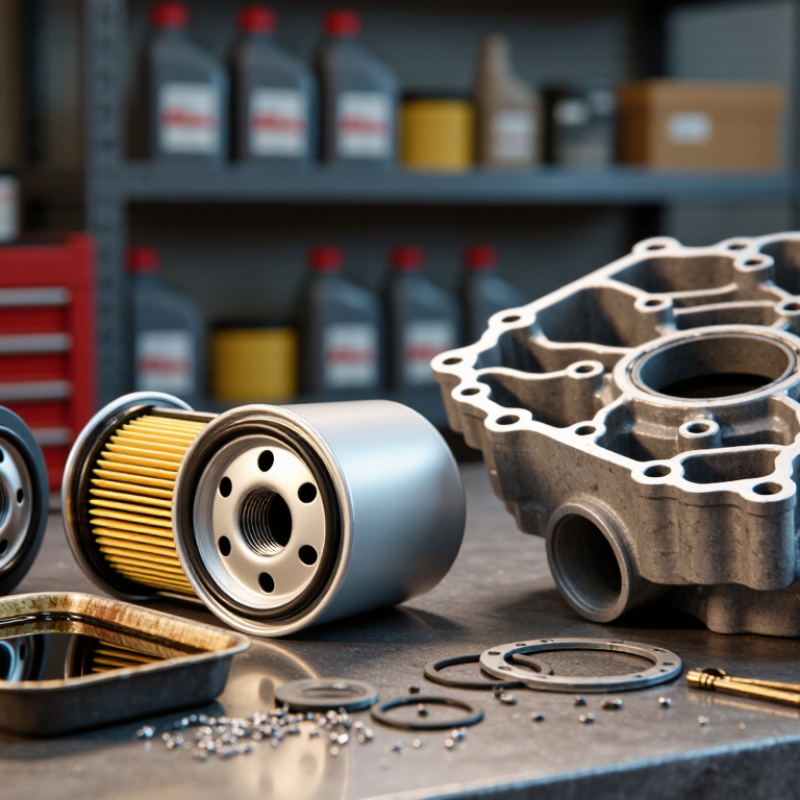
In practical maintenance, I inspect the old filter for metal flakes, sludge, or a collapsed element. These clues may reveal engine problems, not filter failure. I once trusted a compatible-looking filter without checking its seal diameter. It fit, but the gasket was slightly wrong. That mistake changed my view of “universal” parts. Choose the filter by verified specifications, driving conditions, and oil viscosity, not appearance alone.

Match Filter Size, Thread, and Bypass Valve Specifications

How to Choose the Right Oil Filter for Your Engine?

Choosing the right oil filter starts with matching its physical specifications. I learned this through routine engine servicing. A filter may look correct but still have the wrong thread. Check the thread diameter and pitch in the service manual. Compare them with the filter catalog, not only the old filter. A filter that spins on is not necessarily safe. Never force it.

Filter size also matters. Confirm the canister diameter, height, gasket shape, and sealing surface. A larger filter is not automatically better. It may contact nearby parts or hold the wrong oil volume. Measure the available space around the mounting base. Small differences can cause leaks. That detail is easy to miss.

The bypass valve specification deserves careful attention. The valve should open at the pressure recommended for that engine. It helps maintain oil flow when cold oil or a restricted media increases resistance. A valve opening too early may reduce filtration. One opening too late may limit protection during cold starts. Use the manufacturer’s service information or a reliable technical catalog. Do not guess from appearance.

Before installation, inspect the gasket and mounting thread. Lightly oil the gasket with clean engine oil. Tighten the filter according to the stated instructions. I once relied too heavily on hand feel and had to correct a slight seepage later. That mistake reminded me to check for leaks after starting the engine. Recheck the oil level after shutdown.

Compare Filtration Media, Capacity, and Service Life

How to Choose the Right Oil Filter for Your Engine?

The filter media controls what stays inside the filter and what reaches the engine. Cellulose media is affordable and suitable for many standard engines. Synthetic media usually captures smaller particles and maintains flow more consistently. Blended media offers a practical middle ground. In my workshop experience, a filter with excellent efficiency can still perform poorly if its flow rating is unsuitable. Filtration is a balance, not a single number.

Capacity matters when an engine produces heavy soot, sludge, or metal particles. A larger dirt-holding capacity can help during long service intervals or dusty driving. However, physical size alone proves little. Check the filter’s tested capacity and pressure-drop data when available. The internal bypass valve also deserves attention. If the media becomes restricted, the valve may open and protect oil circulation, although unfiltered oil then passes through. That trade-off is easy to overlook.

Service life depends on oil quality, engine condition, traffic, temperature, and driving distance. Short trips can contaminate oil faster than steady highway driving. Follow the engine manufacturer’s interval, but inspect the old filter during replacement. Heavy deposits or unusual metal particles need investigation. I have sometimes chosen a high-capacity filter and still replaced it early after severe winter use. No filter lasts forever. Part numbers, gasket size, thread specifications, and pressure ratings must match the engine. A small mismatch can cause leaks or poor lubrication.

Verify Compatibility Before Purchasing and Installing the Filter

How to Choose the Right Oil Filter for Your Engine?

Verify compatibility before purchasing and installing the filter. A filter can screw on correctly and still be unsuitable. Check the engine model, production year, filter thread, gasket diameter, and sealing surface. Your vehicle manual and a reliable parts catalogue should agree. If they do not, pause and investigate.

Filter design also matters. Confirm the required bypass-valve setting and anti-drainback function. These details affect oil flow during cold starts and sudden pressure changes.

Compare the new filter with the old one, but do not rely on appearance alone. I have seen filters with similar sizes use different sealing rings. That small difference can cause leakage.

Before installation, inspect the mounting plate for dirt, scratches, or an old gasket. Apply a thin film of clean engine oil to the new seal. Tighten it according to the service instructions, not by guesswork. After starting the engine, watch the oil-pressure warning light and inspect the seal for leaks. Let the engine run briefly, then check again after switching it off. A second inspection feels excessive, but skipping it can be expensive. Physical fit is only the beginning. Accurate compatibility checks protect the engine and make the installation more dependable.