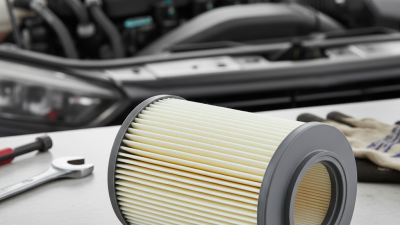
Choosing the right China Oil Filter manufacturer requires more than comparing catalog prices. Global buyers need dependable filtration, stable supply, and clear technical communication. China has a broad manufacturing base, ranging from specialized automotive plants to large industrial filtration companies. Their capabilities can vary significantly.
A reliable Oil Filter should match the engine, equipment, operating environment, and maintenance schedule. Buyers should examine filter media, pressure ratings, sealing materials, thread accuracy, and bypass valve performance. Product samples can reveal details that brochures often miss. Check them carefully. Factory audits, production photos, test reports, and traceable quality records also provide useful evidence. Certifications may support evaluation, but they should not replace independent verification.
Experienced sourcing teams usually compare manufacturers through several practical steps. They review production capacity, export experience, quality-control procedures, packaging strength, and response times. A supplier that answers technical questions clearly may be more valuable than one offering the lowest quotation. Small details matter, such as carton labeling, moisture protection, and consistent part-number management. These factors can reduce warehouse errors and field complaints.
However, no manufacturer is perfect. Even established suppliers may face material delays, inspection gaps, or communication mistakes. Buyers should discuss corrective-action procedures before placing large orders. They should also confirm warranty terms, inspection responsibilities, and realistic delivery schedules. This guide presents leading China Oil Filter manufacturers from a global buyer’s perspective. It focuses on verifiable capabilities, product suitability, and long-term cooperation. Rankings should still be treated as a starting point, not a final decision. Actual performance depends on the application, order requirements, and ongoing quality monitoring.
China has become a major oil filter manufacturing hub through dense industrial clusters, skilled labor, and mature component supply chains. OICA reported that China produced about 30.16 million motor vehicles in 2023. That large domestic base supports continuous demand for filtration products, tooling, testing, and replacement parts.
The supply chain is highly integrated. Steel shells, filter media, adhesives, gaskets, and packaging can often be sourced within nearby manufacturing regions. This reduces transport time and supports flexible production for global buyers. Grand View Research identifies rising vehicle ownership and aftermarket maintenance as important drivers of automotive filter demand. Yet low price alone is not enough. Buyers should review ISO 4548-12 test results, pressure-burst data, sealing performance, and batch traceability before approving a supplier.
Production floors reveal the practical advantage. Pleated media moves through automated lines, while workers inspect crimps, threads, and gasket seating. Digital inspection is improving, but it is not perfect. A factory may pass efficiency tests and still struggle with inconsistent adhesive curing. That detail matters in dusty or high-temperature operating conditions. Serious manufacturers therefore combine laboratory testing with field feedback, documented corrective actions, and repeat sampling. China’s logistics network also helps consolidate mixed orders, although export delays and uneven supplier communication still require careful planning.
China Top Oil Filter Manufacturers for Global Buyers
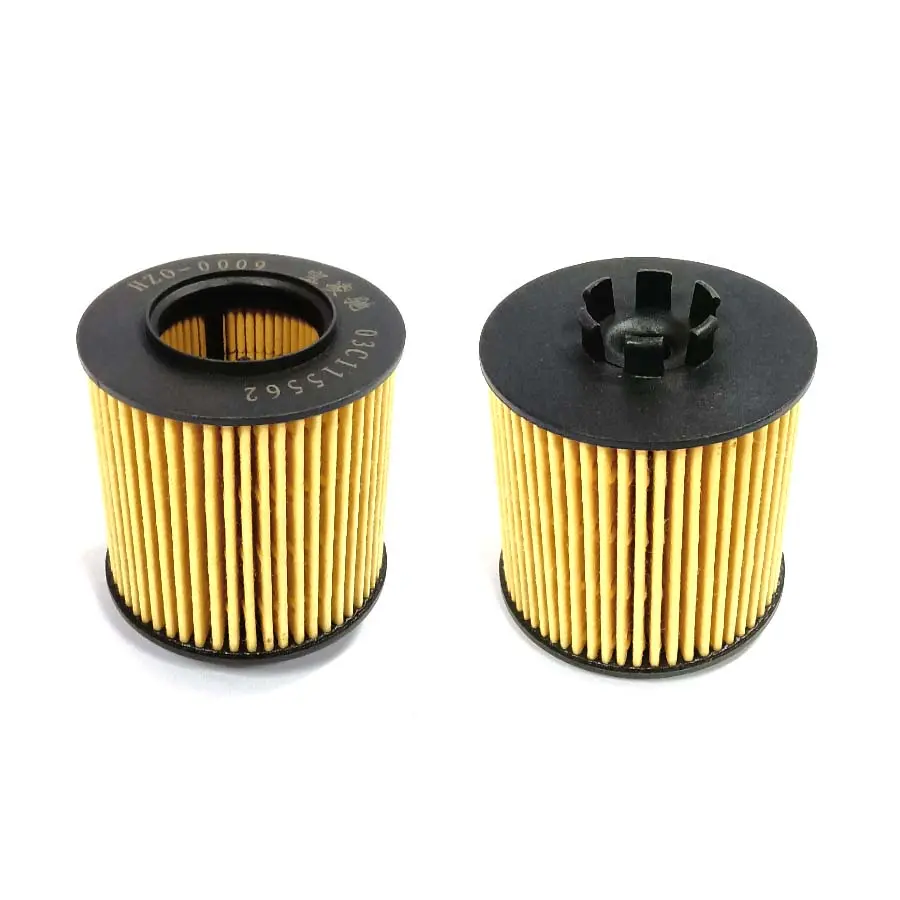
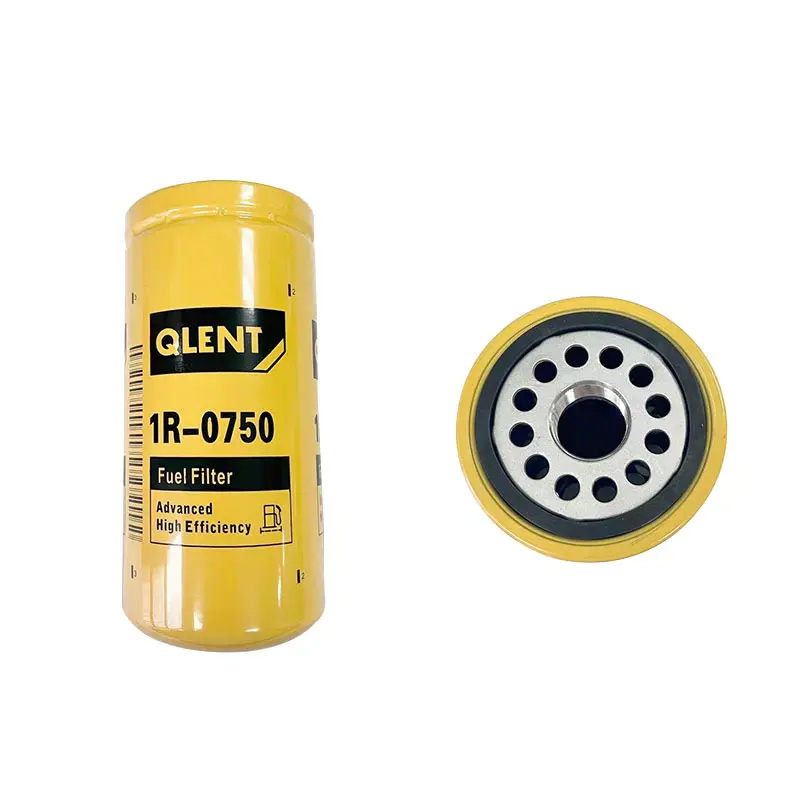
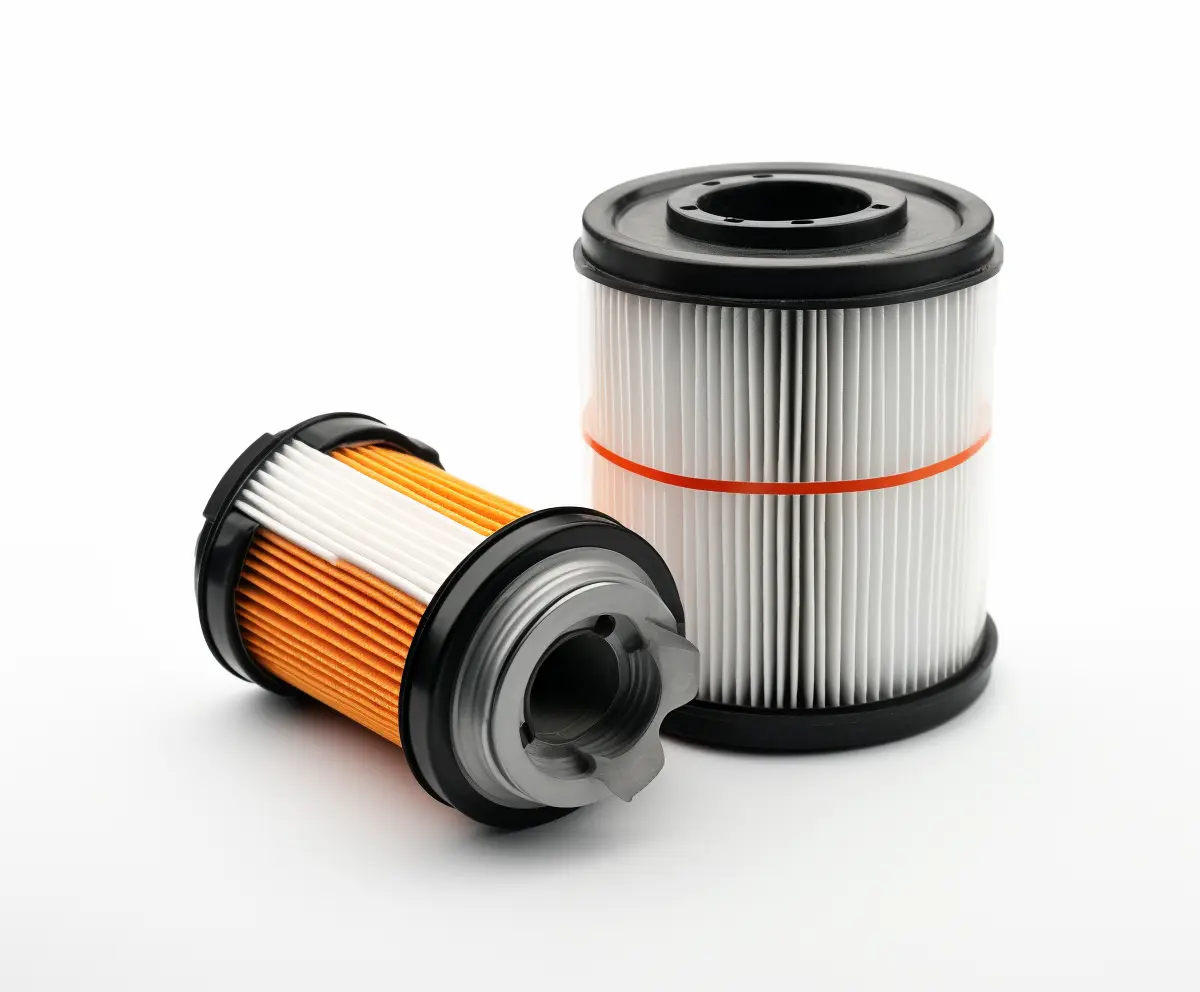
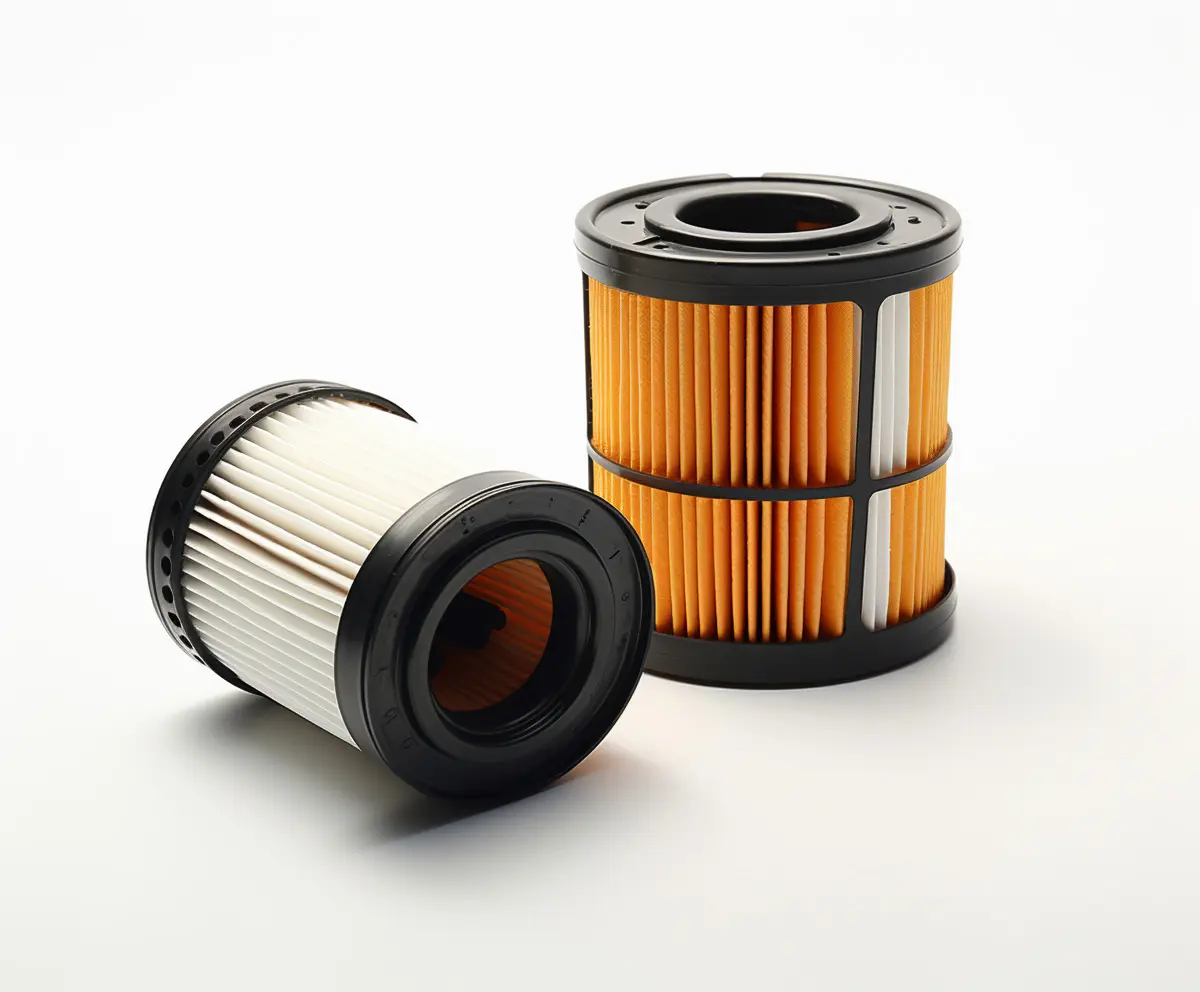
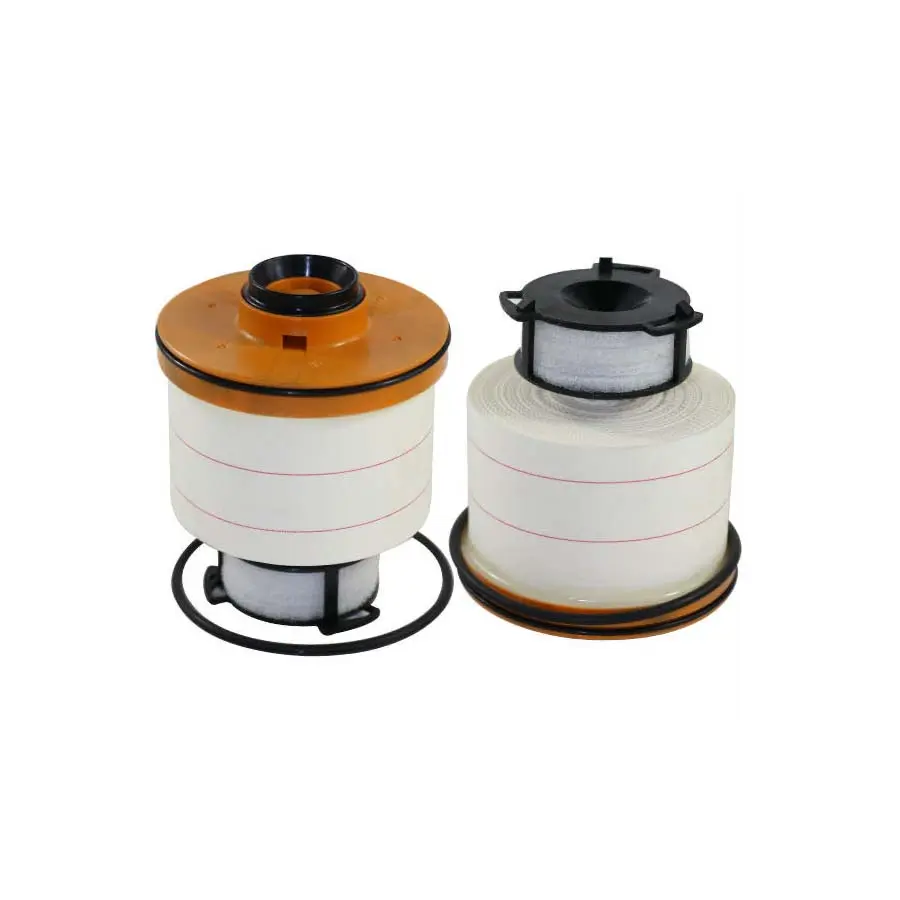
Chinese manufacturers produce several oil filter types for vehicles, generators, compressors, and hydraulic equipment. Spin-on filters remain common because their sealed metal housings support quick replacement. They usually include a filter medium, anti-drainback valve, bypass valve, and threaded base plate. Cartridge filters use a replaceable element inside a reusable housing. This design can reduce metal waste and simplify visual inspection. Some suppliers also make high-capacity hydraulic filters for excavators, presses, and industrial power units.
Filter media varies by operating condition. Cellulose media suits many standard engines, while synthetic or blended media can capture finer particles. A buyer should check micron ratings, flow resistance, pressure limits, gasket materials, and service temperature. These details matter more than a polished product photograph. Reliable factories commonly perform leak, burst-pressure, vibration, and filtration-efficiency tests. They should also provide batch traceability and dimensional inspection records. Ask for actual test data.
One practical lesson deserves attention. Two filters may share the same thread but perform differently under cold-start pressure. I have seen purchasing decisions focus too heavily on unit price. That approach can overlook weak seals or uneven pleating. Small details matter. Chinese suppliers can customize labels, packaging, media, and valve settings for global applications. However, buyers should verify samples in real equipment before placing large orders. A factory may pass a basic inspection yet still need improvement in consistency. Regular audits and clear technical drawings help reduce that risk.
| Oil Filter Type | Common Applications | Typical Filter Media | Typical Filtration Rating | Main Construction | Key Advantages | Buyer Considerations |
|---|---|---|---|---|---|---|
| Spin-On Oil Filter | Passenger cars, light commercial vehicles, small diesel engines and generators | Cellulose, synthetic or blended pleated paper | Commonly about 10–40 micrometres, depending on application and test method | Steel canister, end caps, center tube, anti-drainback valve and bypass valve | Compact, easy to replace and suitable for high-volume vehicle servicing | Thread size, gasket dimensions, pressure ratings and valve settings must match the engine specification |
| Cartridge Oil Filter | Modern passenger vehicles, motorcycles, commercial vehicles and industrial engines | Cellulose, glass-fiber or synthetic composite media | Commonly about 10–30 micrometres for full-flow lubrication systems | Replaceable filter element installed inside a reusable housing | Reduced metal waste, flexible media selection and convenient element replacement | Element height, outer diameter, sealing configuration and housing compatibility are critical |
| Hydraulic Oil Filter | Hydraulic power units, injection-molding machines, construction equipment and mobile hydraulics | Microglass, synthetic fiber, cellulose or wire mesh | Typically about 3–25 micrometres absolute or nominal, depending on system requirements | Spin-on, in-line or return-line housing with bypass and clogging indicator options | Protects pumps, valves and actuators from wear particles | Verify flow rate, maximum pressure, beta ratio, seal material and fluid compatibility |
| Gearbox and Transmission Oil Filter | Automatic transmissions, industrial gearboxes, marine drives and power-transmission systems | Synthetic or cellulose blend, with optional wire-support layers | Often about 10–50 micrometres, depending on transmission design | Flat panel, cylindrical cartridge or serviceable metal housing | Supports clean lubricant circulation and helps reduce abrasive wear | Check fluid temperature, flow direction, pressure drop and resistance to transmission additives |
| Fuel-Oil and Lube-Oil Coalescing Filter | Diesel fuel systems, marine engines, bulk lubricant systems and industrial fluid conditioning | Coalescing glass fiber, synthetic media and water-separation layers | Particle ratings commonly range from about 5–30 micrometres | Multi-stage element with water collection bowl or drain option | Removes solid particles and separates free water from fuel or oil | Confirm water-separation efficiency, drain design, flow direction and fuel compatibility |
| Centrifugal Oil Filter | Large diesel engines, marine engines, agricultural machinery and industrial power units | Centrifugal rotor with collection surfaces; some designs include a replaceable insert | Particle removal depends on rotor speed, oil viscosity and operating conditions | Rotor assembly, bearings, housing and sludge collection chamber | Separates fine contaminants without requiring a conventional disposable filter element | Evaluate oil flow, rotor balance, maintenance access and sludge-cleaning procedure |
| Magnetic Oil Filter | Gearboxes, transmissions, hydraulic reservoirs and metalworking-fluid systems | Permanent magnet combined with a metal screen or conventional filter media | Captures ferrous particles; non-ferrous particle performance depends on the paired media | Magnetic rod, magnetic plug, magnetic core or integrated filter element | Provides early indication and removal of ferrous wear debris | It is usually a supplementary filter and should not replace required fine-particle filtration |
| High-Efficiency Bypass Oil Filter | Heavy-duty diesel engines, fleet vehicles, generators and extended-service lubrication systems | Dense cellulose, synthetic microfiber or composite depth media | Often designed for sub-10-micrometre particle control at a low controlled flow rate | Separate bypass circuit, depth-media element and pressure-regulated housing | Improves fine-particle control while allowing the main lubrication circuit to maintain flow | Check bypass flow, installation space, oil viscosity range and engine manufacturer requirements |
Note: Filtration ratings are typical industry ranges rather than universal specifications. Actual performance should be verified using the applicable ISO, SAE or manufacturer test method, along with flow rate, pressure-drop and compatibility data.
China’s leading oil filter manufacturers increasingly compete through engineering depth, not only low pricing. Fortune Business Insights valued the global automotive filters market at approximately USD 4.78 billion in 2023. Its forecast also indicates steady growth through 2032. This demand rewards suppliers that can deliver consistent filtration, reliable sealing, and stable export capacity.
Many established Chinese manufacturers operate integrated production lines. These often include stamping, pleating, adhesive curing, assembly, and leak testing. Such integration can shorten development cycles and reduce component variation. Strong suppliers also test filters against ISO 4548 procedures, including pressure loss, burst strength, and filtration efficiency. Their laboratories may use particle counters, hydraulic benches, and automated inspection cameras. The details matter. A filter can look excellent yet fail after thermal cycling.
Customization is another practical strength. Chinese factories commonly adjust thread sizes, gasket compounds, media grades, and relief-valve settings for different engines. IATF 16949 and ISO 9001 systems provide useful evidence, but certificates alone prove little. Buyers should review batch records, test reports, traceability codes, and independent samples. The 2023 MarketsandMarkets automotive filter study identifies replacement demand and stricter emissions requirements as important market drivers. Still, supplier capability varies widely. Some factories remain dependent on manual inspection, which creates avoidable inconsistencies. A careful audit should examine production during a normal shift, not only a prepared showroom visit.
A reliable evaluation begins with the filter’s working conditions, not a polished factory presentation. Define engine type, oil viscosity, flow rate, pressure, temperature, thread size, and sealing material. Ask suppliers for drawings, material specifications, efficiency data, and burst-pressure test records. Independent laboratory reports can add confidence, but verify the sample number and testing date. Small details matter.
Request production samples before discussing large orders. Check pleat spacing, gasket flexibility, thread accuracy, and sealing performance after heat exposure. Compare the sample with your original filter, not only with a catalogue image. A supplier should explain its inspection points, batch traceability, and handling of rejected units. Visit the facility when possible, or arrange a live video inspection. Clear answers usually matter more than impressive machinery. Yet evaluation is rarely perfect. A strong sample may come from a different batch. Repeat testing is wise. Review lead times, minimum quantities, packaging strength, export documents, and communication speed. Also confirm that materials and labeling meet the requirements of your destination market. Reliable suppliers welcome technical questions, record changes, and admit limits instead of promising everything.
Export sourcing begins with evidence, not factory photos. OICA reported 93.5 million motor vehicles were produced worldwide in 2023. That scale increases demand for stable filtration and traceable supply. Ask manufacturers for ISO 4548 test results, material specifications, and batch records. These documents should match the exact filter model, not a similar sample.
Export standards vary by destination. Confirm tariff classification under HS 842123, labeling language, packing rules, and required conformity documents before ordering. ISO 9001 supports process control, while IATF 16949 shows stronger automotive quality discipline. Neither certificate proves every filter performs well.
A practical inspection should measure burst pressure, filtration efficiency, gasket hardness, leakage, and pleat consistency. Independent laboratories can verify disputed results. Mistakes still happen.
Tips:
Request three sealed samples from separate production lots. Check thread accuracy, seal seating, canister dents, and barcode readability. Ask for a corrective-action report when results fail. Keep inspection photos with the purchase order. Use pre-shipment testing for the first three orders, then review the frequency. No checklist is perfect. Supplier audits may also miss seasonal material changes, rushed packing, or undocumented subcontracting. Industry reports provide useful direction, but physical testing remains the more reliable sourcing signal.