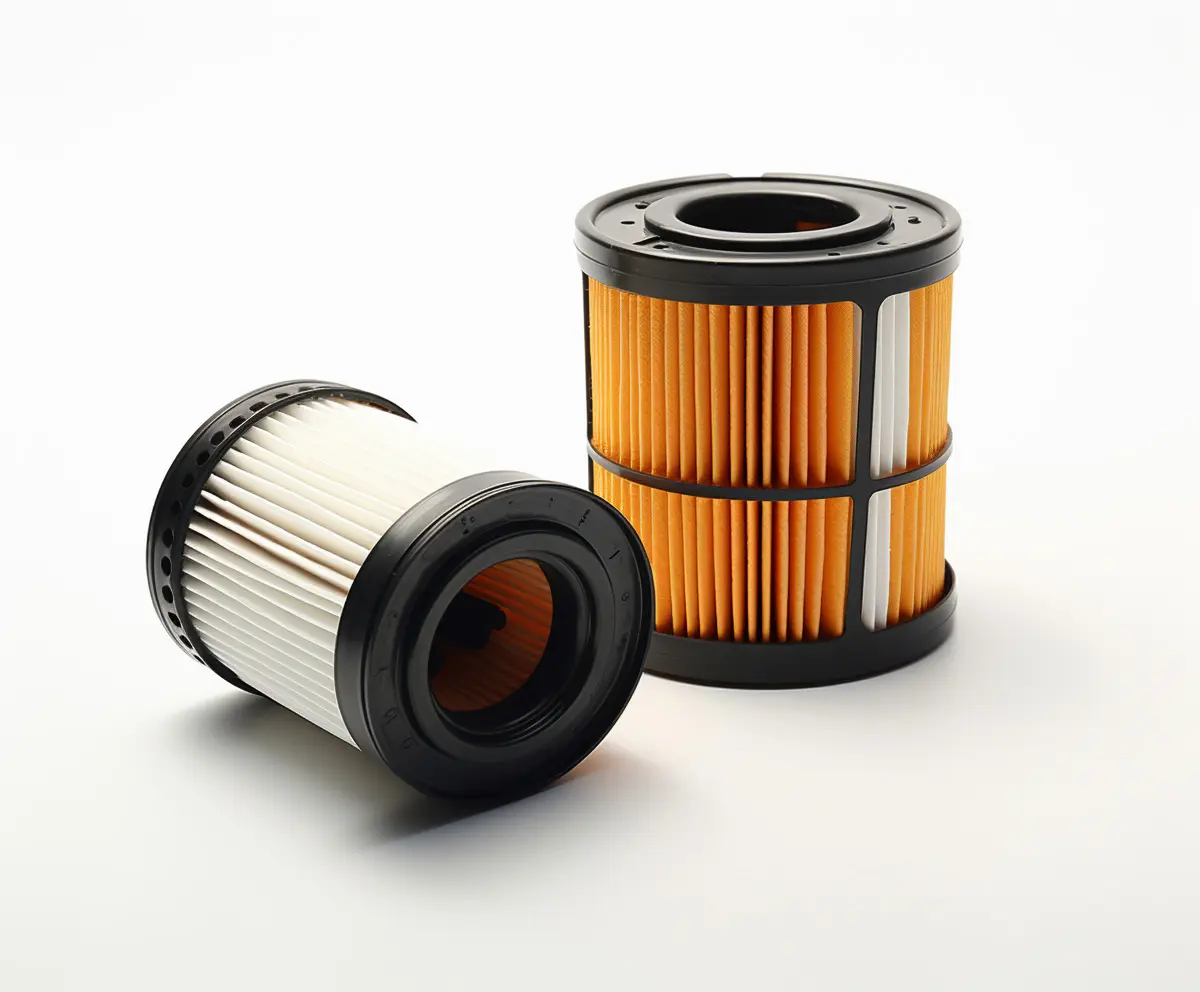
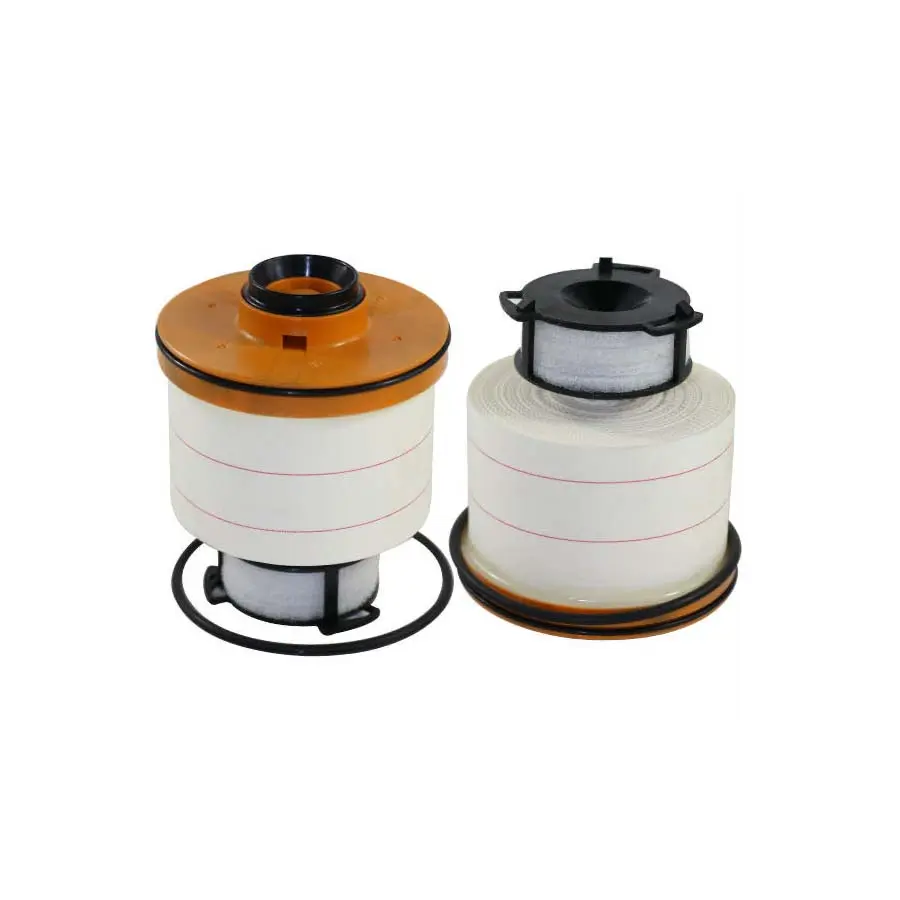
Inquiry
Form loading...

Top 10 Truck Filters You Need for Optimal Performance?

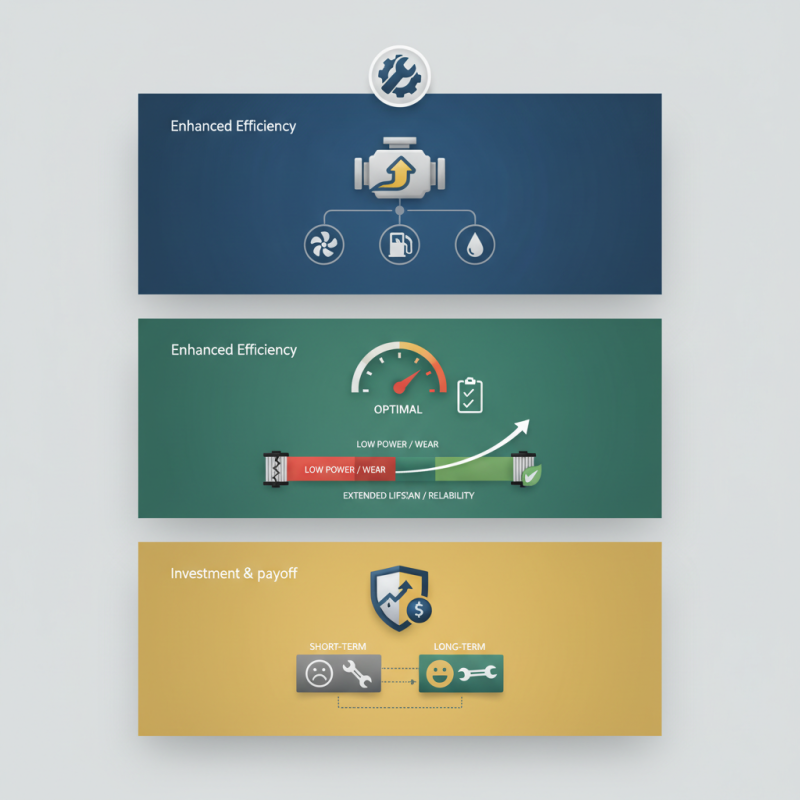
When it comes to maximizing the performance of your truck, understanding the importance of high-quality truck filters is crucial. Expert mechanic and automotive engineer, John Taylor, emphasizes this point, stating, “The right truck filter can significantly enhance your engine's efficiency and lifespan.” This highlights the essential role truck filters play in maintaining optimal performance.

Selecting the best filters involves knowing which types suit your vehicle's needs. Air, fuel, and oil filters each serve a specific purpose. Using subpar filters can lead to decreased power, increased wear, and costly repairs. Issues like improper filtration can compromise engine health and performance, proving that not all filters are created equal.

Consider this: a top-notch truck filter not only ensures clean air and fuel but also extends your truck’s lifespan. This attention to detail can make a significant difference in your vehicle's reliability. As you evaluate your options, remember the impact of your choices on long-term performance. Investing in the best may require more effort, but it pays off with fewer headaches and better results.
Top 10 Truck Filters You Need for Optimal Performance?

Understanding the Importance of Truck Filters for Vehicle Performance

Top 10 Truck Filters You Need for Optimal Performance?

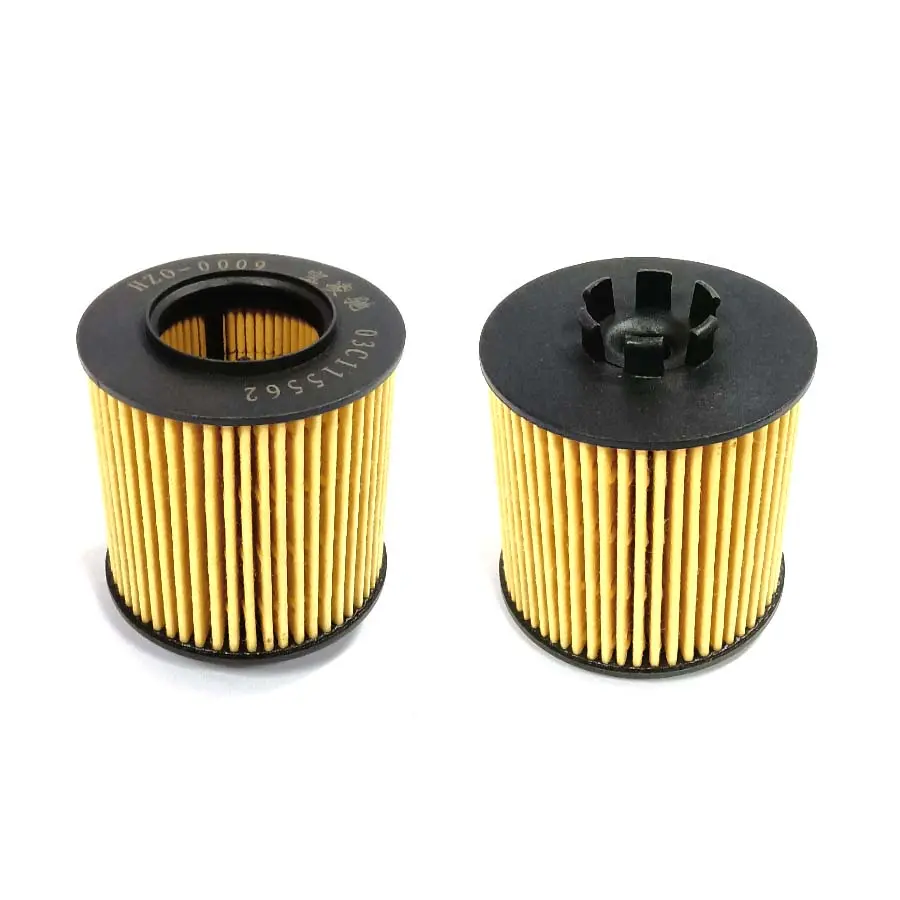
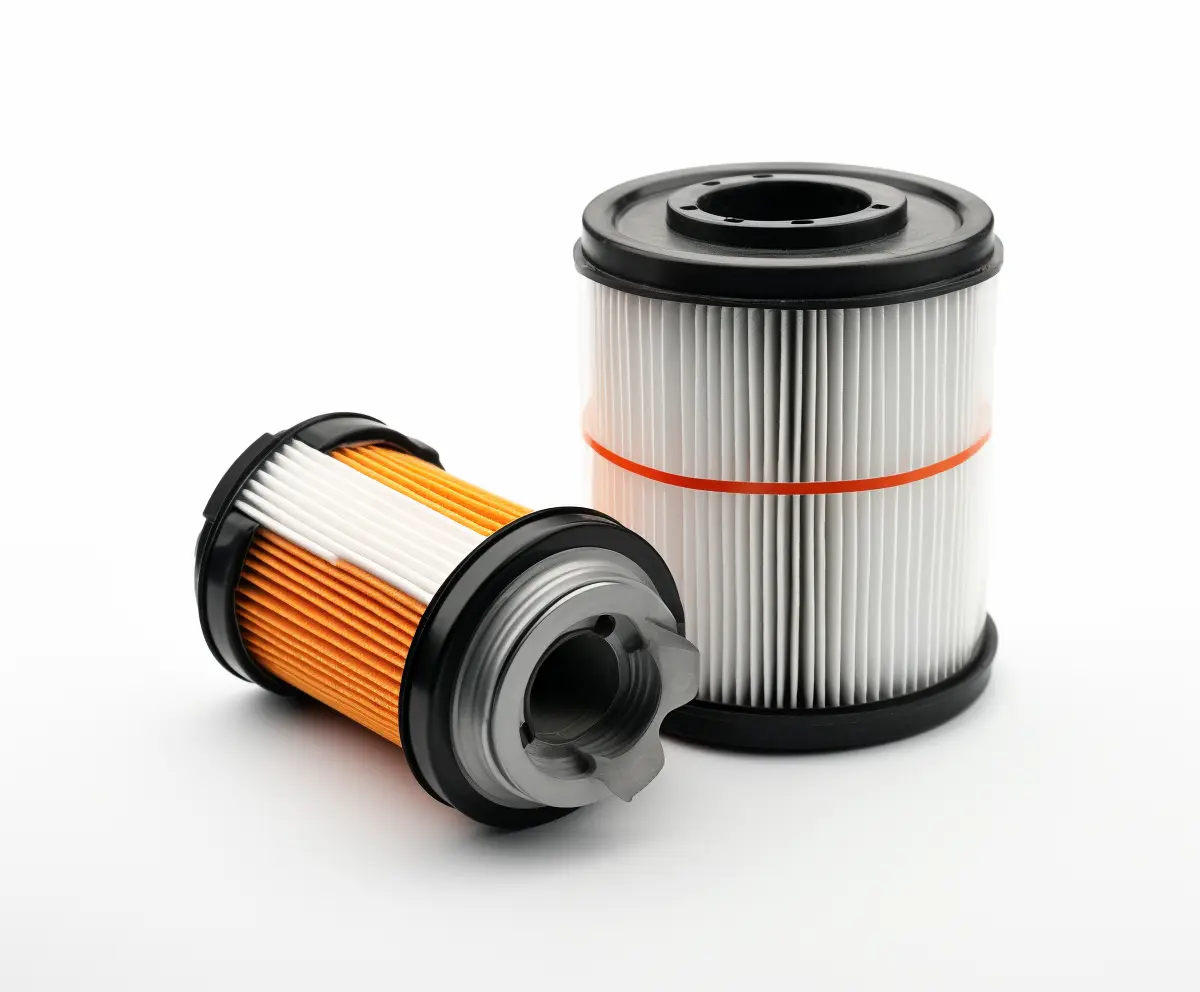
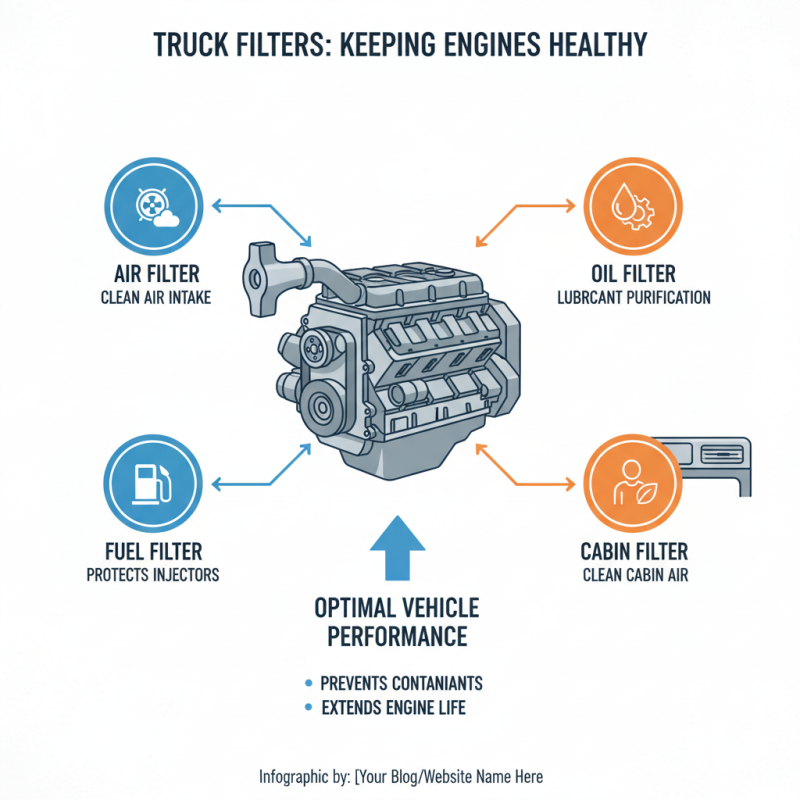
Truck filters are crucial for maintaining optimal vehicle performance. They play a significant role in ensuring that your engine runs smoothly and efficiently. Various filters, such as oil, air, fuel, and cabin filters, contribute to this function. Each type serves a unique purpose, helping to keep contaminants out and extend the life of your truck.

Regular maintenance of these filters can greatly enhance performance. Dirty filters force your engine to work harder, leading to inefficient fuel consumption and increased wear. Change air filters to improve airflow. This simple step can boost horsepower and fuel efficiency. It’s also wise to check fuel filters regularly to avoid clogging.

Here’s a tip: Monitor your engine’s performance and listen for unusual noises. If you notice a drop in power or efficiency, it may be time to inspect or replace your filters. Filters that are neglected can result in costly repairs. Pay attention to your truck’s specific needs, as drivers often overlook the significance of quality filtration. Keeping filters in check is a key skill for any truck owner.

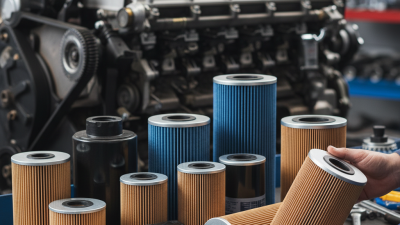
Types of Truck Filters and Their Unique Functions

When considering truck performance, filters play a crucial role. Various types of filters ensure the engine and related systems operate efficiently. Understanding their unique functions can lead to better maintenance and longevity of your vehicle. Key filters include air filters, oil filters, fuel filters, and transmission filters. Each type contributes to the overall health of the truck.

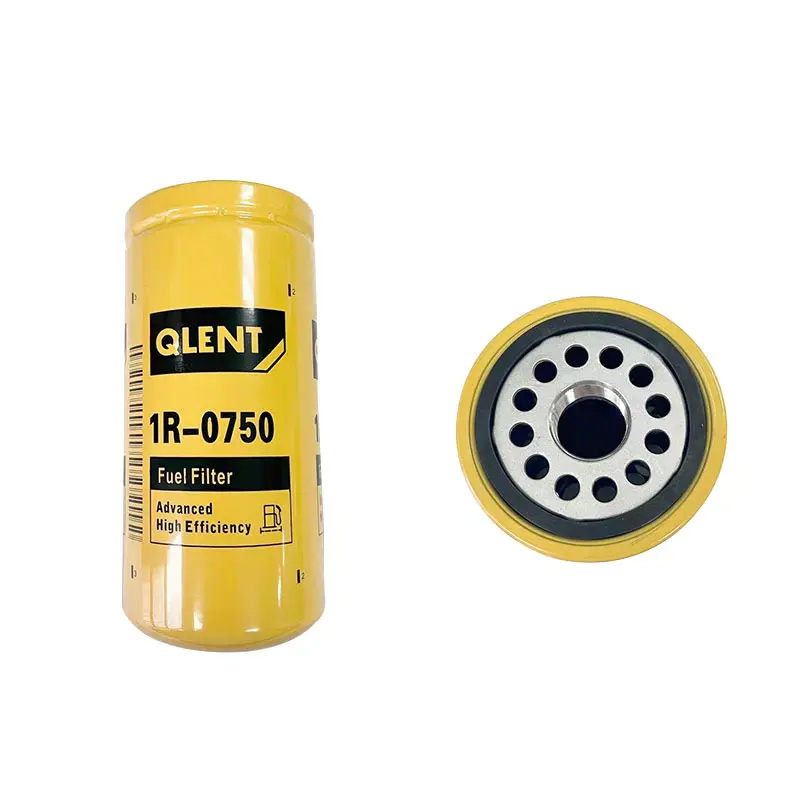
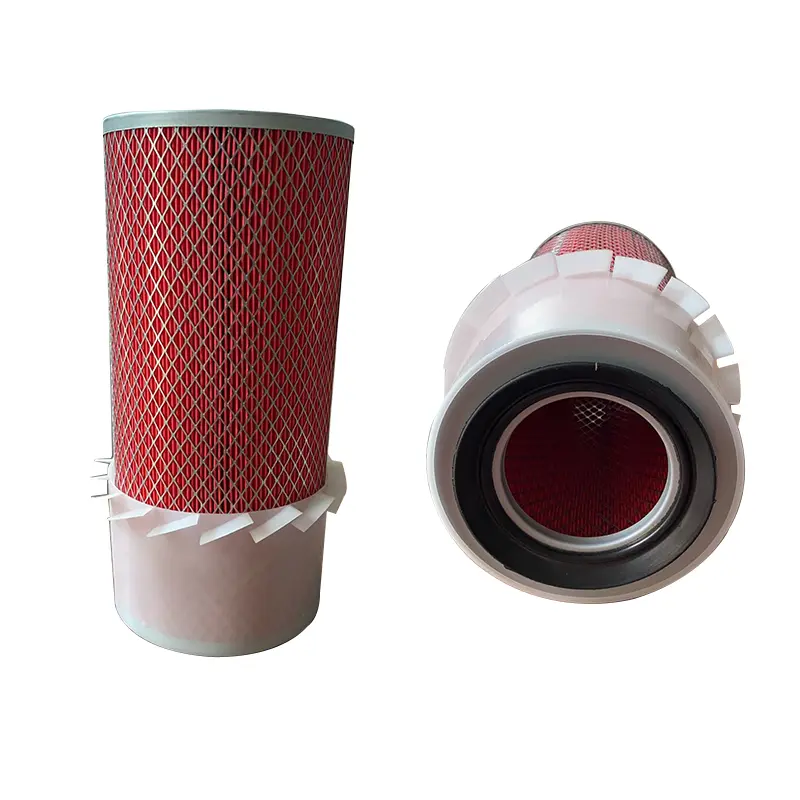
Air filters prevent contaminants from entering the engine. A clean air filter can improve fuel economy by up to 10%. Oil filters remove impurities from engine oil, ensuring smoother operation. Reports suggest that changing an oil filter regularly can increase engine life significantly. Fuel filters are essential for protecting the fuel injectors from debris. Regular replacement prevents clogs and poor engine performance.

Tips: Always inspect your filters during routine maintenance checks. A neglected filter can lead to unnecessary repairs. Keep an eye on fuel efficiency; a sudden drop may indicate a clogged fuel filter. Additionally, refer to your truck’s manual for specific replacement intervals to maximize performance. Remember, maintaining your filters is a proactive approach to optimize your truck's function.

Top 10 Truck Filters for Optimal Performance

How to Choose the Right Filters for Your Truck Model

Choosing the right filters for your truck model can significantly impact performance and longevity. According to industry data, using the appropriate air and oil filters can boost engine efficiency by up to 10%. Filters play a crucial role in maintaining clean airflow and ensuring proper lubrication. This directly affects fuel economy and emission levels, essential factors for today's environmentally-conscious drivers.

When selecting filters, consider the specific needs of your truck model. Certain trucks require heavier-duty filters due to their operational demands. Research indicates that inadequate filtration can lead to lower fuel efficiency and increased wear on engine components. In fact, poor oil filtration can reduce engine life by up to 25%. Always refer to manufacturer specifications to avoid mismatched filters that could jeopardize performance.

Understanding the filter types is vital. For instance, particulate filters are essential for trucks used in dusty environments. They trap harmful particles, safeguarding the engine. Regular maintenance and timely filter changes are not just suggestions; they are requirements for optimal truck operation. Data shows that trucks with well-maintained filtration systems experience fewer breakdowns. However, many owners overlook these details, leading to unnecessary repairs and increased costs over time.

Top 10 Truck Filters You Need for Optimal Performance

Filter Type Benefits Recommended Change Interval Compatibility
Oil Filter Removes contaminants from engine oil to ensure optimal lubrication. Every 5,000 to 10,000 miles Most truck models
Air Filter Prevents dirt and debris from entering the engine for improved performance. Every 15,000 to 30,000 miles Most truck models
Fuel Filter Filters out impurities from the fuel before it enters the engine. Every 10,000 to 20,000 miles Diesel and gasoline trucks
Transmission Filter Helps keep transmission fluid clean for smoother shifting. Every 30,000 to 50,000 miles Automatic transmissions
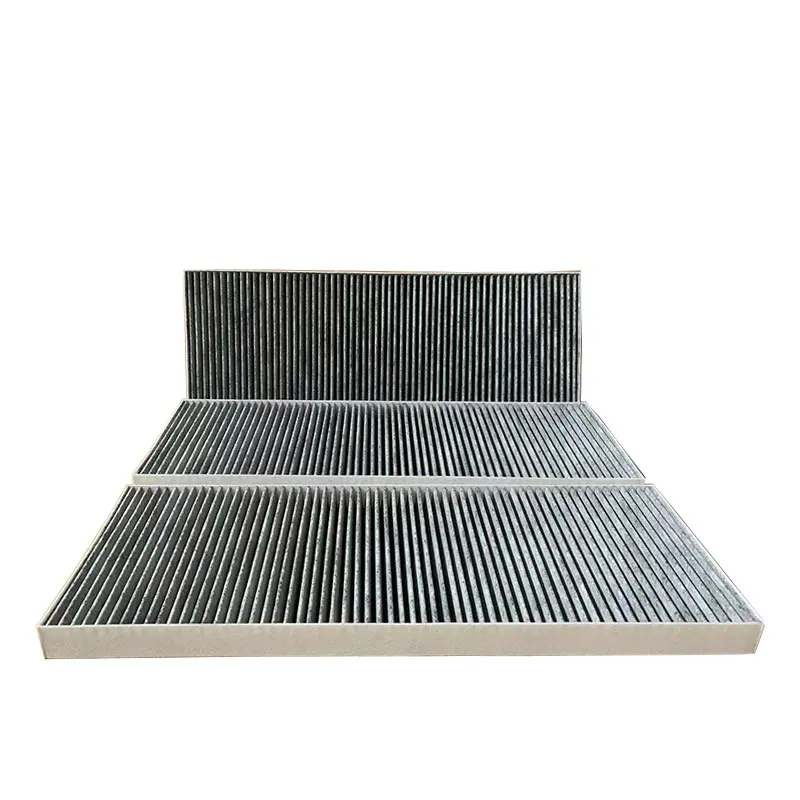
Cabin Air Filter Filters dust, pollen, and other allergens from the air inside the cabin. Every 15,000 miles Most truck models
Exhaust Filter Removes harmful particles from exhaust gases to reduce emissions. Every 100,000 miles Diesel trucks
Hydraulic Filter Keeps hydraulic fluid clean for better operation of hydraulic systems. Every 5,000 to 10,000 miles Specialized trucks with hydraulic systems
Coolant Filter Removes contaminants from the coolant, improving engine cooling efficiency. Every 50,000 miles Most truck models
Power Steering Filter Filters out debris and contaminants from the power steering fluid. Every 30,000 miles Most truck models
Breather Filter Allows ventilation for the crankcase while filtering out contaminants. Every 30,000 miles Most truck models

Maintenance Tips to Ensure Longevity of Truck Filters

Top 10 Truck Filters You Need for Optimal Performance?

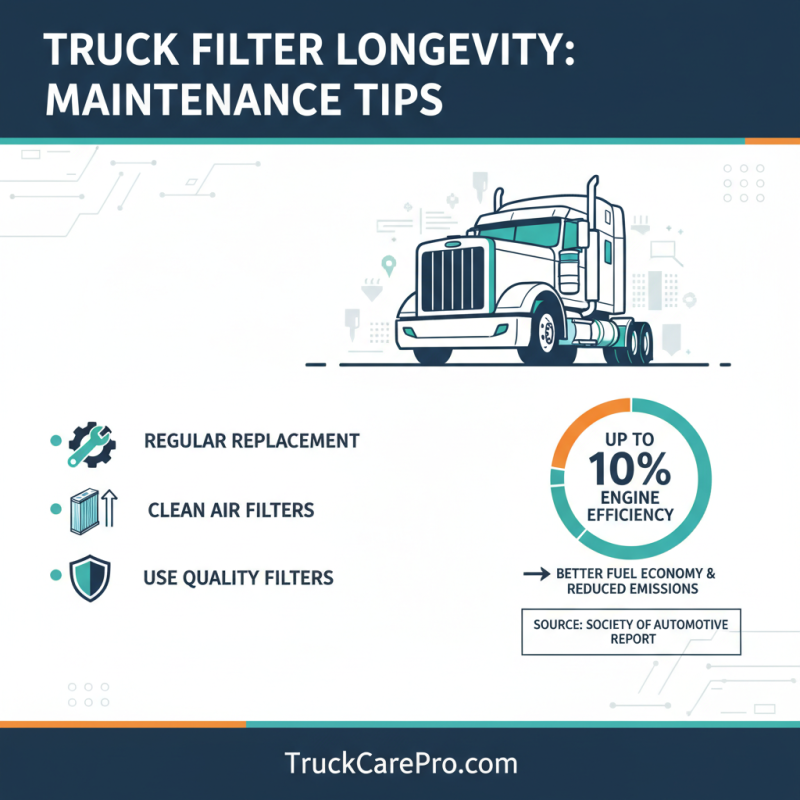
Maintaining optimal truck performance requires proper care of filters. Regular maintenance can extend their longevity and enhance efficiency. According to a report from the Society of Automotive Engineers, a clean air filter can improve engine efficiency by up to 10%. This translates to better fuel economy and reduced emissions.

Inspection schedules should not be overlooked. Many professionals recommend checking filters every 10,000 miles or with every oil change. Neglect can lead to clogs, reducing airflow and putting extra stress on the engine. Poor maintenance practices significantly increase operational costs, sometimes up to 40% more in repairs.

Using high-quality filters is also essential. However, it’s crucial to remember that even the best filters need replacement. A good rule of thumb is to change them according to the manufacturer's recommendations. Clean filters help maintain proper engine performance. Regular maintenance prevents avoidable complications and promotes a reliable fleet.

Signs That Your Truck Filters Need Replacement

Truck filters play a crucial role in maintaining your vehicle's efficiency. Signs that these filters need replacement can often be subtle yet impactful on performance. Keep an eye out for any unusual sounds when your truck is running. A noticeable increase in engine noise might indicate a clogged air filter. This can strain the engine, leading to reduced power and fuel efficiency.

Another key sign is a drop in fuel efficiency. If your fuel consumption suddenly worsens, it’s time to check your fuel filter. A dirty filter obstructs fuel flow, making the engine work harder. Pay attention to your truck’s acceleration as well. Sluggish performance, especially during starts or climbs, could suggest that the transmission filter is compromised. Ignoring these signs can lead to more severe issues down the road.

Visual checks are essential too. If you find excessive debris in the air filter or a buildup of grime on the fuel filter, it’s time for a change. Look for discoloration or unusual wear. Keeping a maintenance schedule can help avoid unexpected breakdowns. Regularly assessing these filters ensures your truck stays in optimal condition. Don’t overlook the small signs that can lead to bigger problems.