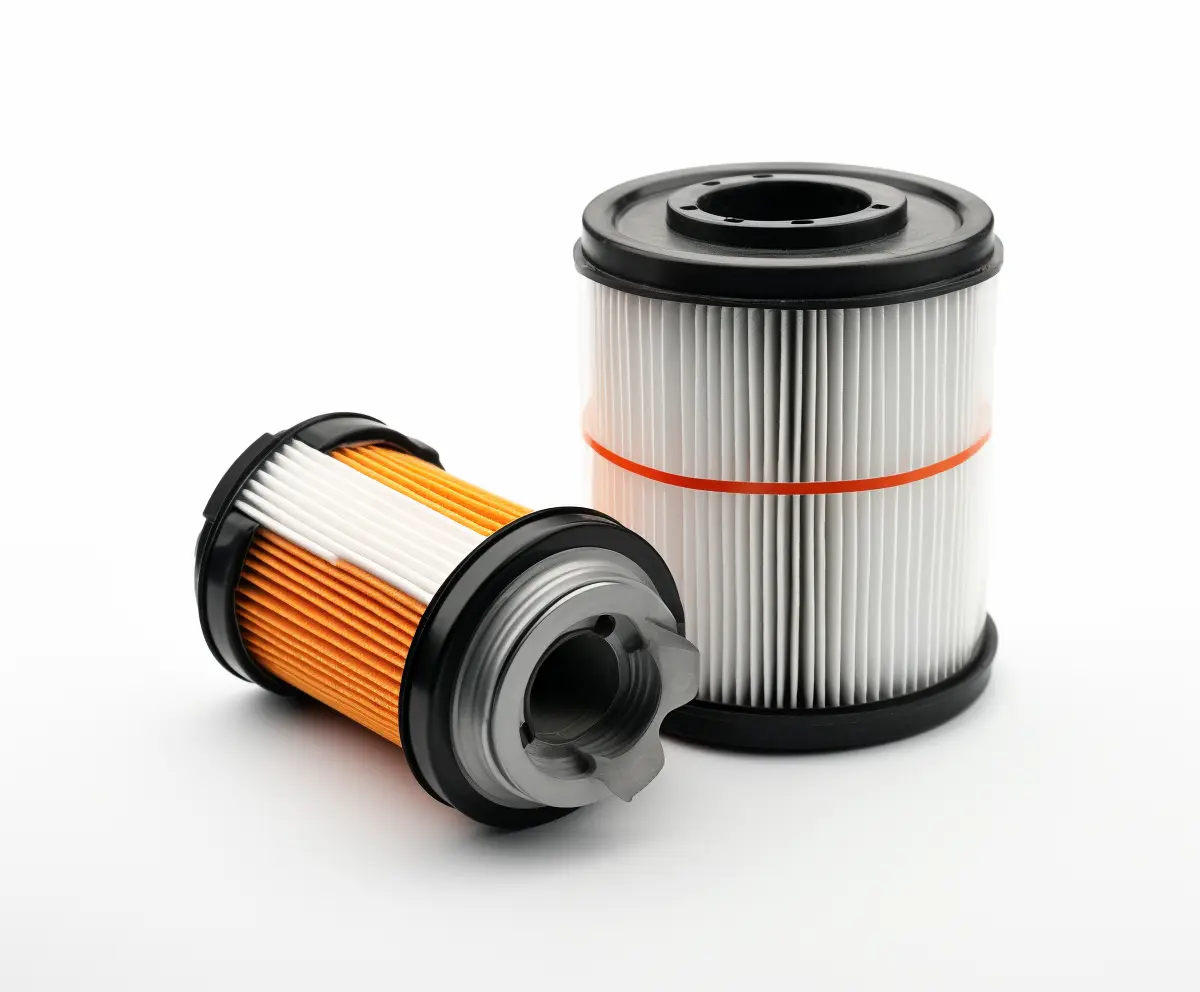
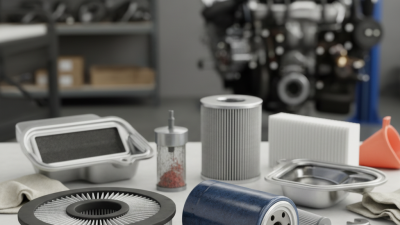
Top Conditioning Filter Manufacturers for Global Buyers
Choosing a Conditioning Filter manufacturer involves more than comparing prices or browsing product photos. Buyers need filters that fit their equipment, operating conditions, and maintenance plans. A mismatch can restrict airflow, shorten service intervals, or create avoidable replacement costs. Small details matter.
This guide introduces manufacturers serving global buyers and the practical questions worth asking before requesting a quotation. Compare stated filtration efficiency, pressure drop, dimensions, media type, and operating limits. Check whether product data sheets explain test methods and conditions, rather than presenting a rating without context. Ask about sample availability, custom specifications, packaging, lead times, and communication during after-sales support. Clear answers are useful evidence. Broad promises are not.
Manufacturers vary in production scale, product range, and documentation. One supplier may suit standard HVAC replacements, while another may handle specialized industrial requirements. The right choice depends on the application, order volume, delivery destination, and acceptable verification process. Buyers should confirm that samples and technical documents match the products offered for shipment. This step takes time, and it can feel repetitive. Still, skipping it may leave important questions unresolved. No supplier is the best fit for every project. A careful comparison can help purchasers identify credible options, spot gaps in available information, and make a decision grounded in requirements rather than marketing language.
What Conditioning Filters Are and How They Work
A conditioning filter helps keep a working fluid usable by trapping particles or, in some designs, reducing moisture. These filters serve hydraulic, lubrication, and process systems, where debris can wear pumps, valves, and close-fitting surfaces. The exact task depends on the filter media and the fluid.
Not quite.
Some elements capture solids only; others address water or particular contaminants.
As fluid passes through the element, contaminants are retained while the cleaned fluid returns to the system. A finer filter can capture smaller particles, but it may also restrict flow sooner.
That trade-off matters.
Operators can monitor pressure drop across the filter and follow the equipment maker’s service limits. A rising pressure drop may signal a loaded element, though readings should be interpreted alongside flow and temperature.
Choosing a filter means checking fluid compatibility, operating pressure, flow rate, and the required cleanliness level. A filter that fits the housing may still be unsuitable for the fluid or duty cycle.
Small details matter.
For example, a seal that is incompatible with the fluid can allow bypass or leakage. Inspection also deserves care: an element that looks clean is not necessarily performing well, and replacement intervals may need adjustment when operating conditions change.
Common Conditioning Filter Types and Their Applications
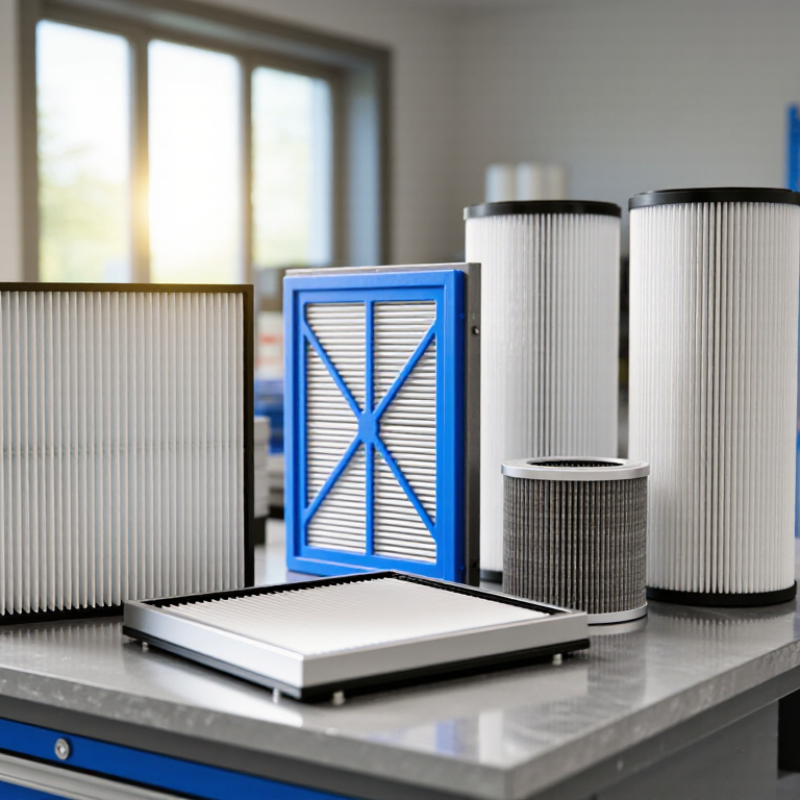
Conditioning filters help control contaminants before fluid or air reaches sensitive equipment. Particulate filters capture rust, scale, and other suspended solids. They are common in compressed-air lines, hydraulic circuits, and process-water systems. Coalescing filters combine tiny liquid droplets, making them useful for removing oil mist or water from compressed air. Activated-carbon filters reduce odors and certain organic compounds, often in air treatment or water polishing. Membrane filters can provide finer separation, but their performance depends on the fluid and operating conditions.
Tips: Match the filter media to the contaminant, not just the equipment name. Check flow rate, temperature, pressure drop, and replacement access. A filter that is too fine may restrict flow; one that is too coarse may let damaging particles pass.
For example, a workshop air line may need particulate and coalescing stages, while a water system may use sediment filtration followed by carbon treatment. These combinations are not universal. Confirm the required cleanliness level with equipment specifications and, where possible, sample testing. A detail that is easy to miss: real operating conditions can differ from a clean test setup, so review pressure readings and element condition after installation.
Key Manufacturing Standards and Product Quality Factors
For global buyers, manufacturing standards provide a useful starting point, not a complete quality verdict. ISO 16890 classifies general ventilation filters by particulate removal performance, while ISO 29463 and EN 1822 address high-efficiency filters. The applicable standard depends on the filter’s intended use. Ask manufacturers for test reports that identify the method, sample, and operating conditions.
Look beyond efficiency ratings. Check whether the frame stays square, the media is evenly pleated, and seals remain continuous at the corners. These details affect bypass leakage and pressure drop. A filter that captures particles well may still perform poorly if airflow is restricted or the gasket is uneven. Small leaks matter. Ask how incoming materials, production batches, and finished units are inspected. Clear lot records make defects easier to trace.
Reliable documentation should match the product being shipped, not just a similar model. Buyers can compare airflow, pressure-drop data, dimensions, and test conditions across suppliers. Packaging also deserves attention: crushed corners or moisture can damage media before installation. A clean certificate is reassuring, but it cannot show every weakness in a production line. Factory audits and sample checks help fill that gap, though neither guarantees flawless consistency. Even careful checks leave some uncertainty.
Leading Conditioning Filter Manufacturers in Global Markets
Leading conditioning filter manufacturers in global markets distinguish themselves through consistent testing, application knowledge, and dependable production—not catalog size alone. Buyers should compare particle-efficiency ratings, pressure drop, dust-holding capacity, and frame sealing. A filter that fits poorly can let air bypass the media, even when its rating looks impressive.
The IEA estimates that building operations account for about 30% of global final energy use and 26% of energy-related emissions. That makes airflow resistance a practical purchasing concern: overly restrictive filters may increase fan energy use. Ask manufacturers for test data under a recognized method, such as ISO 16890 or ASHRAE Standard 52.2, and confirm that the tested size and configuration match your system. The comparison is not perfect; laboratory results cannot capture every site condition.
Tips: Request pressure-drop data at your actual airflow, not just a headline efficiency figure. Check dimensions, gasket details, and replacement availability before ordering. Small details matter. I would also review sample filters after installation; paperwork alone can miss a poor seal or uneven pleating.
How Global Buyers Evaluate and Select Suppliers
Global buyers should compare conditioning-filter manufacturers by verified performance, not brochure claims. Grand View Research’s Air Filter Market Size, Share & Trends Report valued the global market at USD 14.3 billion in 2023 and projected 6.9% annual growth from 2024 to 2030. Market growth raises the stakes, but it does not prove any supplier’s quality. Request test reports that identify the exact filter media, dimensions, airflow, and pressure drop. Check that efficiency claims follow a recognized method, such as ISO 16890 or ASHRAE Standard 52.2. A certificate for a similar model is not enough.
Supplier evaluation should also cover batch traceability, production capacity, packaging, and replacement-part availability. Ask how the manufacturer handles a failed inspection and whether production samples match approved test results. A clear answer matters. So does a realistic delivery schedule. One point is easy to overlook: a low purchase price may hide higher energy costs if pressure drop is excessive. Compare the full operating picture, not just the unit price.
Tips: Send the same specification sheet to every candidate. Ask each supplier to state test conditions and quote lead times in writing. Then compare the evidence side by side.

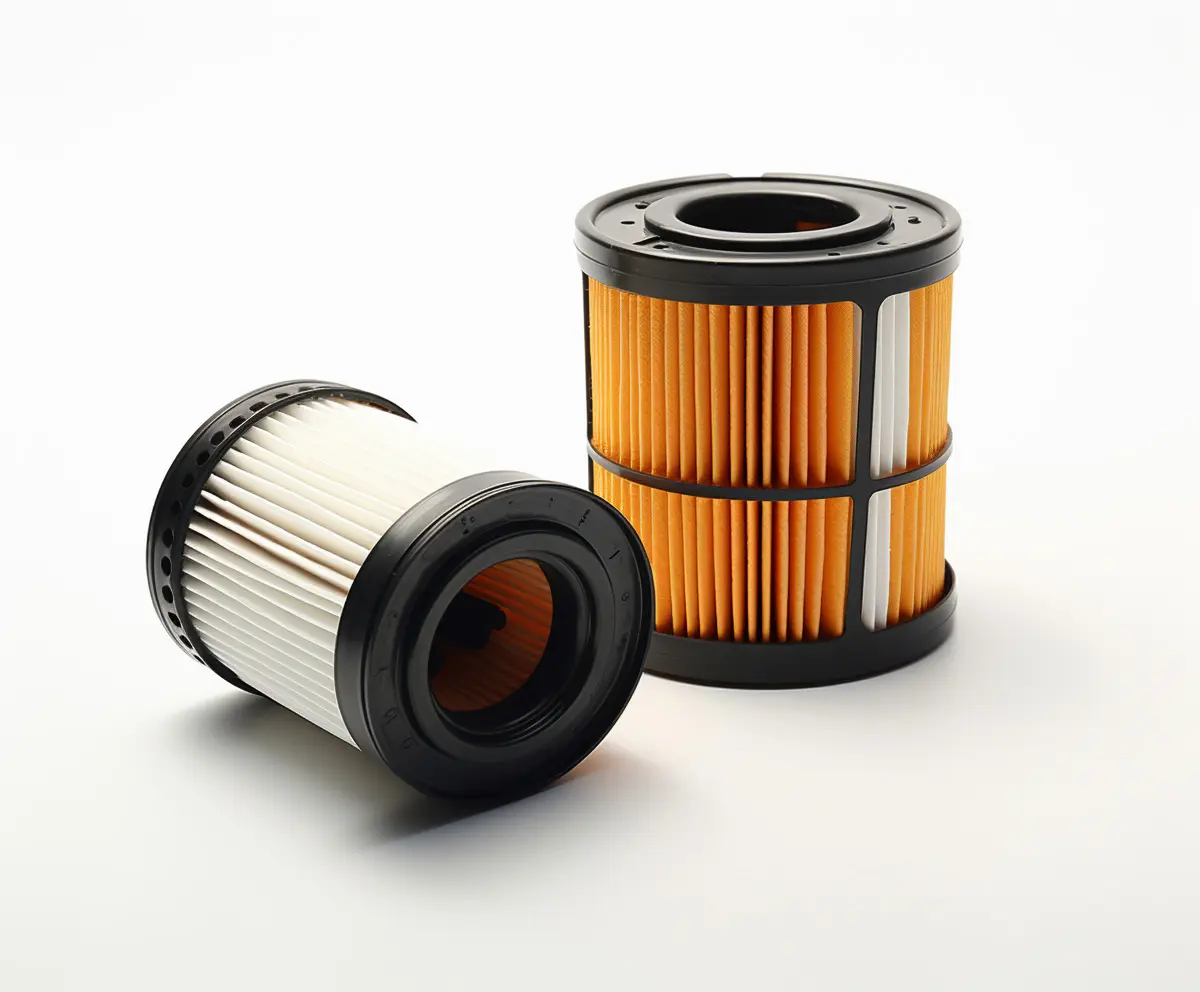 Products
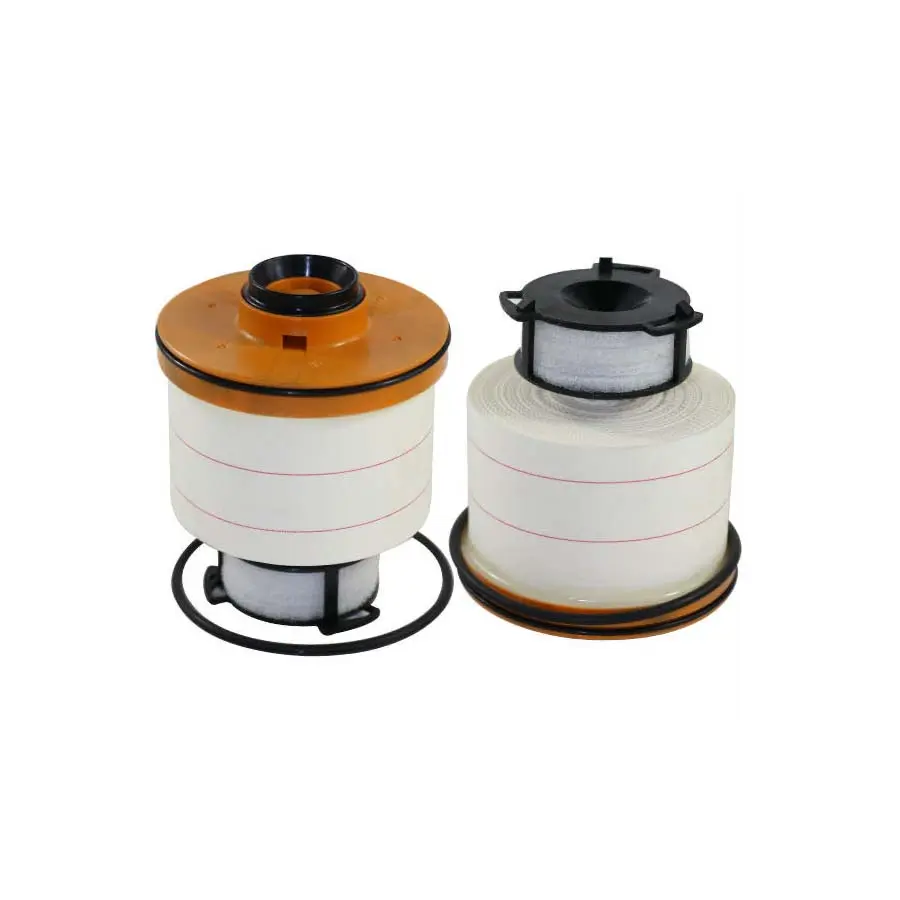 FUEL FILTER
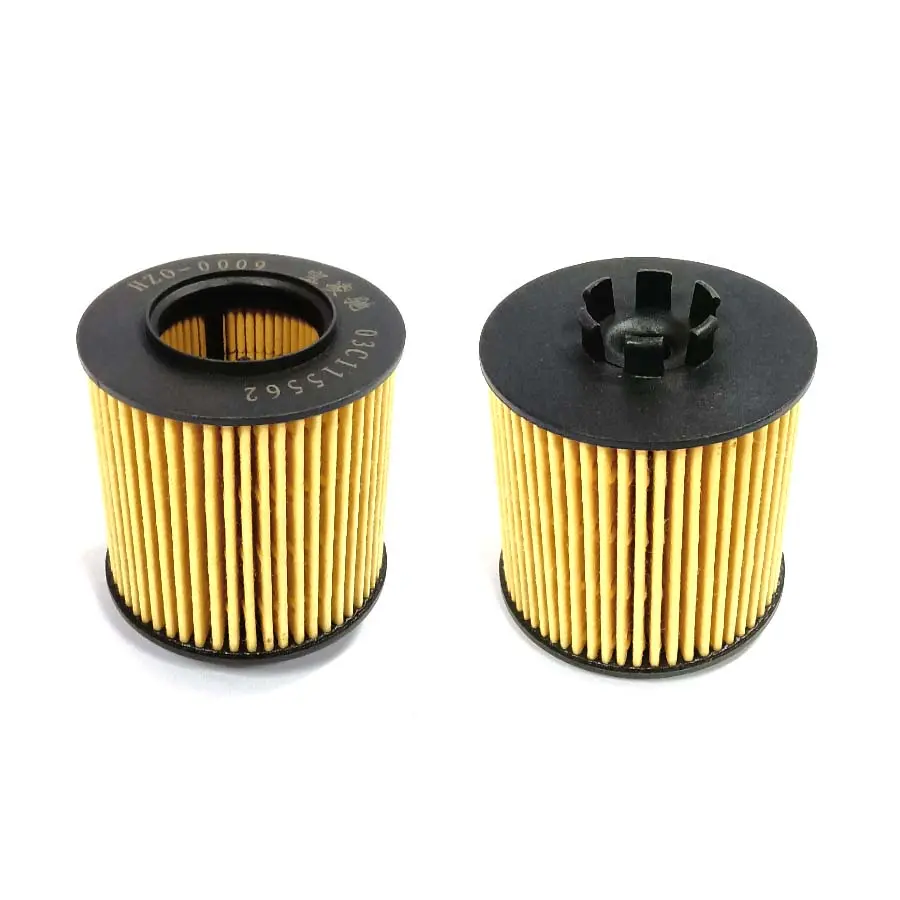 OIL ELEMENT FILTER
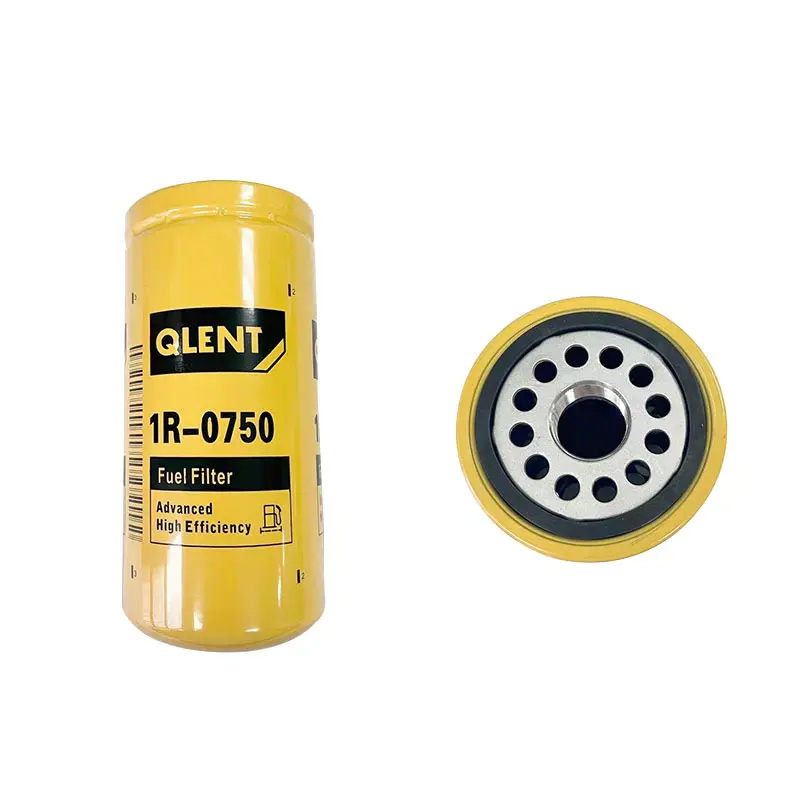 OIL FILTER
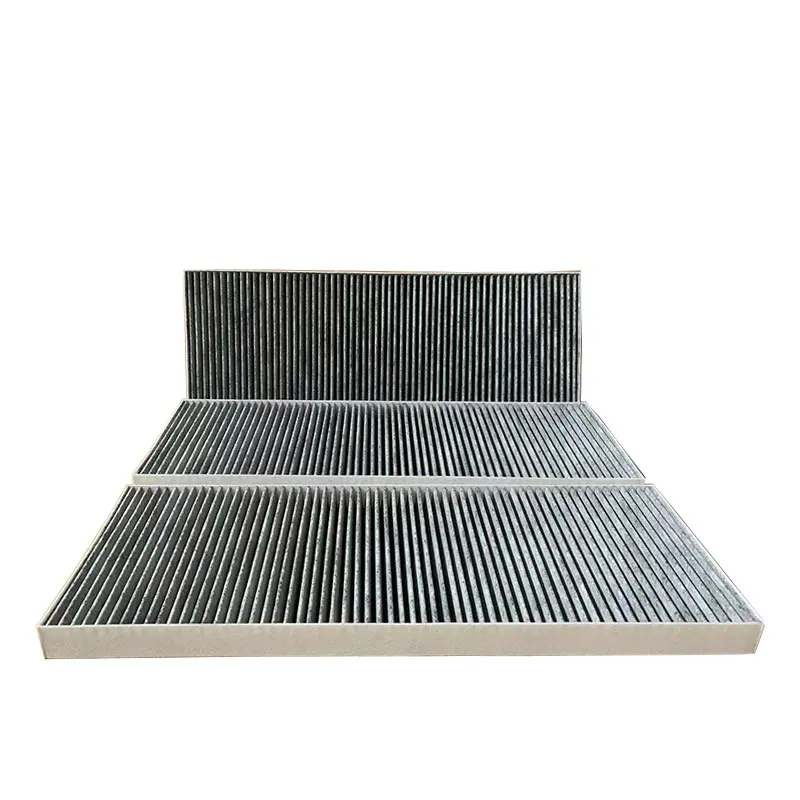 CABIN FILTER
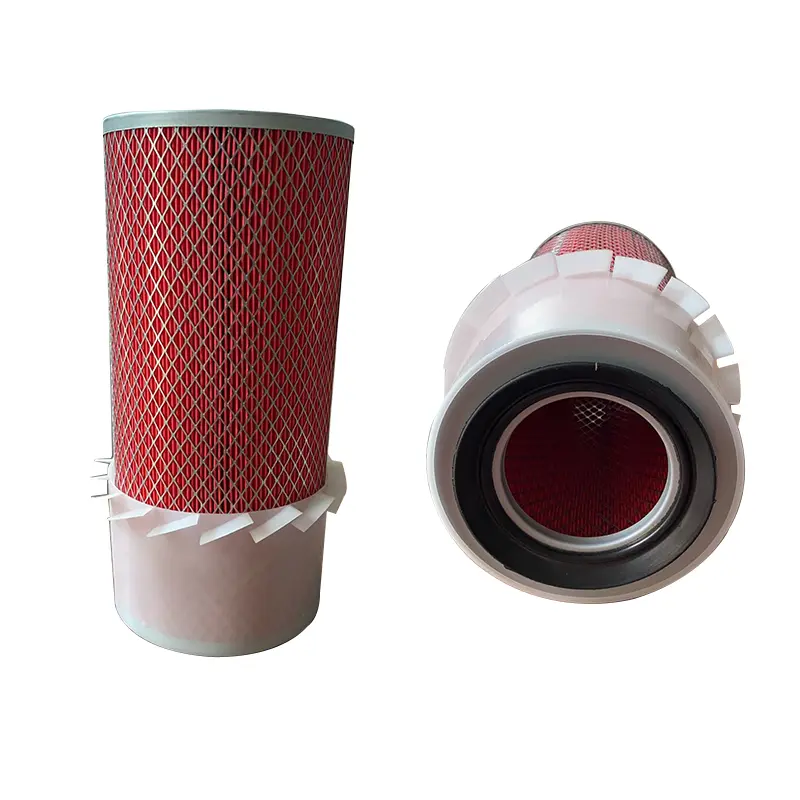 AIR FILTER