How to Choose the Right Car Air Filter for Your Car
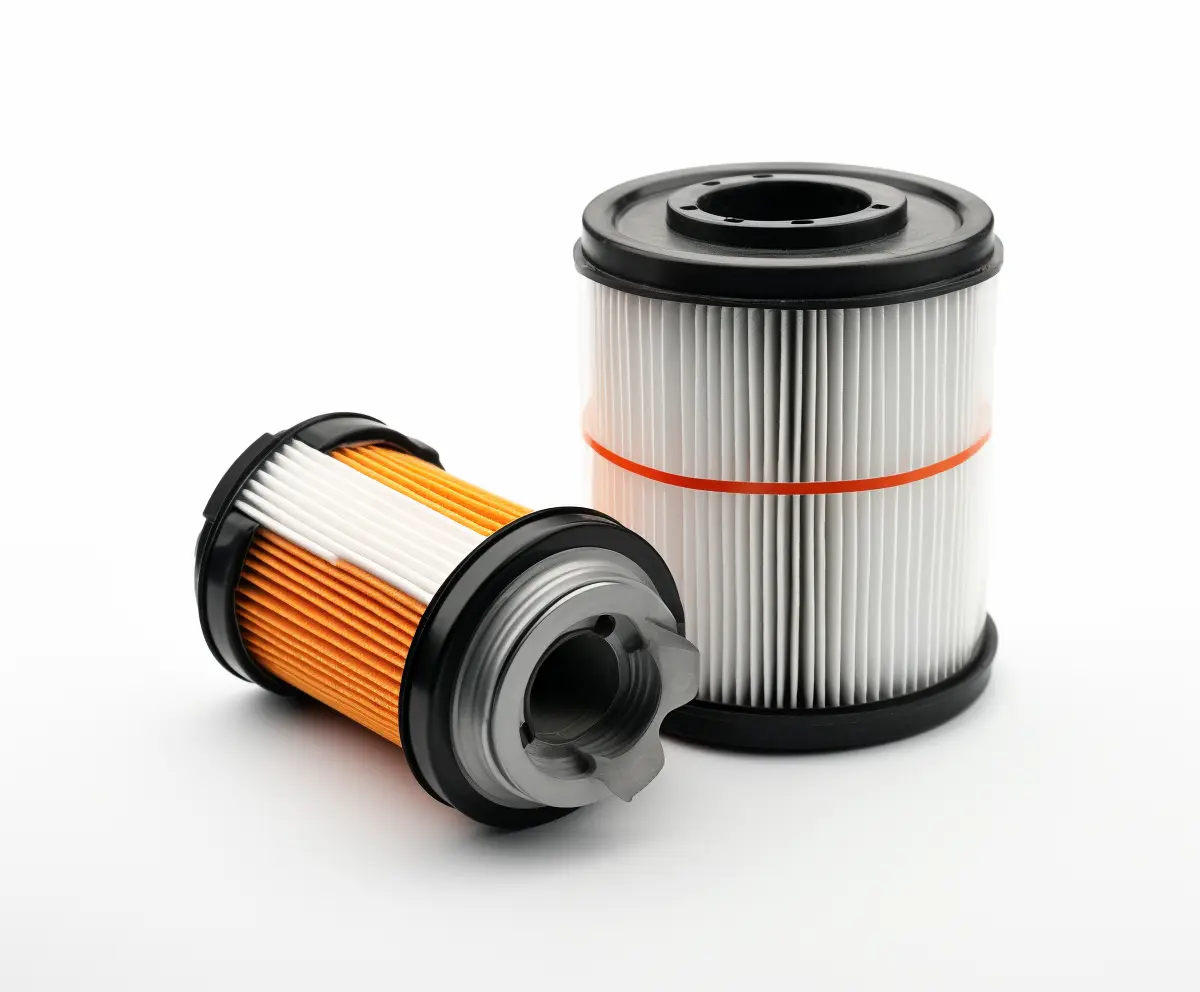
Choosing the right Car Air Filter is a small decision with noticeable effects on engine performance, fuel use, and driving comfort. A filter sits quietly behind the airbox, catching dust, pollen, insects, and fine road debris before they enter the engine. When it becomes clogged, acceleration may feel slower, the engine may sound strained, and fuel economy can gradually decline.
Mike Calkins, a longtime automotive technical expert with AAA, explains, “A clean air filter helps an engine breathe efficiently.” That principle is simple, but selecting the correct filter requires more care. Your vehicle’s model, engine size, driving environment, and manufacturer specifications all matter. A filter designed for a compact petrol engine may not suit a turbocharged SUV. It is not always better to choose the most expensive option.
Check the owner’s manual first. Then compare the filter’s dimensions, sealing edge, filtration material, and airflow rating. A properly fitted filter should sit firmly, without bent corners or visible gaps. In dusty rural areas, replacement may be needed sooner than the normal service interval. City driving can also expose the filter to construction dust and traffic pollution.
Some drivers focus only on brand names. That can be misleading. Quality matters more than packaging claims. An inexperienced buyer may also overlook the cabin filter, which protects passengers rather than the engine. This guide will examine practical choices, common mistakes, and inspection clues. Your driving conditions may challenge the standard maintenance schedule. That deserves attention.
Understanding the Role of a Car Air Filter
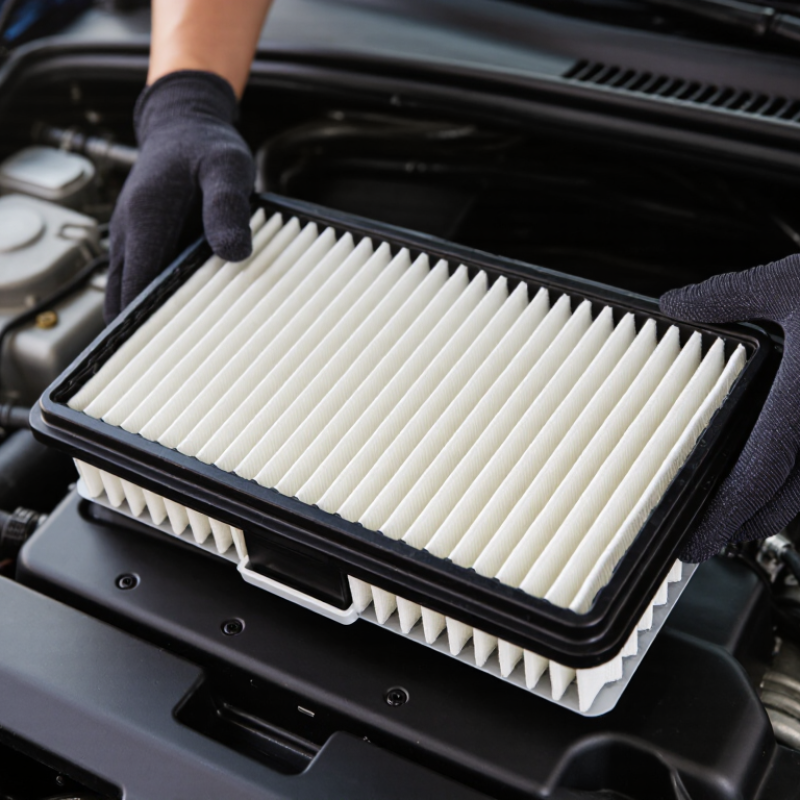
Choosing the right car air filter starts with understanding what it protects.
The engine air filter blocks dust, pollen, insects, and grit before they enter the engine. Clean air supports efficient combustion and helps reduce abrasive wear on internal parts. It also allows the engine to breathe without unnecessary restriction.
Small component. Important job.
I once assumed that a thicker filter was always better. That was too simple. A filter must match the vehicle’s housing, sealing surface, and airflow requirements. Check the owner’s manual for the correct size and specification. Compare the filter’s filtration rating, but do not ignore airflow. Excessive restriction may reduce engine responsiveness. A loose filter can allow unfiltered air around its edges.
The cabin air filter serves a different purpose.
It cleans air entering the passenger area through the ventilation system. A clogged cabin filter may weaken airflow, create unpleasant smells, or fog windows more easily. Engine and cabin filters should not be confused. They often look similar, but their functions differ.
Inspect the filter during routine servicing, especially after driving on dusty roads or through heavy pollen. Replacement intervals are useful guides, not absolute rules. Local conditions matter. When installing one, keep the airflow arrow facing correctly and ensure the cover closes evenly. A rushed installation can undo the filter’s protection.
Checking Your Vehicle’s Air Filter Specifications
Checking Your Vehicle’s Air Filter Specifications
The correct engine air filter starts with exact specifications, not appearance. Check the owner’s manual or the vehicle manufacturer’s service database for the required part number, dimensions, and engine code. Measure the old filter only as a secondary check. A small difference can leave gaps around the sealing edge. That is risky.
Look for filtration efficiency, airflow capacity, and dust-holding performance. ISO 5011 testing measures these factors under controlled airflow and dust conditions. SAE J726 also evaluates air-cleaner restriction and performance. These standards matter because two filters with similar shapes may behave differently. A filter that restricts airflow can affect throttle response, especially during acceleration. One with weak sealing may allow fine dust into the intake system. Dust can feel like flour on the filter pleats.
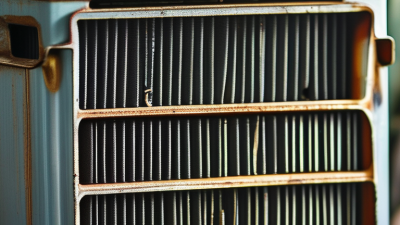
Check the service interval, too. Many schedules use mileage or time, but driving conditions change the result. Construction roads, deserts, heavy traffic, and unpaved streets load filters faster. Inspect the filter under bright light. Replace it when pleats are heavily packed, damaged, oily, or visibly distorted. Do not judge by color alone.
I once underestimated dust buildup because the filter looked clean from above. The underside told a different story. That mistake is easy to repeat. When specifications conflict, verify the engine code and production year before buying. Availability is not proof of compatibility.
How to Choose the Right Car Air Filter: Checking Replacement Intervals
These mileage figures are practical planning references: inspect the engine air filter more often in dusty or off-road conditions. Always confirm the exact filter size, shape, sealing edge, and replacement interval in your vehicle’s owner’s manual.
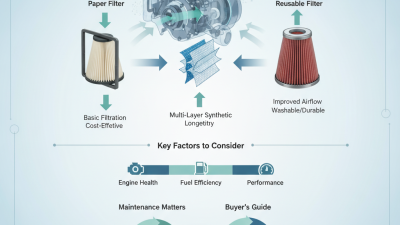
Comparing Filter Types and Filtration Materials
Choosing a car air filter requires more than matching shape and size. Filter material changes airflow, particle capture, service life, and engine protection.
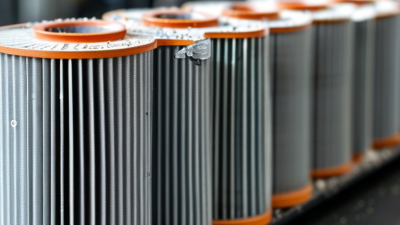
Cellulose filters usually cost less and provide dependable dust capture. Synthetic media often holds more dust while maintaining airflow longer. That advantage matters on gravel roads or in dusty cities. ISO 5011 testing evaluates pressure loss, airflow, and dust-holding capacity for engine intake filters. A filter with extremely fine media may capture smaller particles, but it can also restrict airflow when loaded. Fit matters. A small seal gap can allow unfiltered dust around the media.
Cabin filters serve a different purpose. Standard particle filters target dust, pollen, and road debris. Activated-carbon layers can reduce some odors and gaseous contaminants, but their capacity is limited. HEPA media is tested around 99.97% efficiency at 0.3 micrometers under established test conditions, according to U.S. Department of Energy guidance. That figure should not be transferred blindly to every automotive filter. Vehicle airflow, housing design, and installation change real performance.
The U.S. EPA’s 2023 Integrated Science Assessment for Particulate Matter recognizes PM2.5 as particles small enough to enter deep respiratory regions. This supports choosing effective cabin filtration in heavy traffic. Still, laboratory ratings do not equal daily results. Check the vehicle manual, inspect the gasket, and replace a visibly loaded filter. I sometimes prefer a slightly less restrictive filter, especially where dust loading is severe. That choice needs reflection, not guesswork.
Installing and Maintaining the Right Air Filter
Choosing the right engine air filter matters, but installation matters just as much. A filter should match your vehicle’s specified size, sealing shape, and airflow requirements. The U.S. Department of Energy reports that replacing a severely clogged filter can improve fuel economy by up to 10 percent in some older vehicles. Modern fuel-injected cars may show little measurable improvement, which is an easy detail to overlook.
Before installation, switch off the engine and let the intake area cool. Open the housing carefully, then photograph the old filter’s position. I have seen filters installed backward, with dust already collecting on the clean side. Wipe the housing with a dry, lint-free cloth. Do not push dirt into the intake tube. Seat the new filter evenly, check the rubber seal, and tighten every clip. A small gap can defeat a good filter.
Tips: Inspect the filter every 12,000 to 15,000 miles, or sooner on dusty roads. Follow the vehicle manual because service intervals vary. SAE J726 provides recognized air-cleaner testing methods, but laboratory efficiency does not guarantee perfect fitment in your car. Check for leaves, moisture, or an oily surface during each inspection. If the filter looks clean, replacement may be unnecessary; visual judgment is imperfect, so mileage, driving conditions, and engine symptoms should be considered together.

 Products
 FUEL FILTER
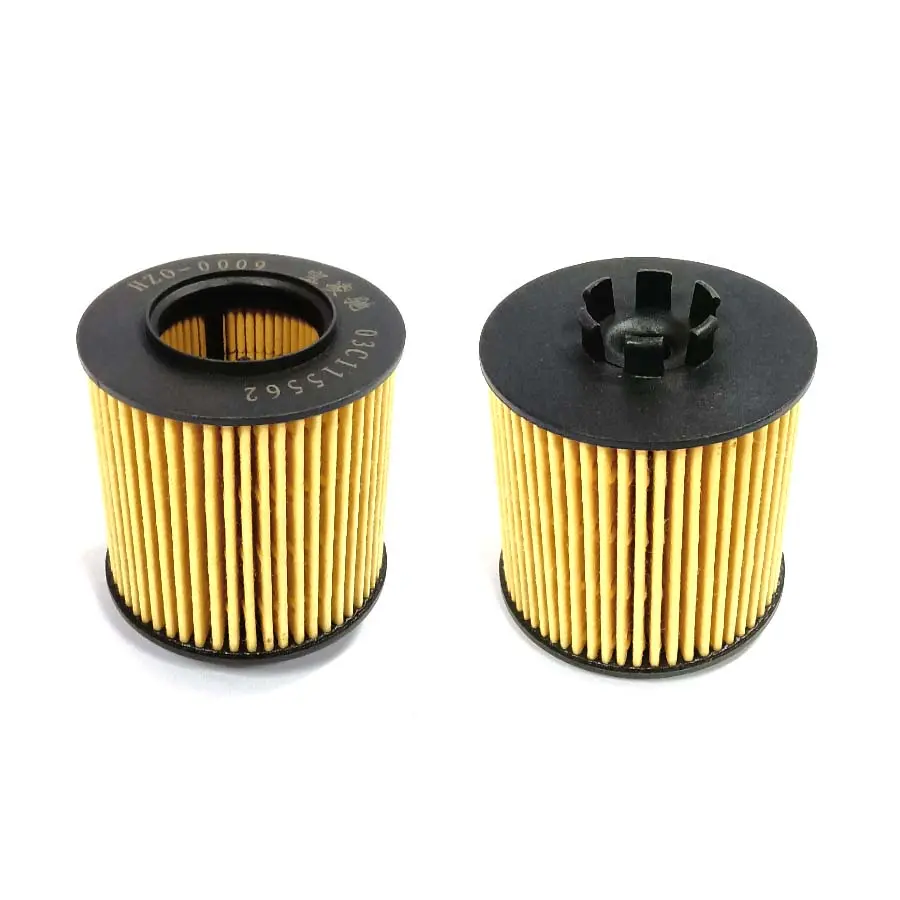 OIL ELEMENT FILTER
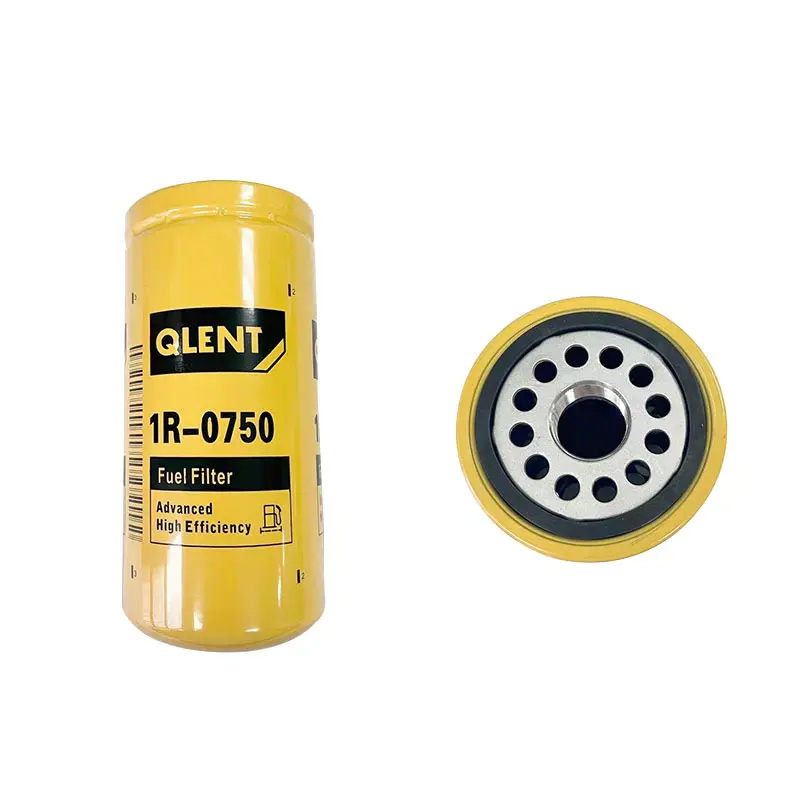 OIL FILTER
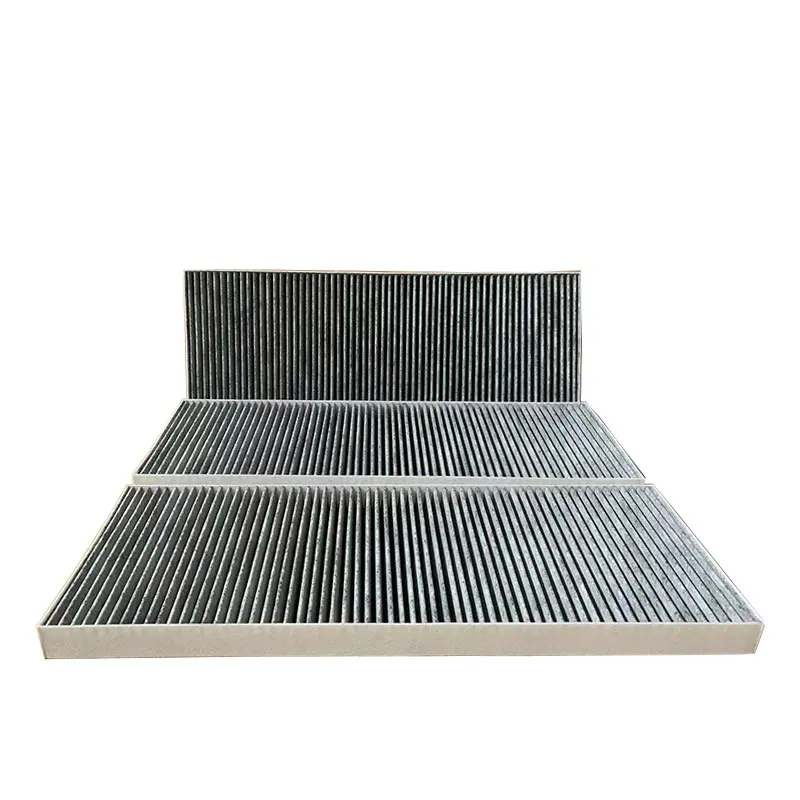 CABIN FILTER
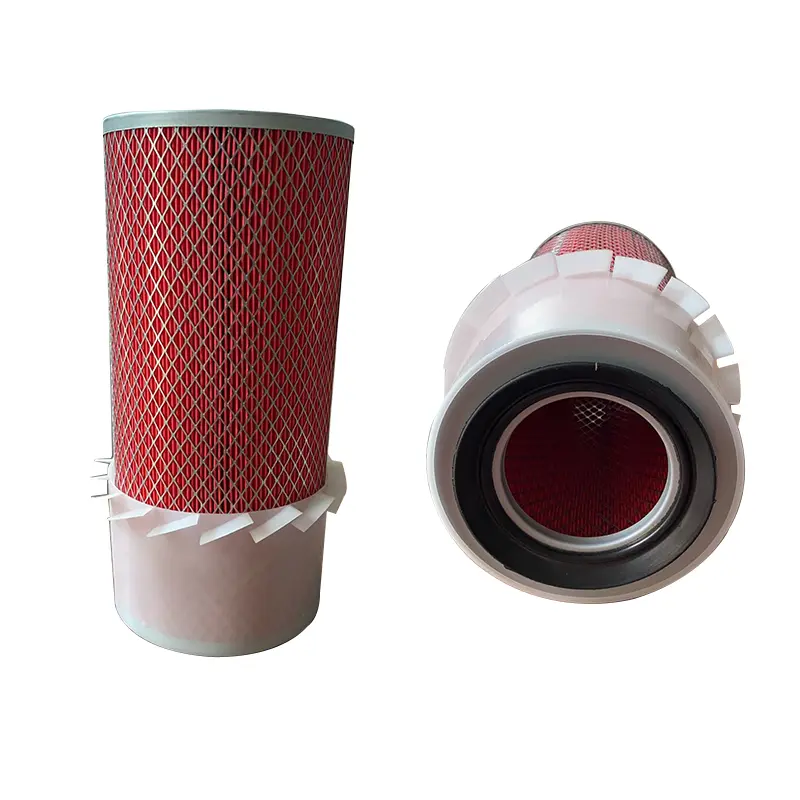 AIR FILTER