How to Find China Best Fuel Filter Suppliers?
Finding China’s best Fuel Filter suppliers requires more than comparing prices on a marketplace. A reliable search begins with application details: diesel or gasoline, flow rate, micron rating, pressure range, thread size, and expected service life. A supplier that cannot answer these basic questions may not understand your equipment.
W. Edwards Deming, a leading quality-management expert, said, “Quality comes not from inspection, but from the improvement of the production process.” His principle applies directly to Fuel Filter sourcing. Ask potential suppliers about media materials, sealing compounds, assembly controls, and batch traceability. Request test reports, factory photographs, sample units, and production videos. Then compare the details carefully.
Look closely.
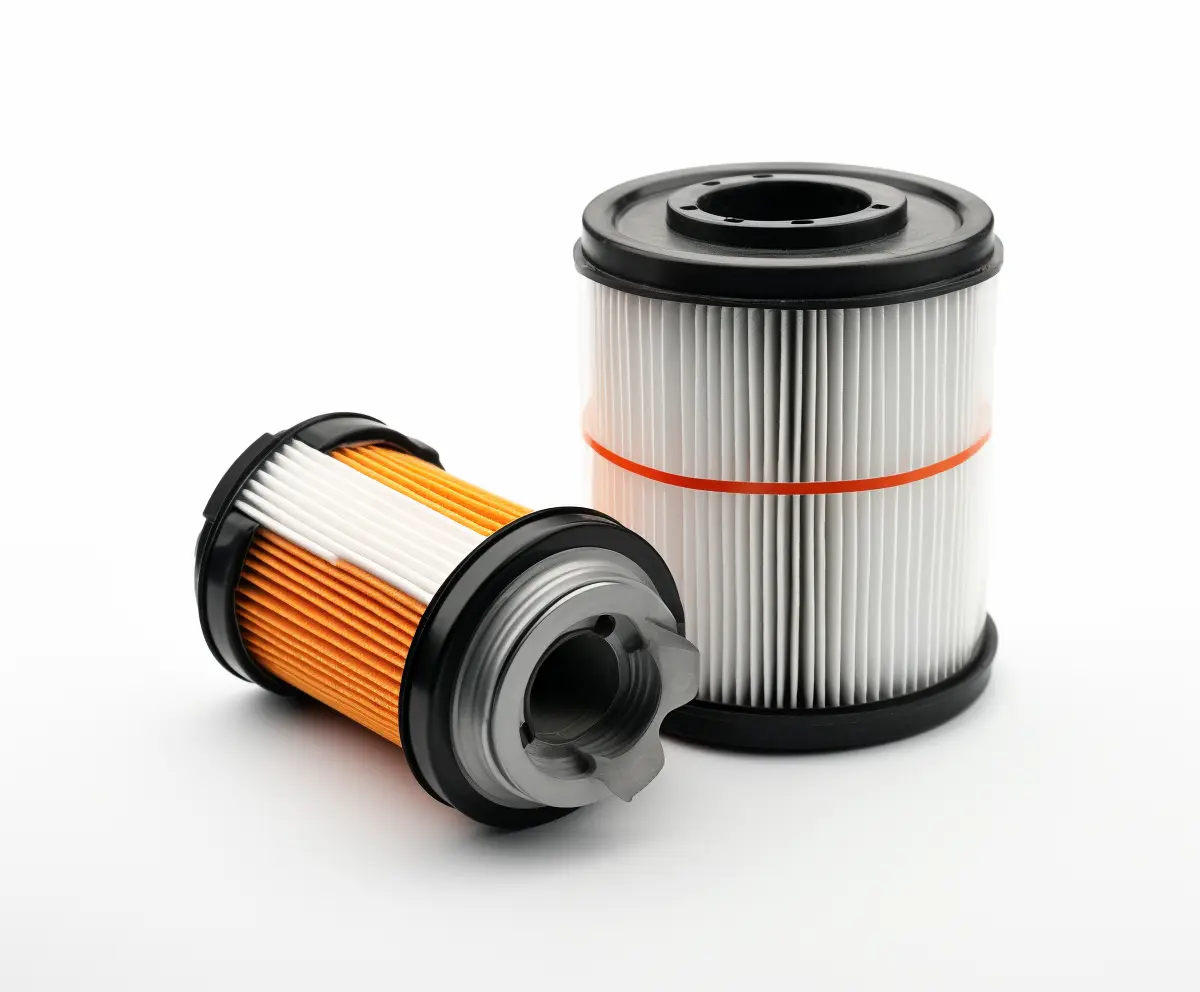
A professional factory should explain how it controls pleat spacing, adhesive curing, and gasket fit. For example, a fuel filter sample may look clean outside but fail after vibration, cold starts, or water exposure. Independent testing can reveal this weakness. It is also useful to inspect certificates, but paperwork alone cannot prove consistent performance.
Experience matters here. Speak with suppliers that serve distributors, truck manufacturers, agricultural machinery companies, or engine-service networks. Their answers should be specific, not promotional. Confirm lead times, minimum order quantities, packaging quality, replacement policies, and communication practices.
No supplier search is perfect. I would still test several samples before signing a large order. A cheaper filter can create expensive downtime. The best Chinese supplier is not always the largest one. It is the partner that combines stable manufacturing, honest documentation, responsive service, and measurable Fuel Filter performance.
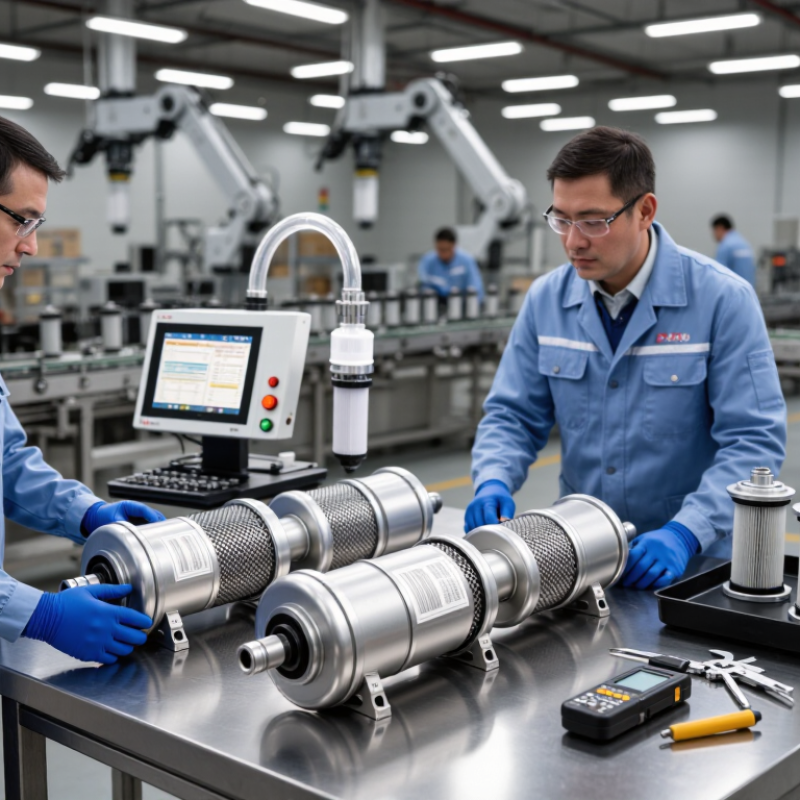
Defining Your China Fuel Filter Sourcing Requirements
Defining Your China Fuel Filter Sourcing Requirements
Before contacting China fuel filter suppliers, define the exact application. Record the vehicle type, engine model, fuel type, operating temperature, and installation position. Measure the filter length, diameter, port size, thread type, and seal dimensions. Small errors can cause leakage or poor fit.
Specify filtration efficiency, flow rate, pressure range, dirt-holding capacity, and expected service life. Ask about filter media, housing material, drainage design, and seal compatibility. Request test reports, dimensional drawings, material details, and batch traceability records. A reliable supplier should explain how these results were obtained. Certification alone is not enough.
Also define your commercial requirements clearly. Include target quantity, acceptable defect rate, packaging, sample approval, production lead time, and inspection procedures. Request a production sample before placing a large order. In practice, a spreadsheet can still miss field conditions. Dust, vibration, and cold starts may expose weaknesses. I would include real operating data whenever possible. It makes supplier comparisons more meaningful, even when the information is incomplete.
Evaluating Chinese Fuel Filter Suppliers and Manufacturers
How to Find China Best Fuel Filter Suppliers?
Evaluating Chinese fuel filter suppliers requires more than comparing unit prices. China’s automotive industry produced 30.16 million vehicles in 2023, according to the China Association of Automobile Manufacturers. This scale supports strong manufacturing capacity and broad component experience. However, capacity does not guarantee stable filtration performance. Ask for factory audit records, production capacity, export experience, and traceable material documents.
Experienced buyers should examine the complete quality system. Check whether the manufacturer follows ISO 9001 or IATF 16949 procedures. Request test results for filtration efficiency, pressure resistance, burst strength, and water separation. ISO 19438 provides useful guidance for evaluating diesel fuel filter performance. Samples should match mass-production materials, seals, pleat density, and connection dimensions. A polished sample can hide inconsistent production.
Tips:
Ask for three recent batch reports. Compare results, not promises. Visit the testing room if possible. Review complaint records and corrective actions. A supplier that explains failures clearly may be more reliable than one claiming zero defects. MarketsandMarkets reports continued growth in automotive filtration demand, driven by vehicle production and stricter emission requirements. Still, forecasts are not proof of supplier quality. I would also check packaging strength, warehouse humidity control, and labeling accuracy. Small details matter. One weakness remains: remote audits can miss daily process discipline. Use independent inspection before shipment when order value is significant.
Checking Product Quality, Certifications, and Production Capacity
Finding China’s best fuel filter suppliers requires more than comparing catalog prices. Start with product quality. Request production samples and inspect the filter media, sealing rings, housing, and threaded connections. A reliable supplier should provide test data for filtration efficiency, pressure resistance, leakage, and service life. Test the samples independently when possible. Factory claims can be incomplete.
Certifications also deserve careful checking. Ask for current certificates, issuing bodies, scope, and matching product models. Confirm that certificate numbers are traceable through official databases. Quality records should include incoming-material inspections, production checks, and final testing. During a factory visit, observe clean assembly areas, calibrated instruments, and clearly labeled storage. Small details matter.
Production capacity can affect your delivery schedule as much as product quality. Review monthly output, shift arrangements, equipment numbers, worker training, and capacity during peak seasons. Ask whether key processes are performed in-house or outsourced. A supplier may promise large volumes but lack enough molding machines or testing stations. I have seen attractive samples fail during larger production runs. That experience makes pilot orders and staged inspections essential. Keep communication written, especially for specifications, tolerances, packaging, and replacement procedures. Mistakes still happen, but transparent records make them easier to identify and correct.

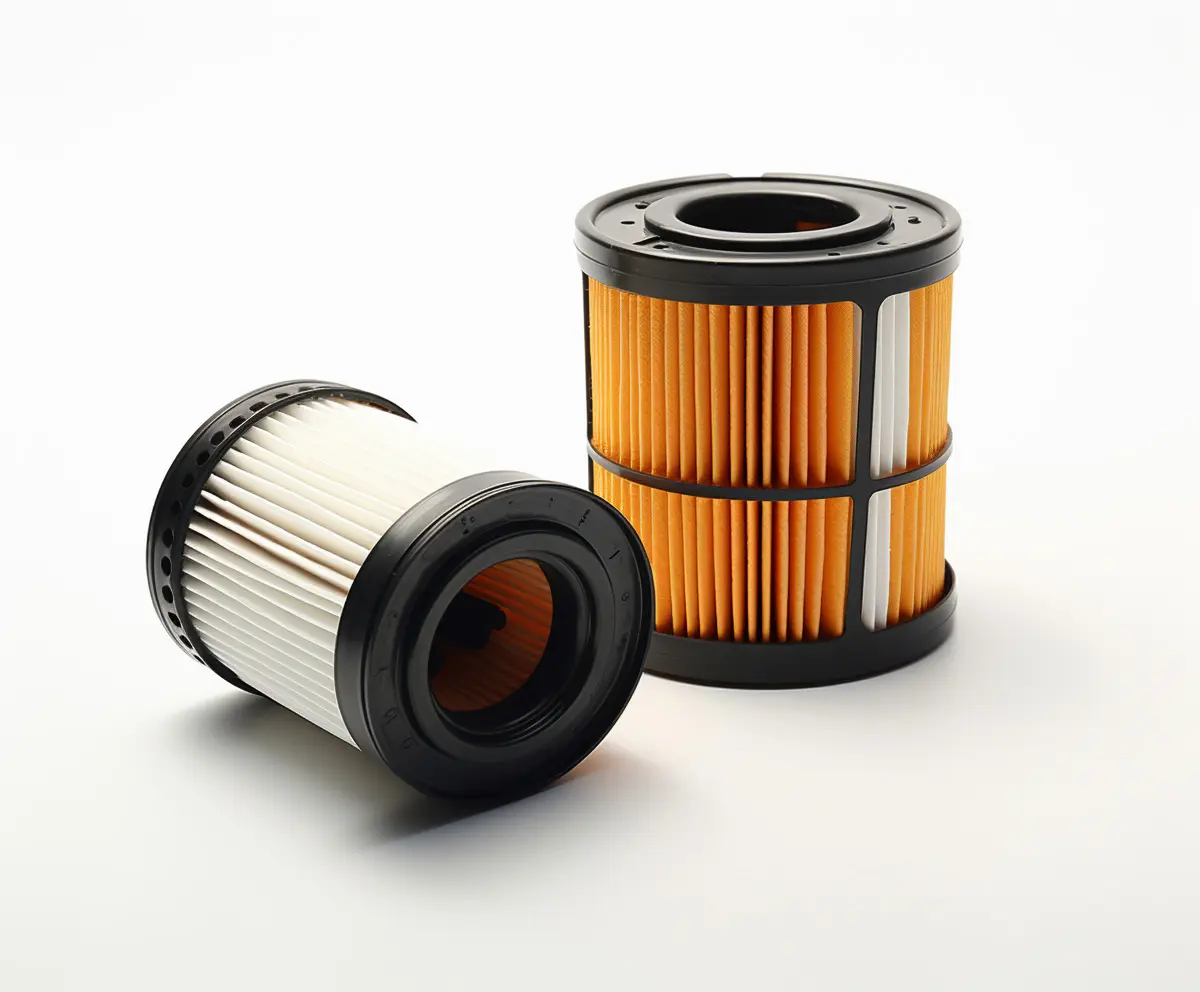 Products
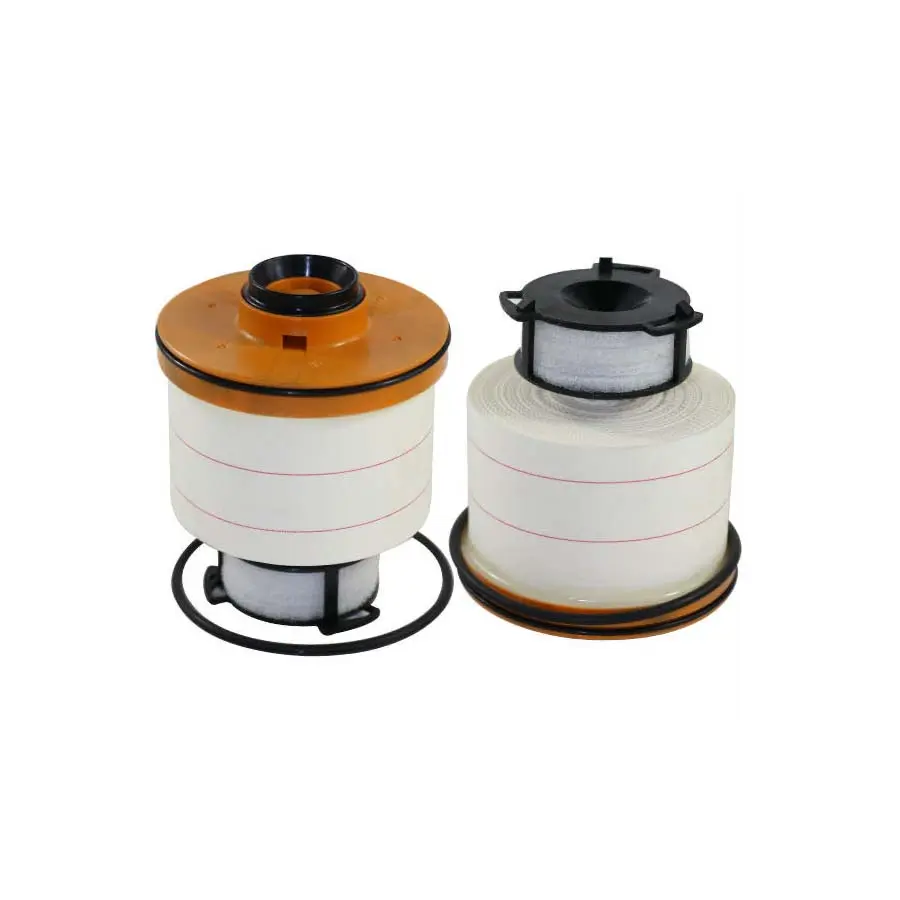 FUEL FILTER
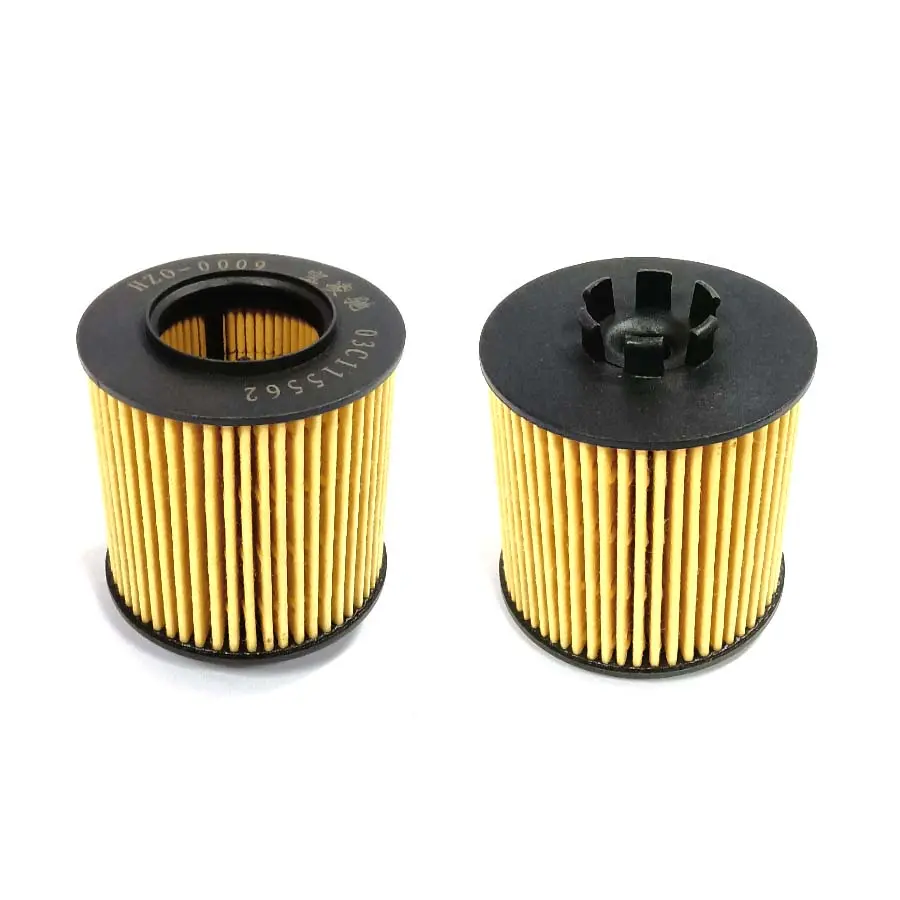 OIL ELEMENT FILTER
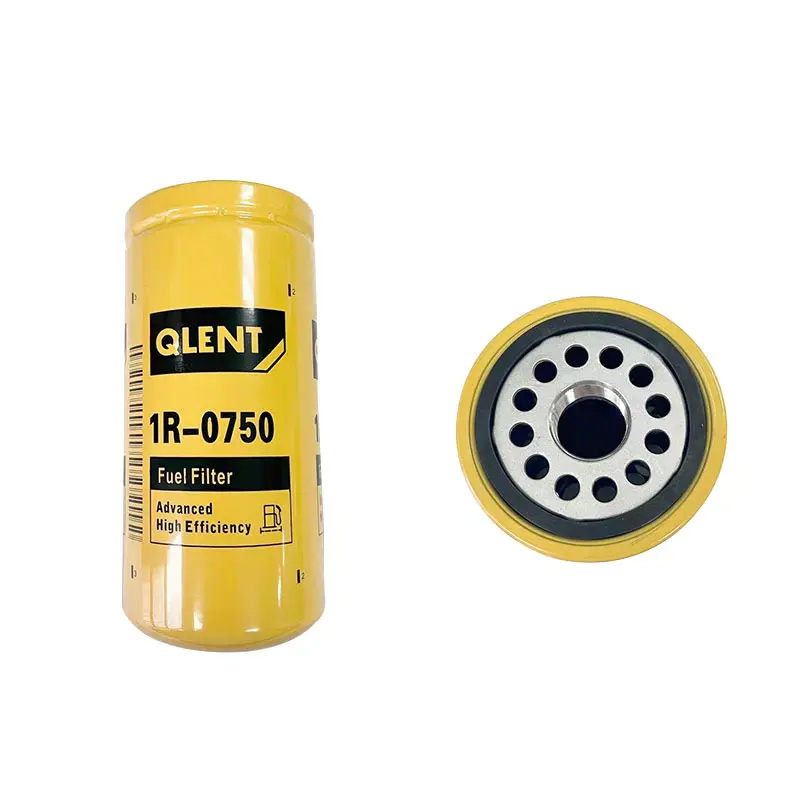 OIL FILTER
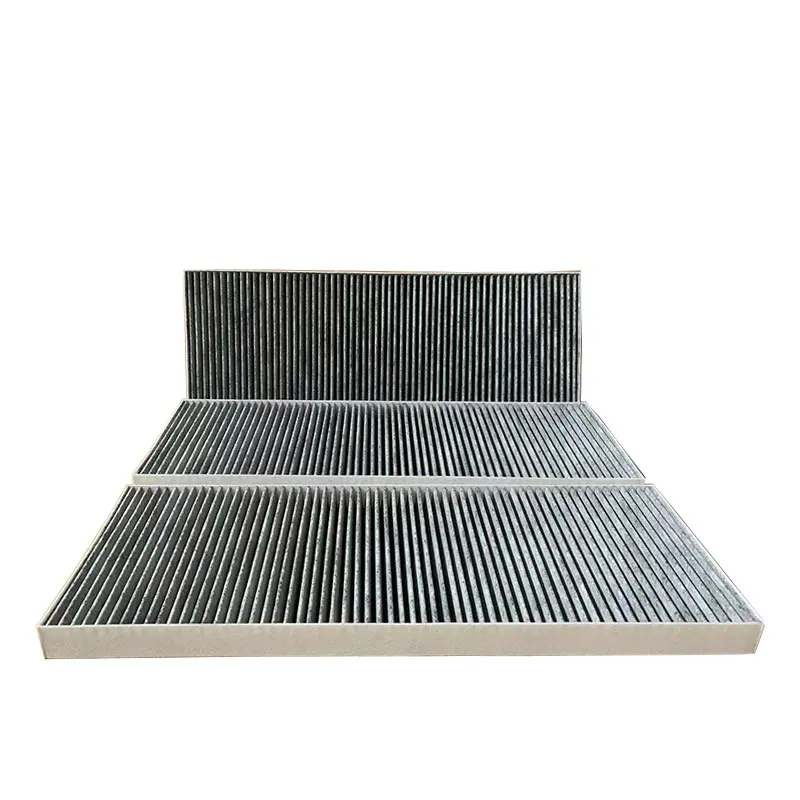 CABIN FILTER
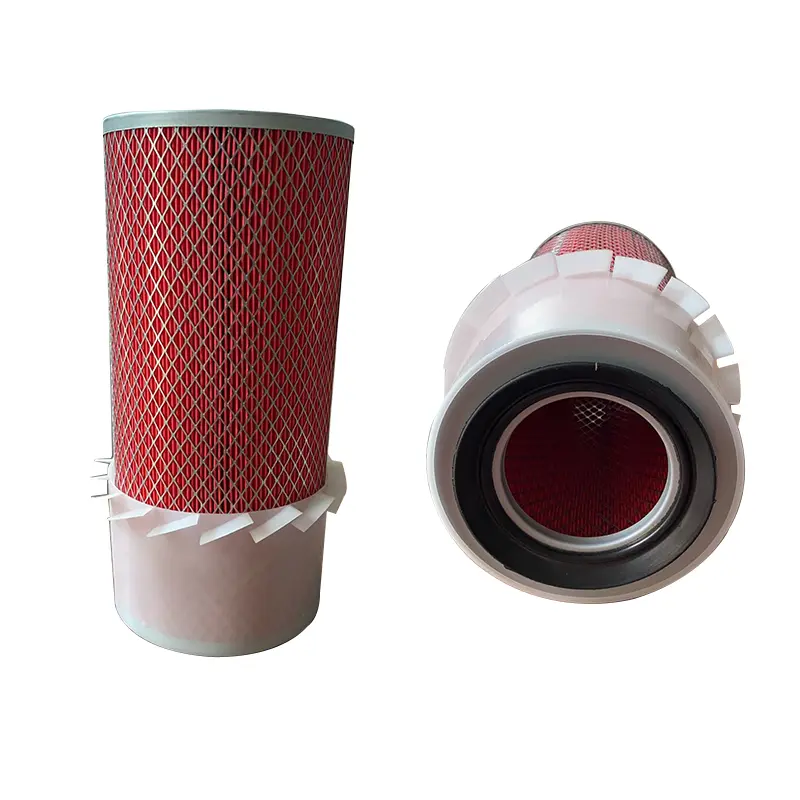 AIR FILTER