Top 10 Essential Engine Accessories Filters for Global Buyers?
In the automotive industry, the importance of Engine Accessories Filters cannot be overstated. Reports from Statista suggest that the global automotive filter market is projected to reach USD 32 billion by 2026, with engine filters accounting for a significant share. These filters play a crucial role in maintaining engine efficiency and longevity.
Proper filtration can enhance performance and reduce emissions, making Engine Accessories Filters vital for both manufacturers and consumers. However, many buyers still face challenges in selecting the right products. With so many options available, understanding the specifications and benefits of each filter type becomes essential.
In a world where potential buyers are often inundated with choices, the need for reliable information is crucial. Misleading product claims and varying quality standards create frustration. By focusing on the top 10 essential Engine Accessories Filters, this guide aims to equip global buyers with the knowledge they need to make informed decisions.

Understanding the Importance of Engine Accessories in Automotive Performance
Engine accessories play a crucial role in enhancing automotive performance. Filters, in particular, are essential for maintaining engine health. They prevent contaminants from entering the engine, ensuring smooth operation. Neglecting these components can lead to severe damage and costly repairs. Regular checks can catch issues early.
Choosing the right filters can be overwhelming. Different engines require specific types. Compatibility is key for optimal function. Investing in quality filters enhances longevity and efficiency. Look for options that are easy to replace and maintain. Proper installation can significantly affect performance, so it's worth reading manuals and guidelines.
Tip: Always keep an eye on your filter's condition. Dirty or clogged filters can decrease performance. This is often overlooked. Sometimes, taking a moment to inspect can save money down the road. Don't wait for warning signs; be proactive about maintenance.
Top 10 Essential Engine Accessories Filters
This chart illustrates the importance and impact of various engine accessory filters on automotive performance. Each accessory plays a critical role in ensuring optimal engine operation.
Key Features to Consider When Choosing Engine Filters
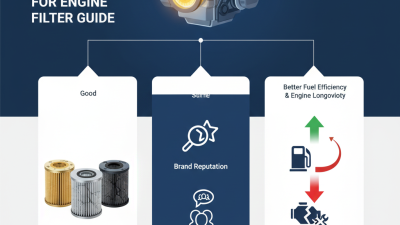
When choosing engine filters, several key features are vital.
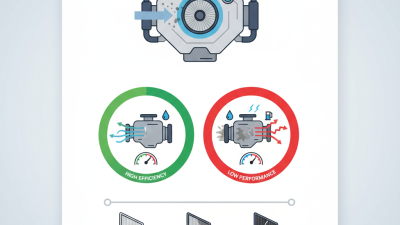
Filter efficiency is crucial for maintaining engine health. High-quality filters capture dirt and contaminants effectively.
Pay attention to the filter type as well.
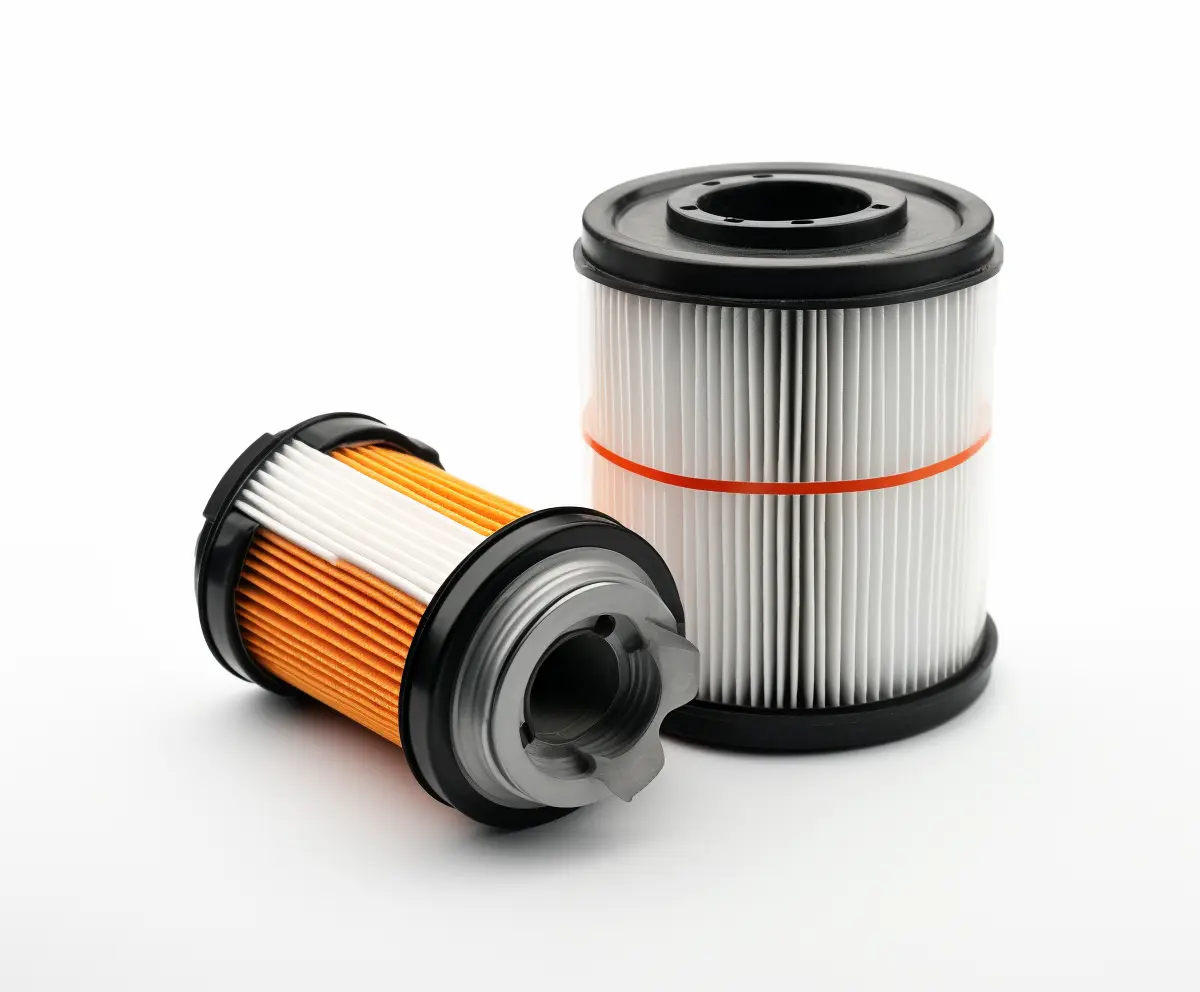
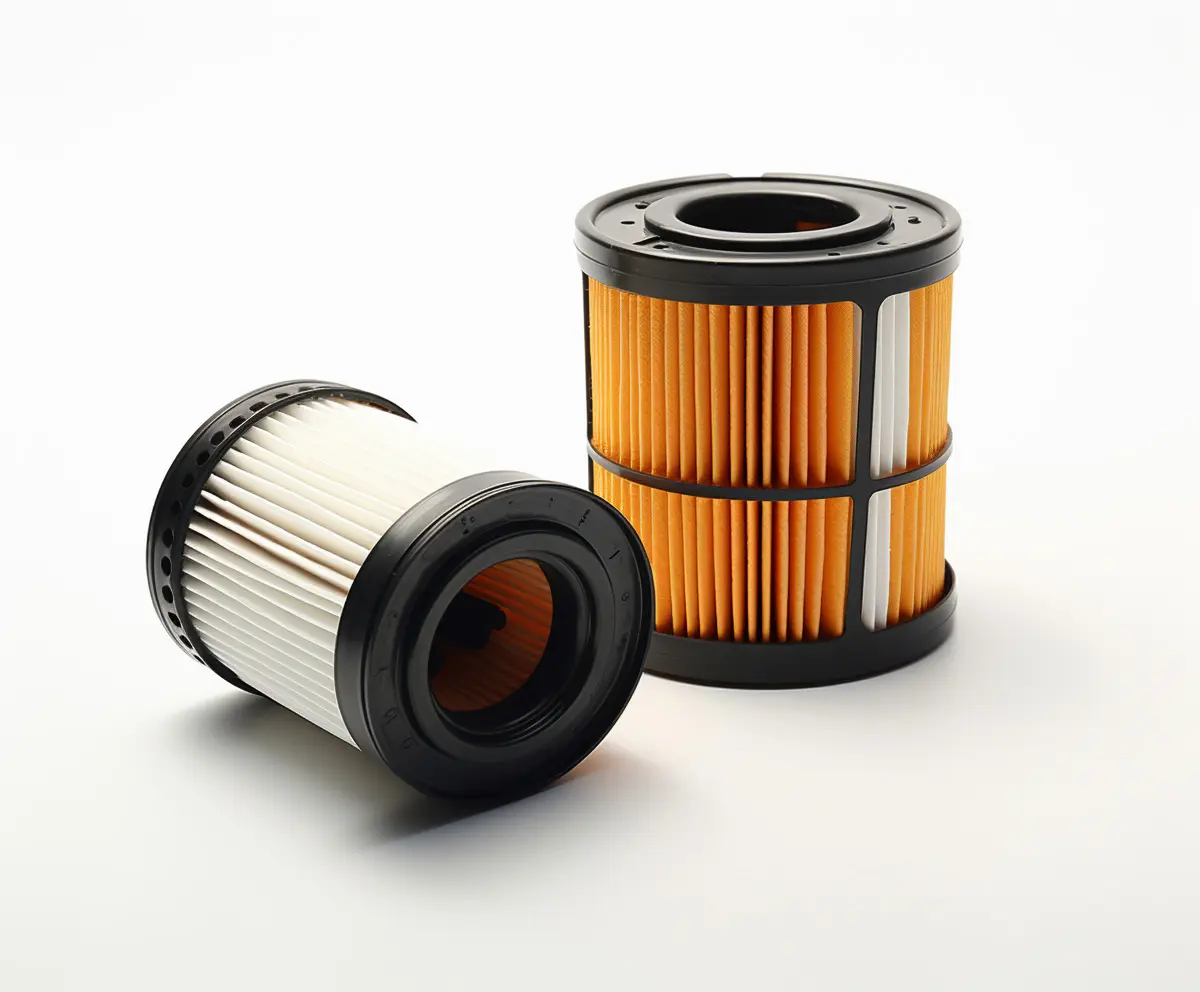
There are oil filters, air filters, and fuel filters, each serving a unique purpose.
A well-designed oil filter can extend engine life significantly.
Another important aspect is the material of the filter. Some filters use synthetic materials for better durability.
These often withstand extreme temperatures and harsh conditions. Moreover, gauge the filter's installation process.
A user-friendly design saves time and reduces the chance of errors during replacement.
Complex filters can lead to improper fitting.
But remember, not every filter on the market meets stringent quality standards.
Some may offer low prices but compromise on performance.
Researching specifications is essential. User reviews can help identify reliable options as well.
Look for characteristics like longevity and performance ratings in real-world scenarios.
Understanding these factors can guide you toward making a better choice.
Top 10 Essential Engine Filters for Different Vehicle Types
When it comes to engine filters, different vehicle types require specific accessories for optimal performance. For passenger cars, oil, air, and fuel filters are crucial. These components ensure smooth engine operation and reduce potential damage. A study shows that regular filter maintenance can improve fuel efficiency by up to 10%. This point emphasizes the importance of selecting high-quality filters.
For heavy-duty trucks and buses, the needs expand. Diesel fuel filters are vital due to the composition of the fuel. These filters prevent harmful contaminants from reaching the engine. According to industry reports, up to 80% of engine wear can be traced back to inadequate filtration. Regular replacement and maintenance of these filters can significantly extend engine life, making them essential for fleet operators.
In newer models, cab air filters also play a significant role. They enhance interior air quality, filtering out allergens and pollutants. Forgetting to replace these can lead to health issues for occupants. On average, these filters should be changed every 12,000 miles. Vehicle manufacturers often recommend specific filtration intervals, but many users overlook this, jeopardizing both health and engine performance. Understanding these aspects can lead to better engine longevity and overall vehicle satisfaction.
Top 10 Essential Engine Accessories Filters for Global Buyers
| Filter Type |
Application |
Material |
Lifespan (miles) |
Typical Replacement Interval (months) |
| Oil Filter |
Passenger Vehicles |
Paper/Metal |
5,000 - 15,000 |
6 |
| Air Filter |
All Vehicles |
Acrylic/Paper |
15,000 - 30,000 |
12 |
| Fuel Filter |
Gasoline Vehicles |
Carbon/Metal |
15,000 - 30,000 |
12-24 |
| Cabin Air Filter |
Passenger Vehicles |
HEPA/Polyester |
12,000 - 30,000 |
6-12 |
| Transmission Filter |
Automatic Transmission Vehicles |
Paper/Metal |
30,000 - 50,000 |
24 |
| Differential Fluid Filter |
4WD Vehicles |
Paper/Metal |
50,000 |
36 |
| PCV Filter |
All Vehicles |
Plastic/Metal |
40,000 |
24 |
| Intake Air Filter |
Performance Vehicles |
Foam/Paper |
10,000 - 20,000 |
6-12 |
| Screen Filter |
Heavy-Duty Vehicles |
Metal |
70,000 |
36 |
Comparative Analysis of Popular Engine Filter Brands
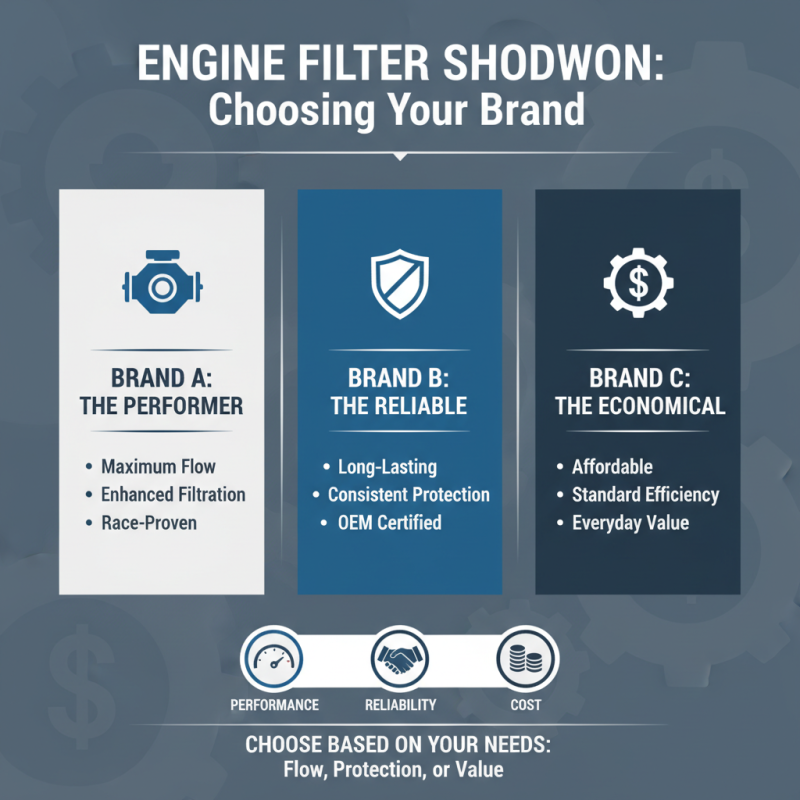
When choosing engine filters, buyers often consider performance, reliability, and cost. Popular filter brands provide a variety of options, which can be overwhelming. Each brand offers unique features that may appeal to different users. It is essential to understand what each filter does and how it performs in various conditions.
A recent analysis highlighted several key components. Some filters excel in oil filtration, while others focus on air or fuel systems. The materials used in construction impact durability and efficiency. For instance, some brands use advanced synthetic fibers, enhancing filtration capability. Cost efficiency is crucial too. A higher price does not always equate to superior quality.
Buyers should reflect on their needs. Do they prioritize filter longevity or affordability? Some filters may require frequent replacement, increasing overall costs. Additionally, compatibility with specific engine types affects choices. Understanding these factors can guide users to more informed decisions. Researching user reviews can also provide insights into real-world performance—an essential step before purchasing.
Maintenance Tips for Prolonging the Life of Engine Filters
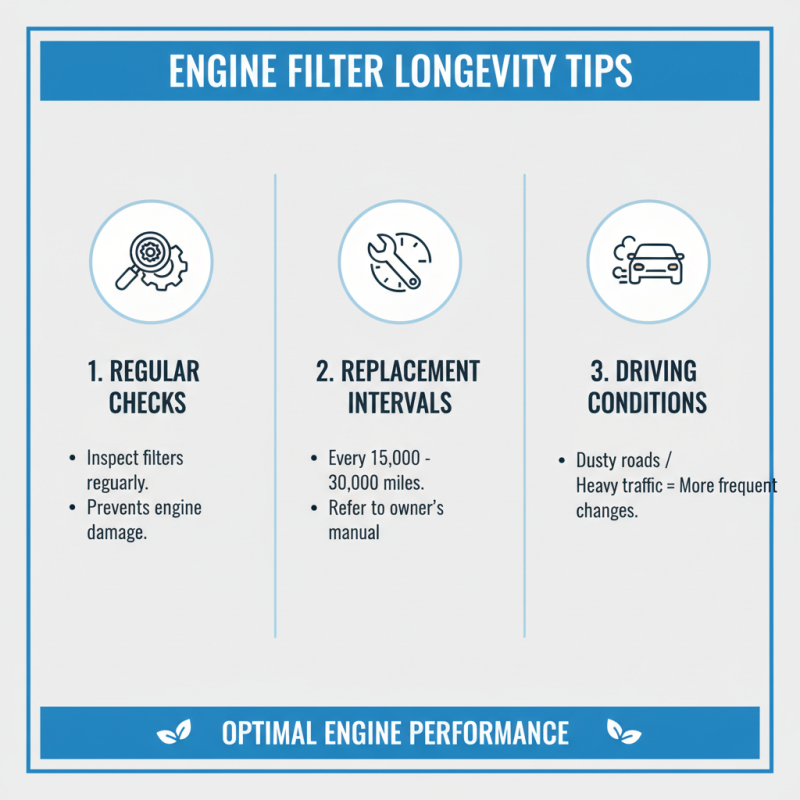
Maintaining engine filters is vital for optimal engine performance. Regular inspection and replacement of filters can help prevent engine damage. Most filters need replacement every 15,000 to 30,000 miles. However, driving conditions play a significant role. Dusty roads and heavy traffic may require more frequent changes.
Cleaning air filters is a good practice. A clean filter allows better airflow, enhancing engine efficiency. It's important to follow manufacturer guidelines for cleaning. Some filters may be reusable, while others should be replaced. Always check for tears or warping to ensure effectiveness.
Fuel filters also deserve attention. If a vehicle struggles to start or shows poor acceleration, it could be a sign of a clogged fuel filter. Inspect fuel filters periodically and replace them if necessary. Using high-quality fuel can reduce deposits and extend filter life. Don't overlook the importance of regular maintenance; it can save you from costly repairs down the line.

 Products
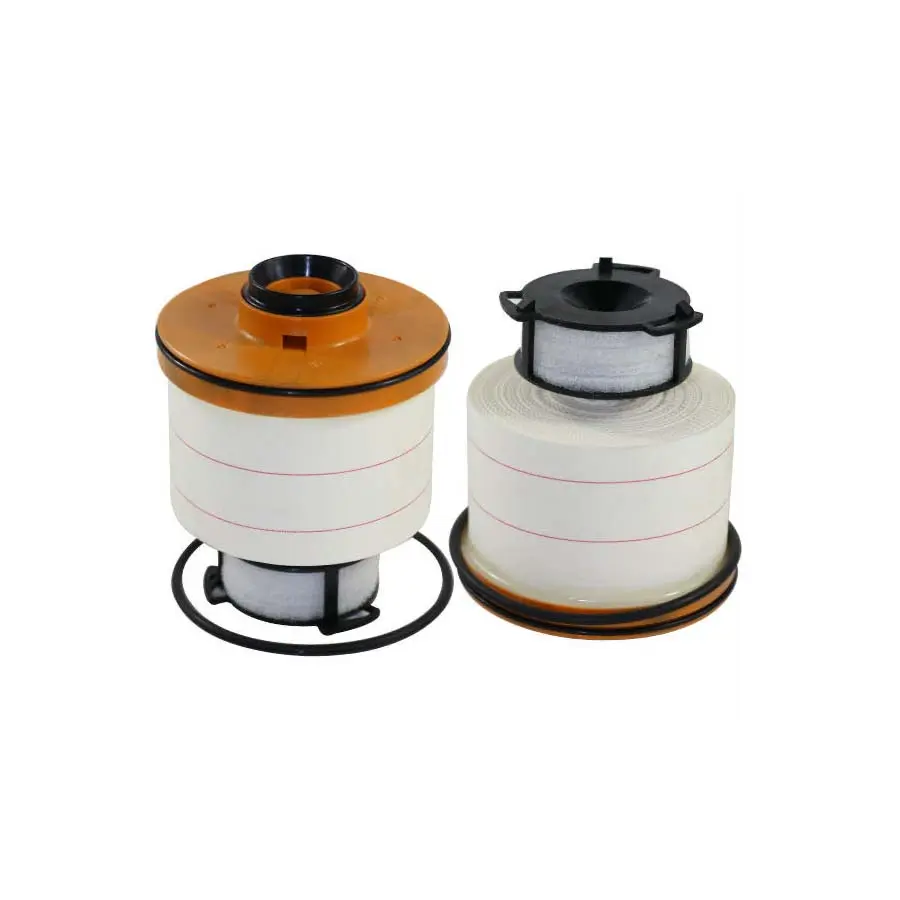 FUEL FILTER
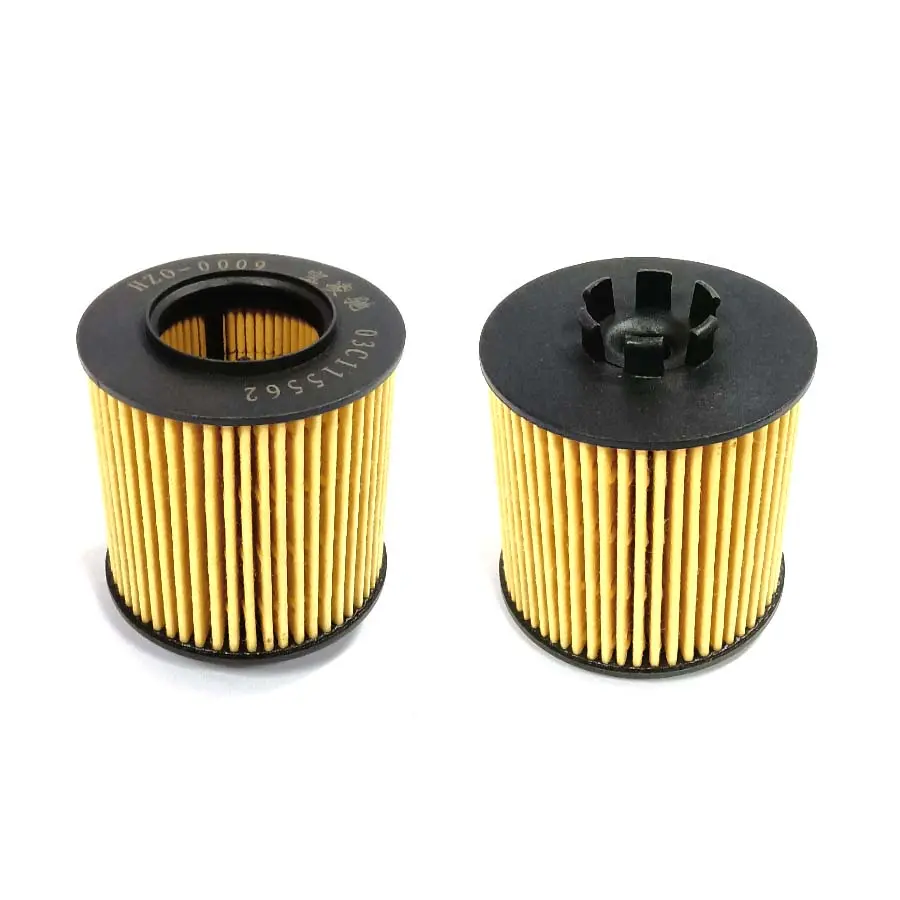 OIL ELEMENT FILTER
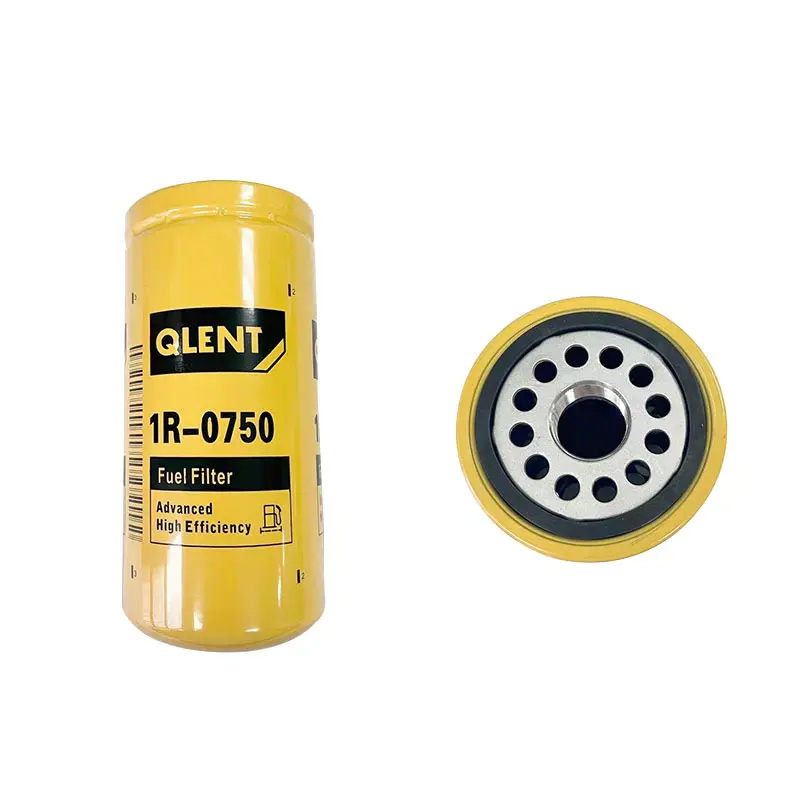 OIL FILTER
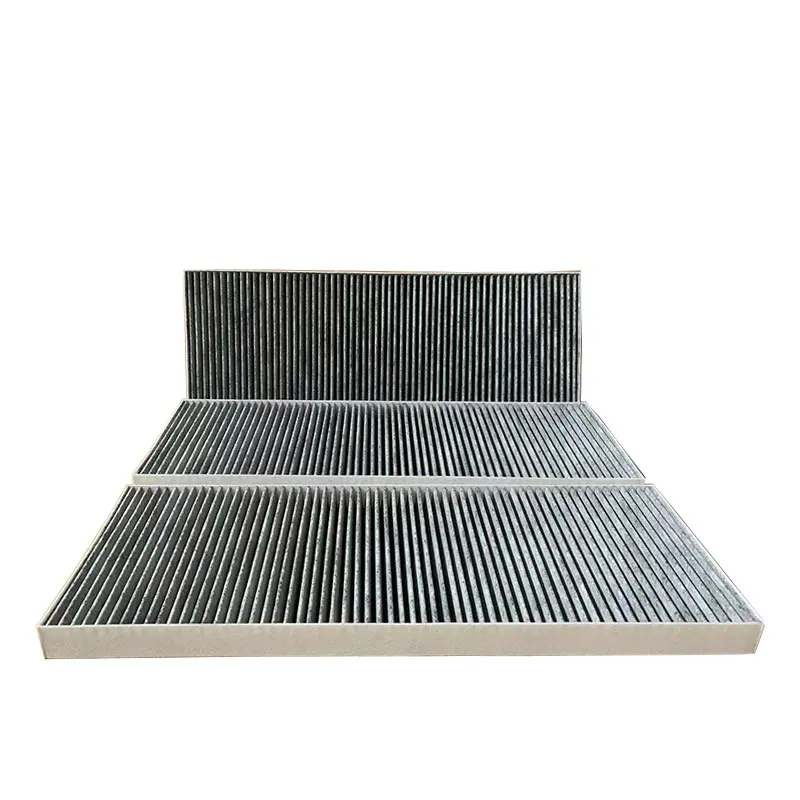 CABIN FILTER
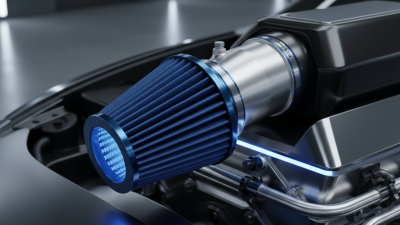
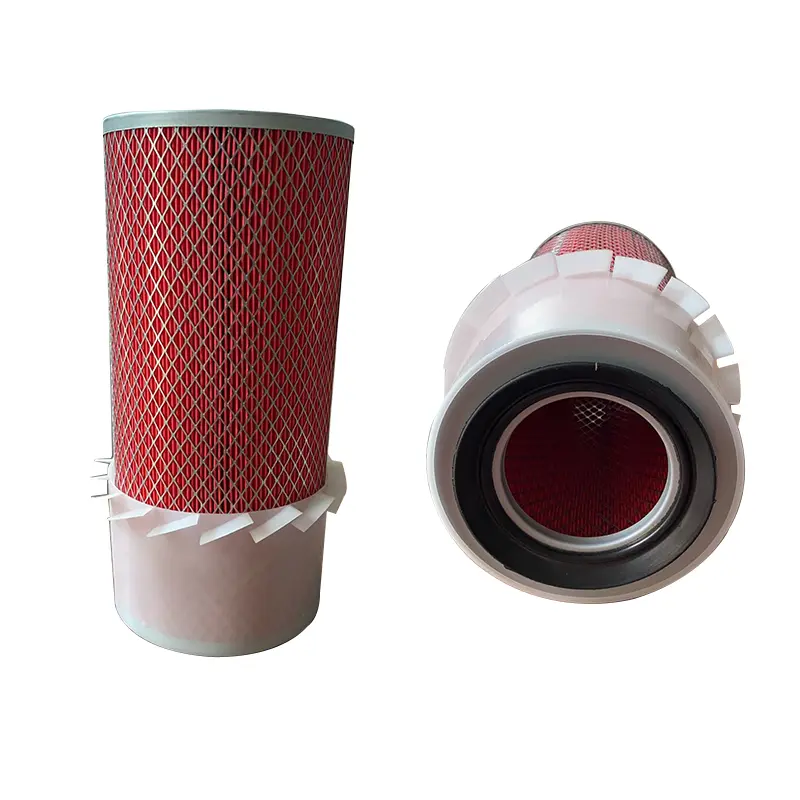 AIR FILTER