Top Air Filter Buying Guide for Effective Air Quality Solutions?
When it comes to maintaining indoor air quality, the role of air filters cannot be overstated. According to the Environmental Protection Agency (EPA), indoor air can be two to five times more polluted than outdoor air. This alarming statistic highlights the critical need for effective air filtration solutions. Industry expert Dr. Emily Grant states, "Choosing the right air filter can significantly reduce airborne pollutants and allergens."
In the search for better air quality, understanding types of air filters is essential. Options like HEPA, activated carbon, and electrostatic filters each have unique features. Market reports suggest that HEPA filters capture 99.97% of particles, making them a popular choice for allergy sufferers. However, some people may overlook the importance of regular filter replacement. Neglected filters can create more harm than good, circulating dust and pathogens back into the air.
Air filters are not a one-size-fits-all solution. Individual needs may vary based on lifestyle, location, and specific health concerns. Exploring these differences can lead to more informed decisions. The right air filter can enhance health and well-being, but it requires thoughtful consideration and ongoing maintenance.
Types of Air Filters: A Comprehensive Overview
Air filters play a crucial role in maintaining indoor air quality. Understanding the different types of air filters can guide consumers in making informed choices. The American Lung Association emphasizes that indoor air can be five times more polluted than outdoor air. High-efficiency particulate air (HEPA) filters excel in trapping 99.97% of particles as small as 0.3 microns, making them highly effective for allergies.
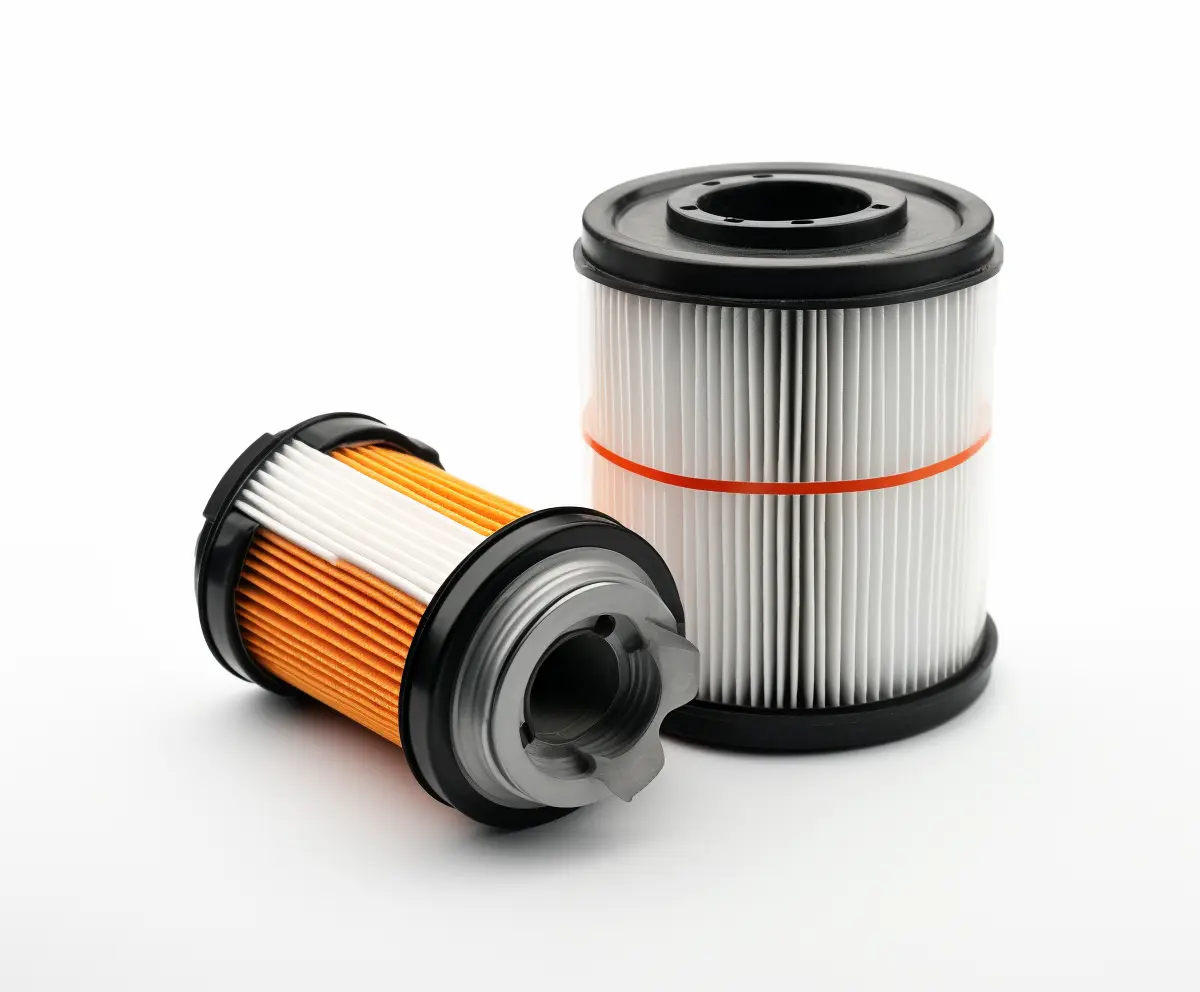
When considering options, pleated filters are another popular choice. They are designed with a larger surface area, enhancing airflow and overall efficiency. According to the Environmental Protection Agency, poor air quality can lead to respiratory issues over time, underscoring the importance of adequate filtration.
Tips: Regularly replace filters, ideally every 3 months. This ensures optimal performance and air quality. Choosing the right filter type depends on specific needs, such as allergens or pets. Be mindful that many filters may look similar but do not offer the same level of effectiveness. Consider testing different types to find what works best for your environment.
Air Filter Efficiency Comparison
Key Features to Consider When Buying Air Filters
When selecting air filters, consider several key features that directly impact air quality. The MERV rating, which ranges from 1 to 20, assesses a filter’s ability to trap particles. Filters with a MERV rating of 11 or higher can capture dust, pollen, and mold spores effectively, according to the American Lung Association. This is crucial for maintaining healthy indoor air.
Another vital aspect is the filter type. HEPA filters are known for their exceptional performance. They can trap at least 99.97% of particles that are 0.3 microns in size. This efficiency is particularly important for allergy sufferers. Additionally, carbon filters are effective at removing odors and harmful gases. Combining these types offers comprehensive protection.
Tip: Regularly check and replace your filters. Clogged filters can decrease efficiency by 15% or more, according to industry research.
Consider the size of the filter as well. Ensure it fits your HVAC system properly. An ill-fitting filter can lead to air leaks and decreased filtration effectiveness.
Tip: Keep a note of the dimensions and always double-check before buying.
Lastly, be aware of the filter’s lifespan. Some filters need replacing every three months, while others can last six months or longer. This variability can impact both performance and budget.
How to Determine the Right Air Filter for Your Home
Choosing the right air filter for your home can be a daunting task. First, assess the specific needs of your household. Consider factors like allergies, pets, and air quality. Each family has different requirements, which affects filter choice. Proper research can lead to informed decisions.
Understanding filter ratings is crucial. MERV ratings measure a filter’s effectiveness. A higher MERV rating means better filtration of small particles. However, a filter that’s too dense can restrict airflow, hurting HVAC efficiency. Balance is key. Filters should capture allergens without overworking your system.
Additionally, think about maintenance. Regularly replacing filters ensures optimal performance. Sometimes, homeowners forget about their filters until problems arise. Setting reminders can help maintain air quality. Every choice impacts your home’s environment, so take your time to explore available options thoroughly.
Understanding MERV Ratings and Their Importance
Understanding MERV ratings is crucial for effective air quality solutions. MERV stands for Minimum Efficiency Reporting Value. It measures the effectiveness of air filters in trapping airborne particles. Filters with higher MERV ratings can capture smaller particles.
Filters rated between 1 and 4 capture large particles like dust and pollen. Ratings of 5 to 8 cover smaller particles like mold spores and pet dander. Higher ratings, from 9 to 12, trap fine particles, including smoke and bacteria. A study by the Environmental Protection Agency highlights that improving air filtration can reduce indoor air pollutants by up to 50%.
However, choosing a filter isn't just about MERV ratings. High-rated filters can restrict airflow, affecting HVAC efficiency. It's important to balance filtration needs with system capabilities. Not every system can accommodate high-MERV filters. Regularly assessing filter performance is also vital. Over time, filters can become clogged and less effective.
Maintenance Tips for Prolonging Air Filter Lifespan
Maintaining air filters is crucial for efficient air quality. Regular cleaning can extend their lifespan significantly. For washable filters, gentle cleaning with soap and water works well. Avoid harsh chemicals that might damage the material. It’s important to let them dry completely before reinstalling. This helps prevent mold growth and maintains airflow efficiency.
For disposable filters, check them monthly. A clogged filter can negate its purpose. Change filters as per the recommended schedule, typically every three months. However, high dust levels may require more frequent replacements. Store spare filters in a cool, dry place to ensure they remain effective when needed.
Sometimes, filters can be overlooked until they cause issues. For better air quality, remember to run your HVAC system regularly. This practice keeps filters in motion and minimizes dust accumulation. Monitor the airflow in your space; reduced airflow can signal a blockage. Simple maintenance steps can lead to improved indoor air quality and a healthier living environment.

 Products
 FUEL FILTER
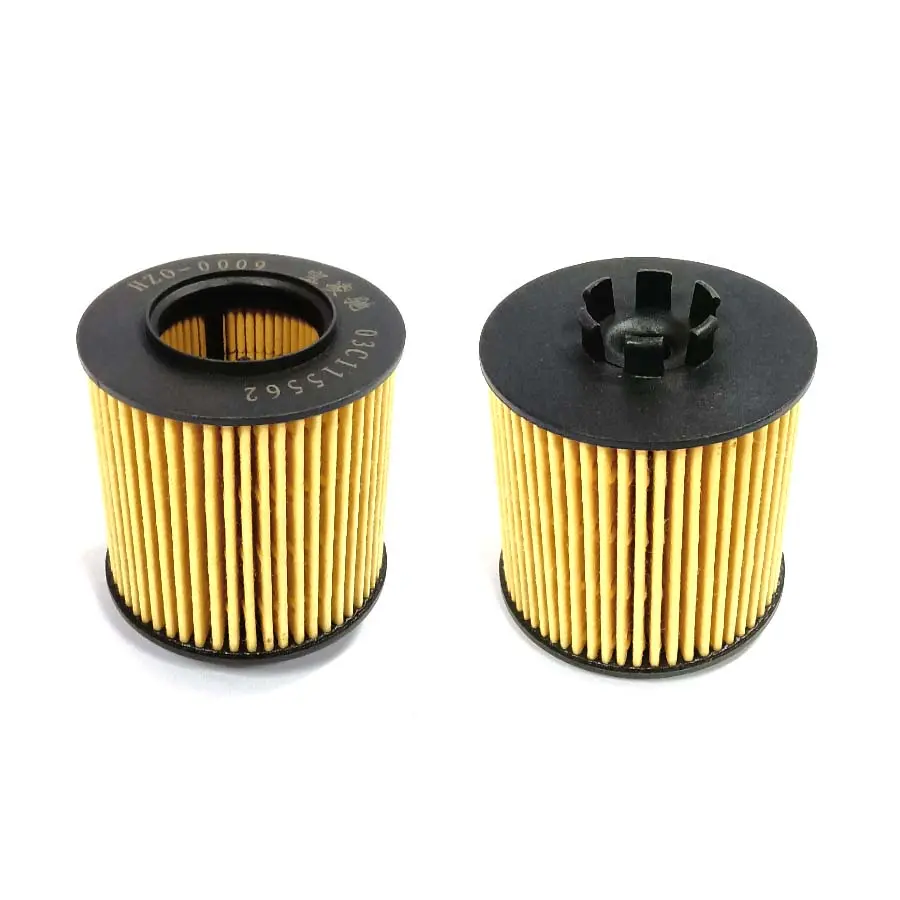 OIL ELEMENT FILTER
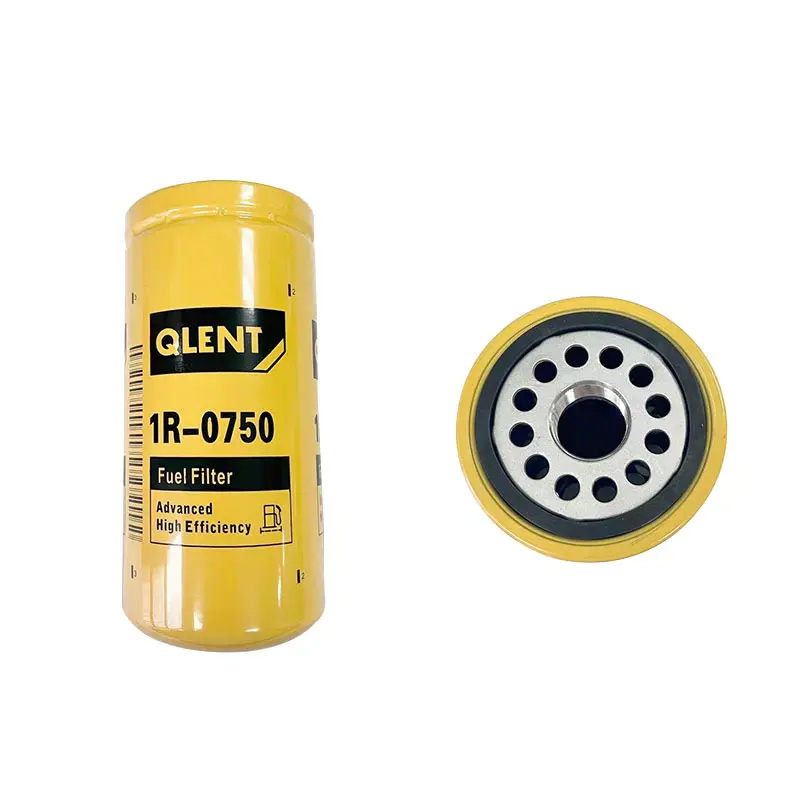 OIL FILTER
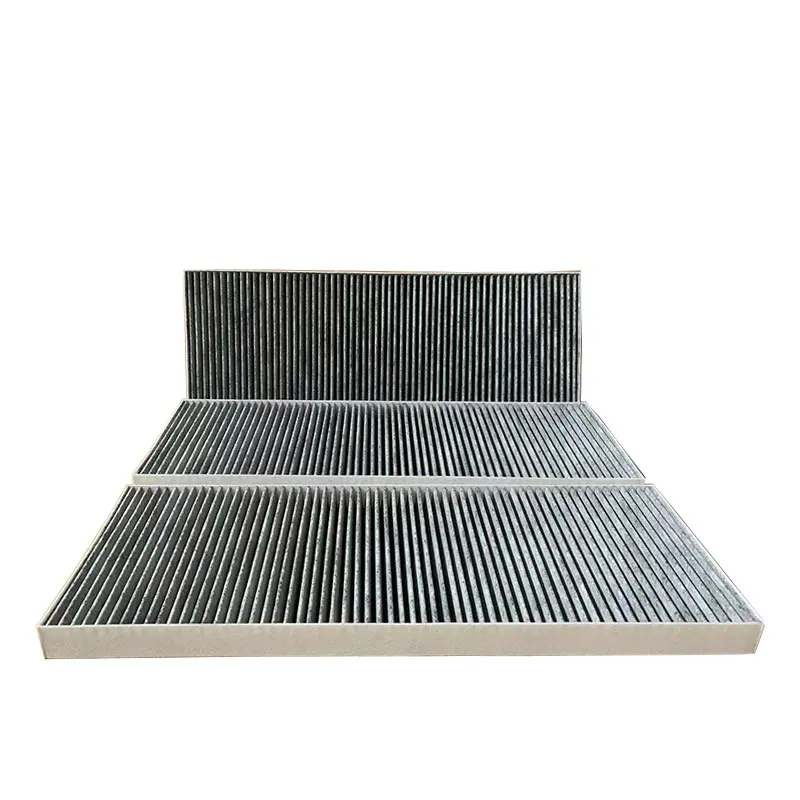 CABIN FILTER
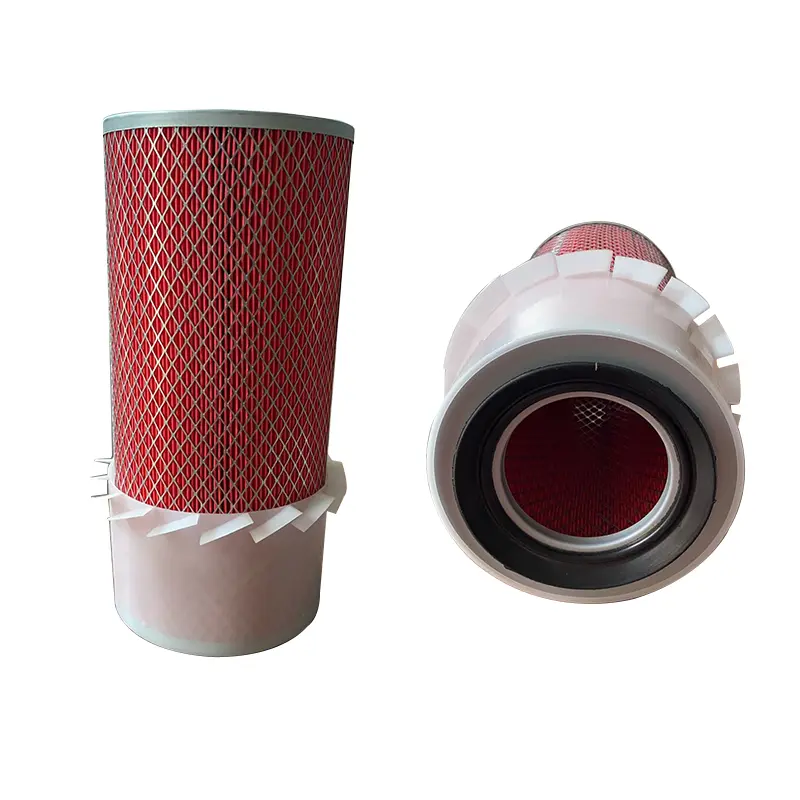 AIR FILTER